The Tomb of Emperor Qianlong and Emperor Huaisheng (Huang Taiji) in Shenyang, a World Heritage Site
As one of the most important cities in Northeast China, Shenyang is often seen as an industrial base and not a popular tourist destination, its appeal is not as strong as that of its sibling coastal cities like Dalian. In fact, Shenyang boasts a very rich historical background, especially significant historical events from the early Qing Dynasty took place here, resulting in the preservation of many historical sites, some of which are even listed as World Heritage Sites. Of Shenyang's three World Heritage sites, one is the Shenyang Imperial Palace located in the city center, and the other two are the tombs of two emperors.
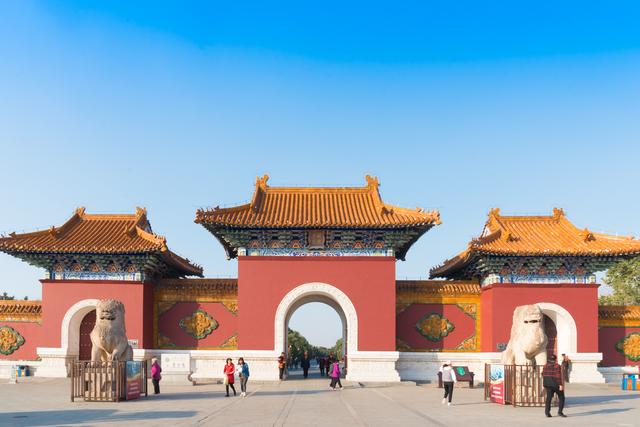
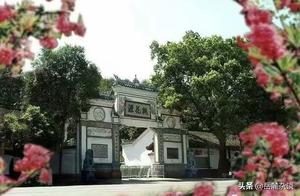
When talking about the Ching Mausoleum in Shenyang, many people may not know where it is, but once they hear 'North Mausoleum Park', they'll immediately know. The Ching Mausoleum is located within North Mausoleum Park, which is the tomb of the second emperor of the Qing Dynasty, Emperor Huaisheng (Huang Taiji). North Mausoleum Park is the largest park in Shenyang, covering an area of 330 square kilometers – even larger than the four Beijing Imperial Palaces, making it a popular weekend destination for many Shenyang residents. From the main gate of North Mausoleum Park, you'll walk straight to the Ching Mausoleum.
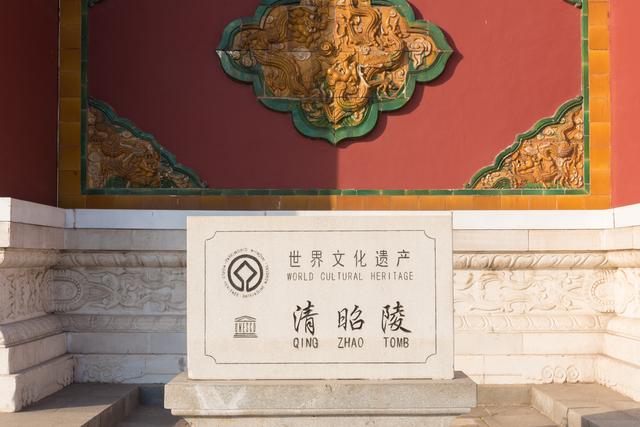
The Ching Mausoleum is a separate admission fee and is not included in the North Mausoleum Park ticket. The Ching Mausoleum was listed as a World Heritage Site in 2004, alongside the Ming Thirteen Tombs in Beijing and the Qing Tombs in Hebei (Qingdongting and Qingxiting), representing the Ming and Qing imperial tombs. Unlike most imperial tombs, the Ching Mausoleum is located in the city center, with convenient transportation and more visitors.

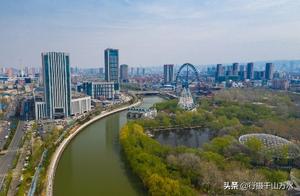
North Mausoleum Park is a typical urban park with vast green spaces and lakes, developing various recreational projects and holding many memories for Shenyang residents' childhood. In 1927, the Ching Mausoleum was designated as a park, named after its location in the northern part of the city, while the Ching Mausoleum within North Mausoleum Park dates back to 1643, the year of the death of the Qing Emperor, the Great Qing Emperor (Tai Zu Huang Taiji).
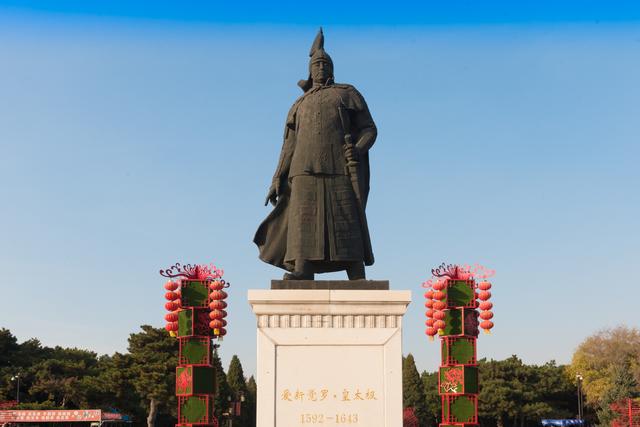
Inside the park, there is a statue of Emperor Huaisheng. Emperor Huaisheng was the eighth son of the Qing Great Qing Emperor (Tai Zu Huang Taiji), and it was through him that 'Beihang' () was changed to 'Great Qing', marking the formal establishment of the Qing Dynasty, which lasted until 1912 when the Qing Emperor abdicated, bringing the end of the Qing Dynasty.
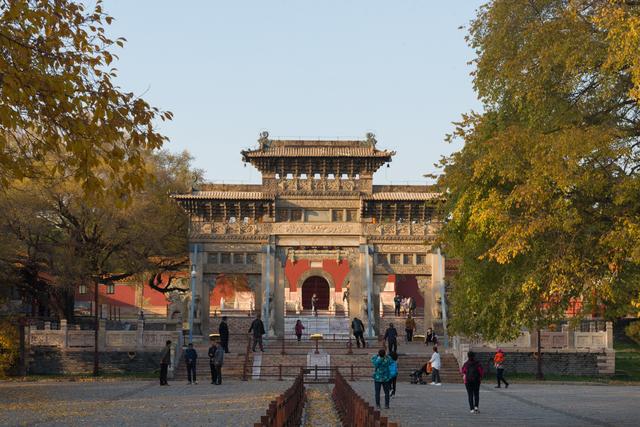
The tomb of Emperor Huaisheng and his consort, Bolju Bitugeer, is grand in scale and represents one of the most representative imperial tombs outside the country, and one of the best-preserved ancient imperial tombs. Construction of the Ching Mausoleum began in 1643 and was completed in 1651, taking eight years. Later emperors continued to build and renovate, expanding and elaborating the tomb.
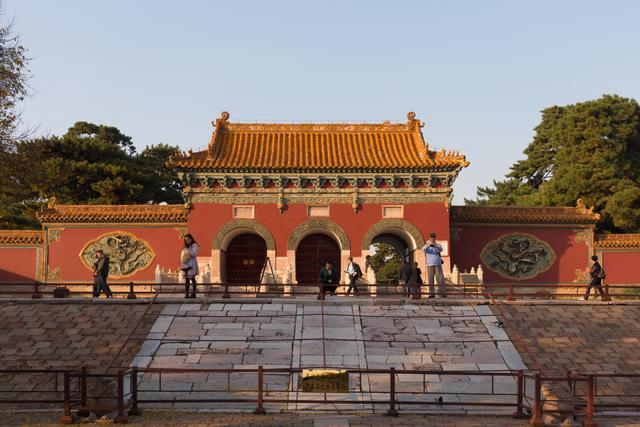
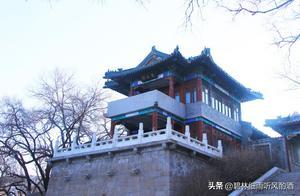
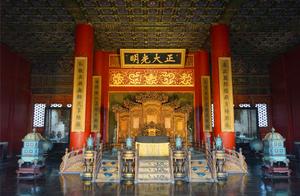
The gates and walls of the Ching Mausoleum have a red exterior and yellow glazed tiles, similar in scale to those of the Beijing and Shenyang Imperial Palaces, clearly indicating its royal architecture. The Ching Mausoleum is built north-south, divided into front, middle, and rear sections, with symmetrical layouts, and the main buildings are arranged along the central axis to emphasize the majesty of the emperor.
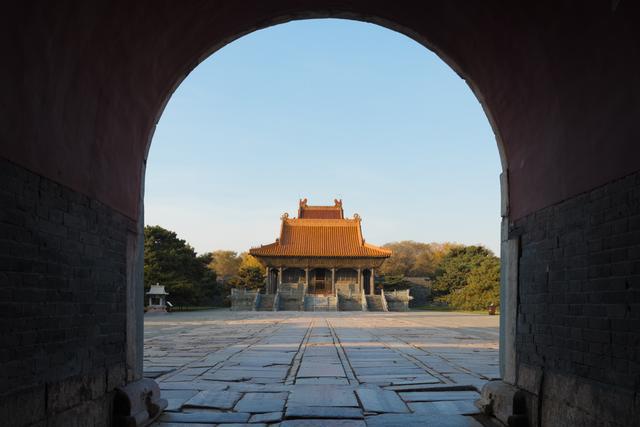
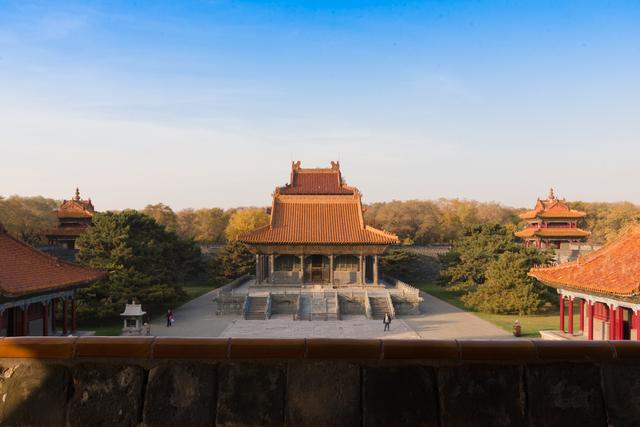
The innermost area of the Ching Mausoleum is the most important – the Long En Hall. This is a large complex of ancient palace-like buildings, with side halls on either side and corner towers, enclosed by a city wall, resembling a miniature city. Continuing further to Bao Cheng is the tomb of Emperor Huaisheng and his consort.
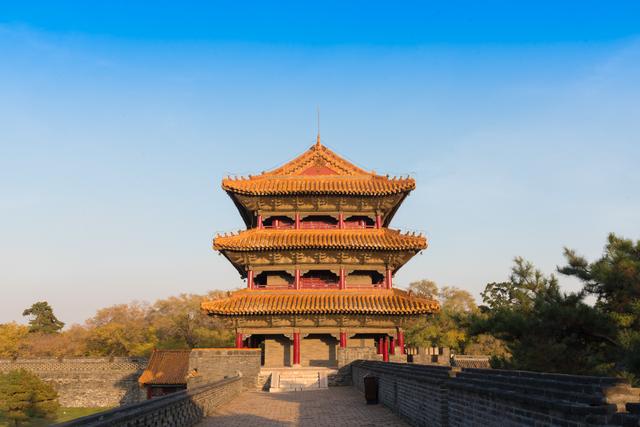
This imperial tomb from the early Qing Dynasty absorbed influences from imperial tombs in the Central Plains while also retaining its ethnic characteristics, skillfully blending diverse cultures, representing the essence of Qing Dynasty architecture.
Due to its location in Shenyang's city center, the Ching Mausoleum is very conveniently located, easily accessible by taking the subway to North Mausoleum Park Station or by bus to North Mausoleum Park or Jinshan Community. For visitors who enjoy history and historical sites, the Ching Mausoleum is a must-visit destination when traveling to Shenyang.