The most memorable impressions of Pyongyang often included its cleanliness, order, and the prevalence of modern architecture.
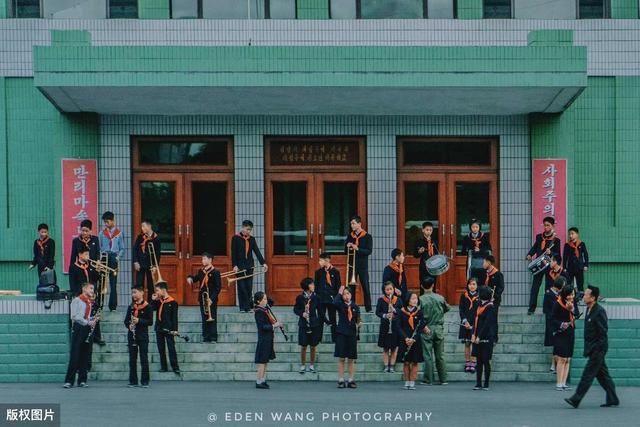
As a seasoned traveler, I was truly surprised to find that the most memorable aspect of North Korea was its cleanliness, order, and the prevalence of modern buildings. This difference from my initial expectations was quite striking, and it felt like a real shock when these sights appeared before my eyes.
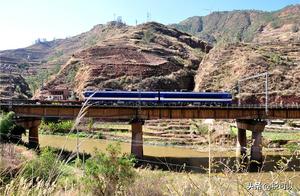
To be honest, when it comes to North Korea, we often perceive it as an old and rustic country. The feeling we experienced as we boarded the train in Sinuiju was essentially consistent – a sense of simplicity. After traveling over 200 kilometers along the train route through rural Korea, we saw a continued sense of authenticity.
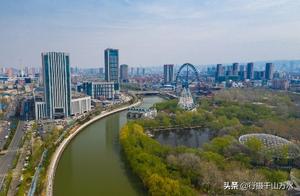
However, as the train passed the Daedong River and entered Pyongyang, a stunning city suddenly emerged, bringing a fresh and vibrant feeling. As the capital of North Korea, Pyongyang is full of energy.
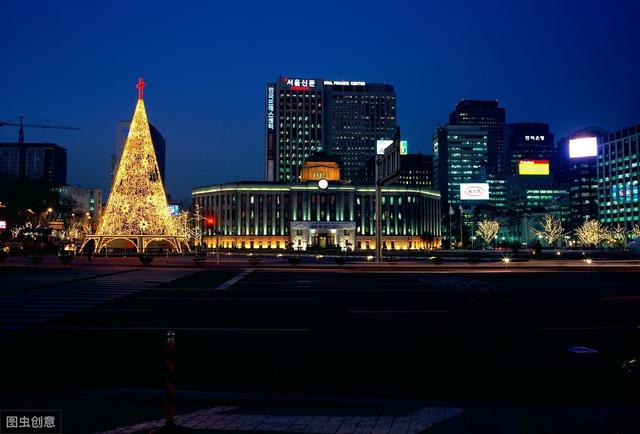
Initially called Pyeongyang, the city was named after the abundance of willow trees. The current tallest building in Pyongyang, the PyoYang Hotel, was built based on this foundation. Pyongyang is divided by the Daedong River, and city development unfolds along the river, gathering the most fashionable symbols.
The guide explained that the most famous area along the Daedong River is the Future Scientist Street, which was completed in 2015. All the apartments were free to Pyongyang Kim Chaek Industrial University professors, divided into 180 and 230 units. It was even better – 24-hour uninterrupted electricity was provided.
At night, Future Scientist Street has Pyongyang's only landscape avenue, with most of the shopping malls catering to foreign tourists. We noticed that almost all the tourists visiting at night were Chinese tourists; we didn't see any locals or Western tourists. Interestingly, even people from different tour groups could meet each other.
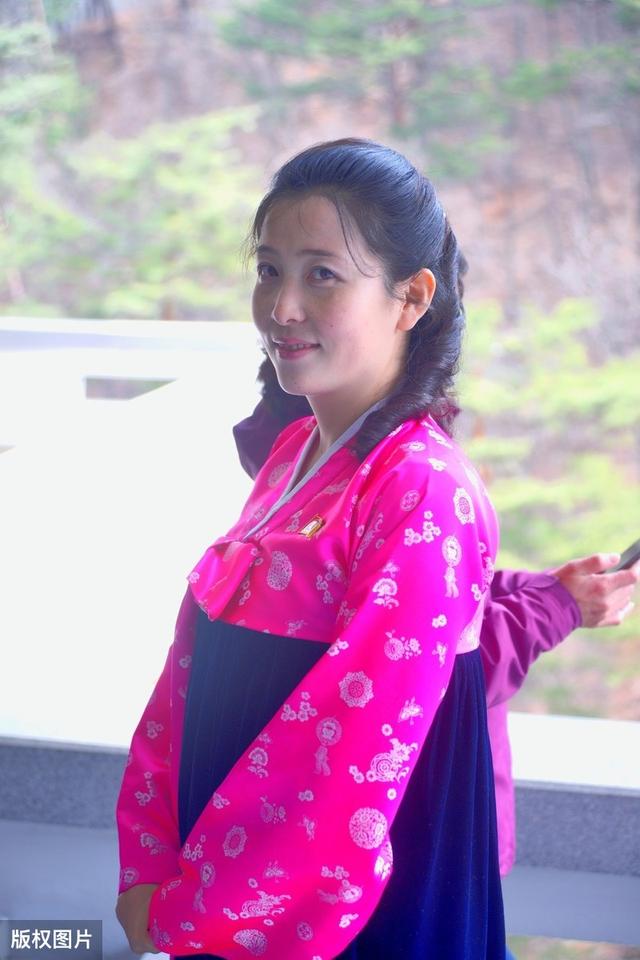
This was our first time traveling to North Korea, and our first close encounter with North Korean people, so we were particularly excited and curious. During the trip, the guide's warm and considerate service was beyond our expectations. They were attentive and caring, running around and speaking softly, without trying to sell us anything.
The guides seemed very satisfied with their lives, proudly stating that Pyongyang's subway was built independently by North Korea, and that Pyongyang's copied Chinese cars were developed by themselves. The North Korean people don't seem to envy their lives.
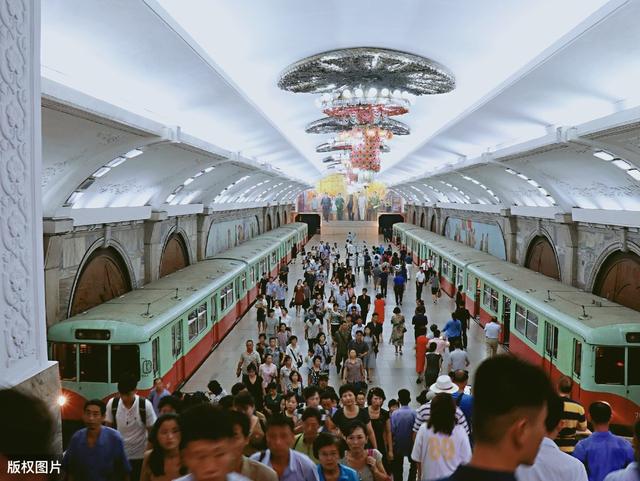
However, when we expressed our desire to explore on our own and interact with local people, the guide immediately refused. When we suggested taking a ride on a local bus, it was also rejected.
However, the guide did take us on a one-station ride on the Pyongyang subway, getting off at the Pukgyeong Station, and we discovered that the subway cars were special and separated from other cars, only for foreign tourists. Local citizens weren't allowed to ride.
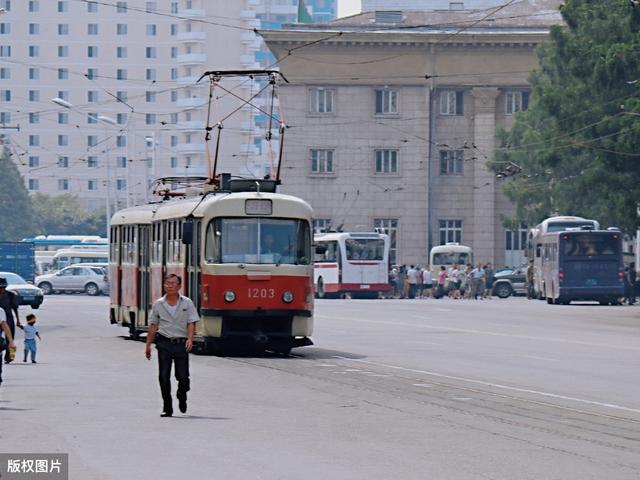
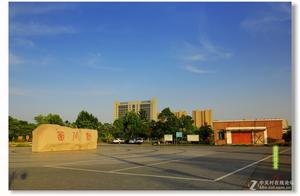
Walking along the streets of Pyongyang, we felt a long-lost sense of brightness and clarity. The roads are wide, with few cars, and the asphalt roads, though cracked, are remarkably clean, without any litter in the cracks.
If you listen carefully, you won't hear loud conversations or aggressive promotional shouts from shops. You won't hear car horns. Instead, you'll hear distant Korean folk songs, and the occasional sound of electric trains passing by and the rumble of train wheels on the tracks. Yes, silence and tranquility were the only themes.
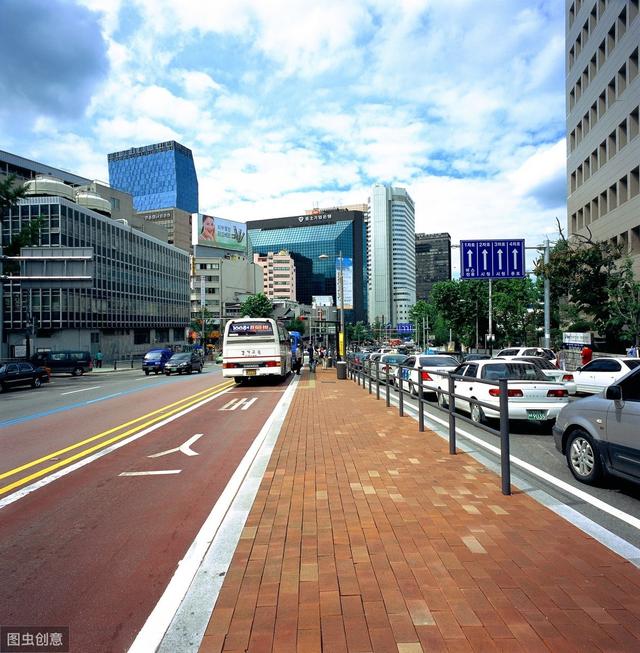
At every crossroads, there were diligent traffic police, each action was standardized and serious faces decorated the entire city, it seems like every detail was orderly. You wouldn't want to dare to cross the street.