Exploring Pyongyang 4: Appreciating the Atmosphere of Pyongyang Train Stations
Pyongyang Station is the central station of Pyongyang, which was put into operation in 1906 with the opening of the Kyongyi Line. Because of the destruction during the Korean War, Pyongyang Station was rebuilt. Prior to the division of Korea, Pyongyang became the capital with the adjustments of the Kyongsam Line and the Kyongyi Line, which were the starting points of the two railways, the Kyongsam Line (to the Sino-Korean border at Sinuiju), and the Kyongyi Line, which nominally ran through South Korea to Busan, but in reality, the end of this railway was on the Sino-Korean border at Gaeseong.
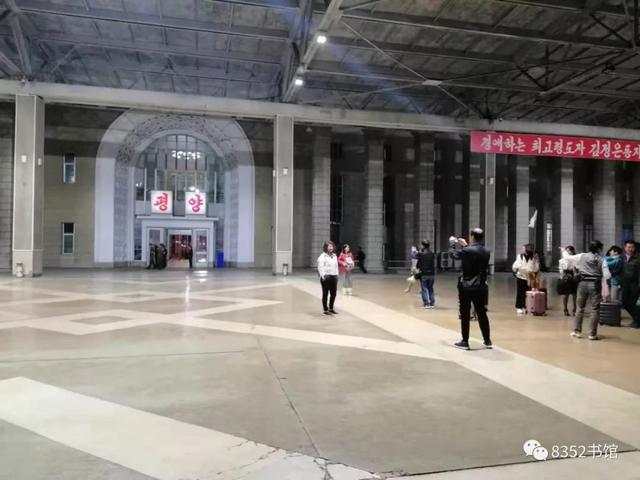
Wide platforms
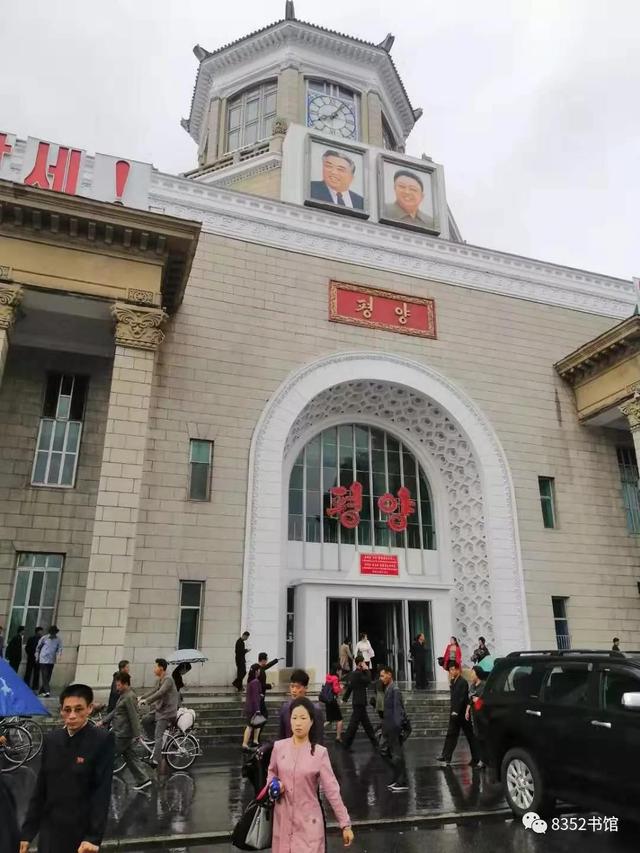
Station main building
It wasn't until we left Pyongyang that I saw the complete station building. Pyongyang Station building is white, four stories high, the first and second floors are stacked in parallel, the front faces have nine square columns with decorative stone, and these two floors are used for waiting areas, ticket sales, and offices. The third floor is an octagonal tower with a large clock with Roman numerals hanging from it, and four copper statues stand on each corner, representing workers, farmers, soldiers, and intellectuals. The fourth floor is an octagonal spire. The station entrance above is adorned with a portrait of the Leader, and on either side are red slogans.
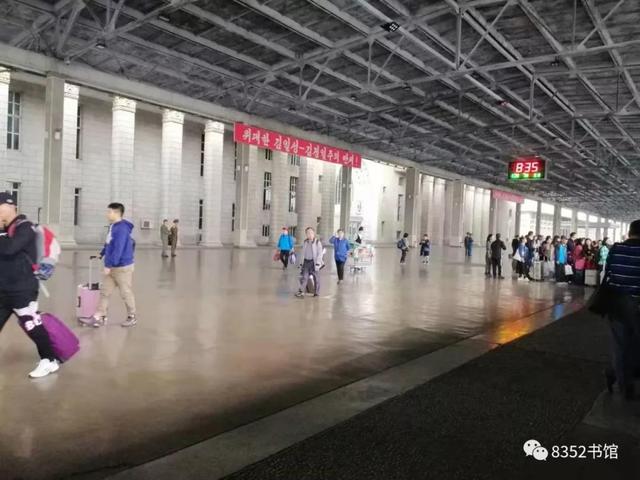
Platforms during the day
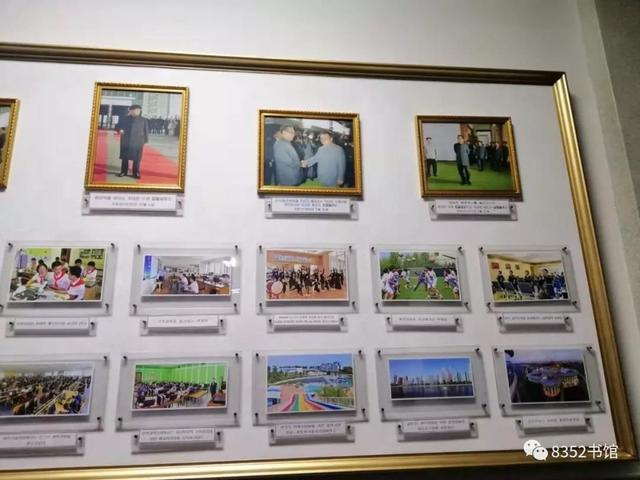
Exhibits inside the station
The square in front of the station is wide and without traffic congestion. A traffic police officer is on duty, and a whistle is blown when trains arrive. There are many taxis in front of the station. On the 7th, I saw that the Korean flags were raised on the flagpoles on either side of the square, and in the center was a large number of party flags, with the party emblem in the middle and the number '10.8' below, which the guide explained, '10 October is the day the Korean people, following the teachings of General Kim, proclaimed Chairman Kim.' In the morning of 10 October, we also saw it in Sinuiju, where men and women presented flowers to the statue of the Leader, showing the Korean people's loyalty and love for the Leader.
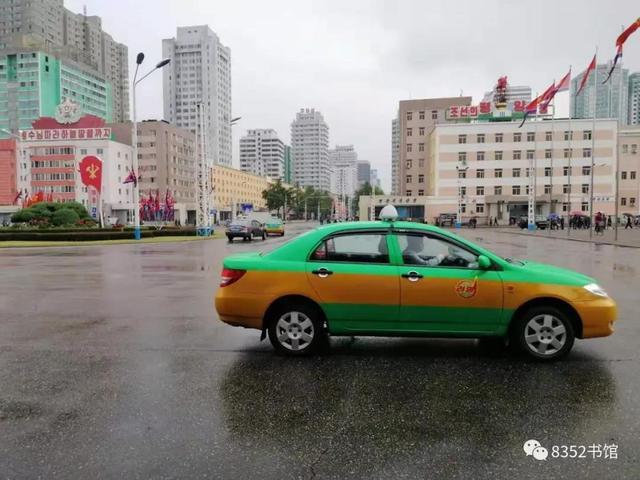
Station Square
Was this article helpful?