Lower Back Pain Muscle Anatomy: Finding the Cause of Pain from Different Actions
Yoga Teachers Must Learn: Lower Back Pain Muscle Anatomy, Find the Pain Cause of Different Actions! Plus Physiotherapy
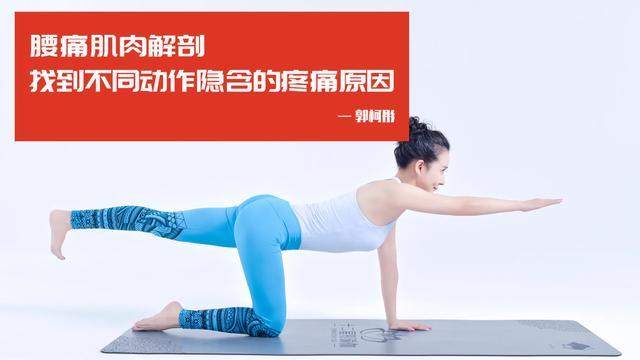
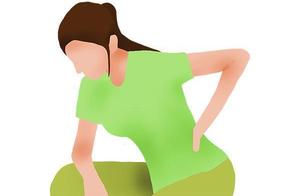
Lower back pain is a common disease. According to statistics, nearly 80% of adults experience lower back pain in their lifetime. The incidence rate is second only to colds! Today, we will analyze lower back pain from a muscle anatomy perspective!
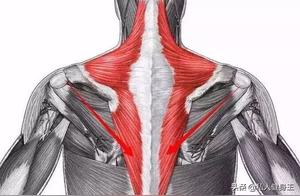
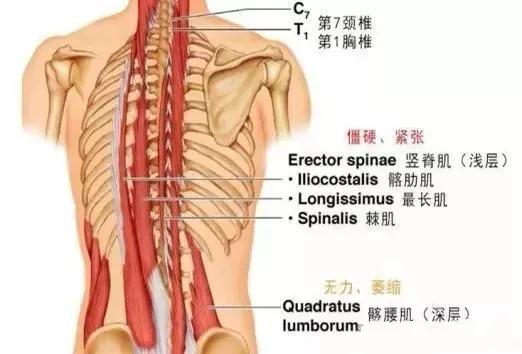
The muscles of the waist include those located in the centerthe stable muscleand those located on the peripherythe movement muscle.
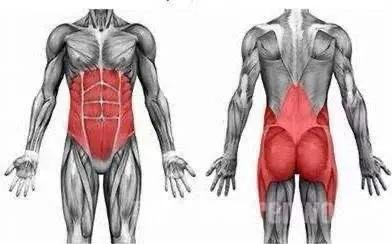
- The stable muscle mainly playsthe role of stabilizing the spinegenerally attached to the vertebrae, the position is relatively deep.
- The movement muscle mainly playsthe role of trunk and limb movementone end attached to the outside of the trunk, the other end attached to the pelvis or limb, to drive the trunk and limb to move, generally the position is relatively shallow.
The two are mutually supportive. The movement muscle needs to move only when the stable muscle is fixed, and the body also needs the movement muscle to complete various actions to adapt to the living environment.
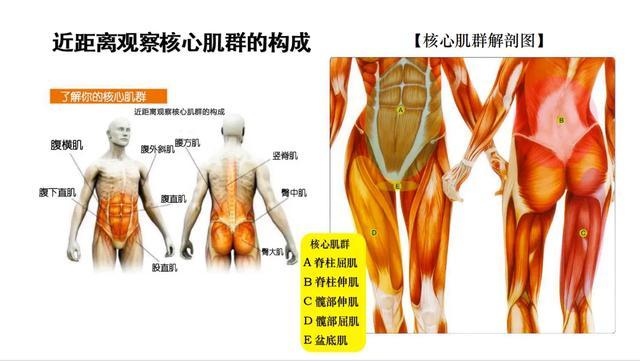
When the core muscle group, such as the core muscles, is weak, the outer movement muscle cannot move in the normal fixed state, on the one hand, it will cause movement trajectory error, and on the other hand, it is easy to cause injury. Because the core muscle is deep and the movement muscle is shallow, it is easy to find the injury of the movement muscle, but not the injury of the core muscle. Even if the movement muscle injury is repaired, it is still working in an unstable state, and the movement muscle will cause injury again. This is the reason why chronic waist pain recurs.
Therefore, it is necessary to pay attention to the training of the core muscle group. When you have waist pain, don't just stare at the pain location, you need to check if the core muscle has any problems!
- 1. When standing bending over with waist and sacrum pain but not pain when sitting bending overit is a problem with the sacrococcygeal joint, because the pelvis is fixed in a sitting position, so it doesn't hurt. If it still hurts, it's a waist problem.2. When the waist and sacrum are painful and cannot sit for a long timeit may be related to the gluteus maximus, because the hip muscles are in a tense state when sitting.
- 3. When sitting doesn't hurt but when standing, it hurts and cannot straighten the waistit may be related to the quadratus lumborum muscle. Because when the waist and the large muscle stretch, it stretches the waist spine forward, affecting the straightness of the waist.4. When turning over, it hurtsit may be related to the quadratus lumborum and the external oblique muscle, because these muscles make the waist rotate, according to the pain location to determine which muscle is caused.
- 5. When lying on the side, it hurts when you don't get up at night and don't get out of bed, the waist hurts and the pain disappears when you get up and moveit may be a change in the lumbar spinal curvature, check through pain and percussion, sometimes at the waist-sacral combination sometimes at the thoracic-waist combination, there are also pain at the third lumbar vertebra and the thoracic-vertebral junction.
6. When waking up in the morning, standing, and moving, it's painful
it may be related to the quadratus lumborum.
7. When waking up in the morning, it hurts when putting on socks
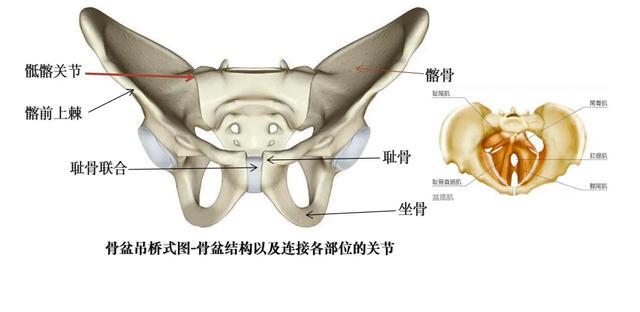
it may be related to the minimus gluteus.
8. For a typical sacral nerve pain person
from waist pain to foot, you can cause nerve root compression in the spinal canal, or because of the quadratus lumborum gap, the quadratus lumborum stimulation can cause pain, or sacrococcygeal joint pain, or external oblique muscle, minimus gluteus, as long as the sacral nerve is stimulated at any point
The above are different ways of treatment, so when
Yoga teachers often ask: 'Teacher, I have waist pain, what should I practice?'
- 'Teacher, I have lumbar disc herniation, what should I practice?'
'Teacher, I suddenly have waist pain, what exercise can relieve it?'
- There is no standard answer and physiotherapy method!
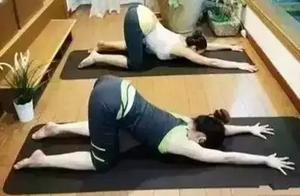
However, the following set of 12 yoga sequences should be practiced frequently, which can not only stretch the lower back and waist, relieve waist pain, but also prevent muscle strain and lumbar disc herniation. Most importantly, the method of practice is simple, and beginners can quickly master it.
- Action 1
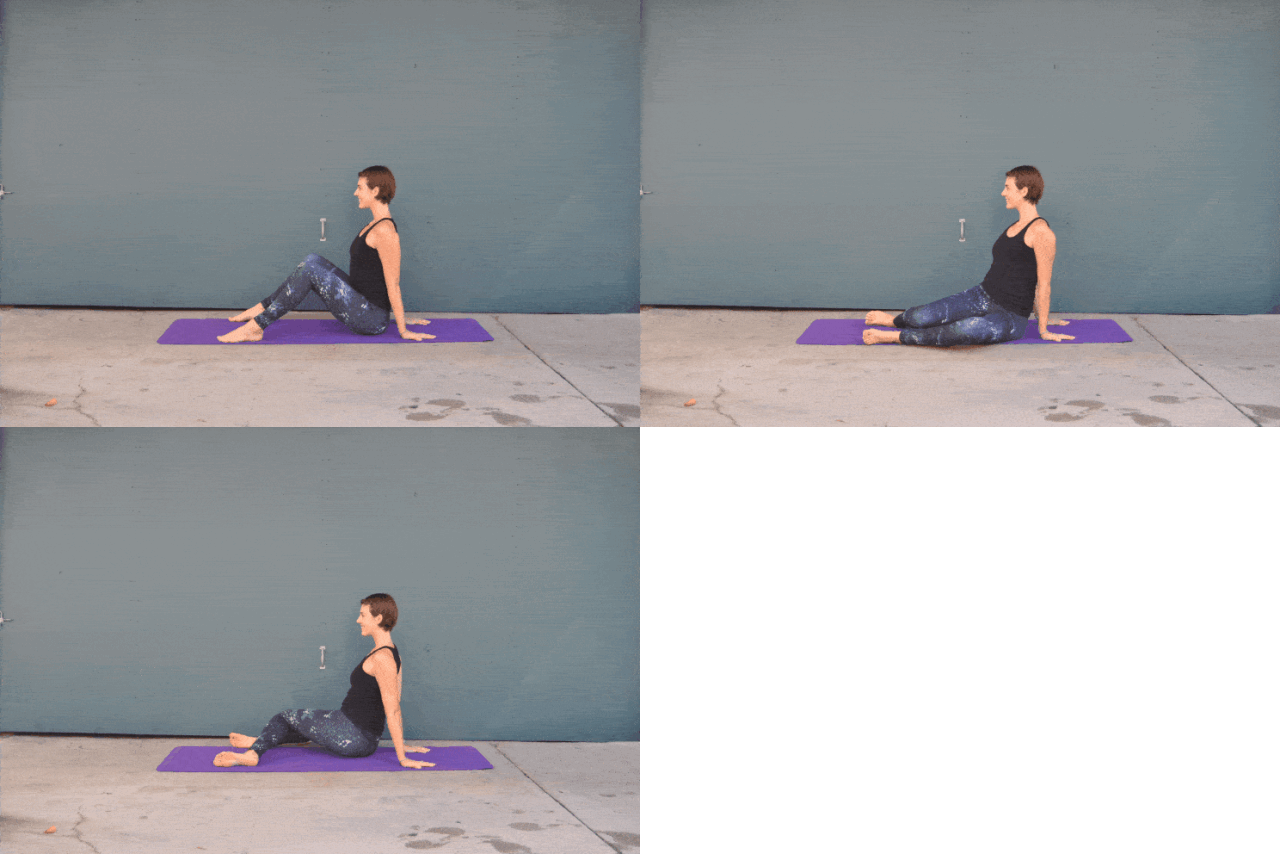
Sit with legs apart and slightly bent knees, hands placed on the back of the body with fingertips pointing backwards, breathe out to twist the waist to the left, then return to the center, repeat 5-8 times.
- Action 2
Simple seat, inhale to stretch the spine, exhale to bend down and move the body downwards, hand arms extend, maintain 3-5 breaths, move the body to the right and maintain 3-5 breaths.
- Action 3
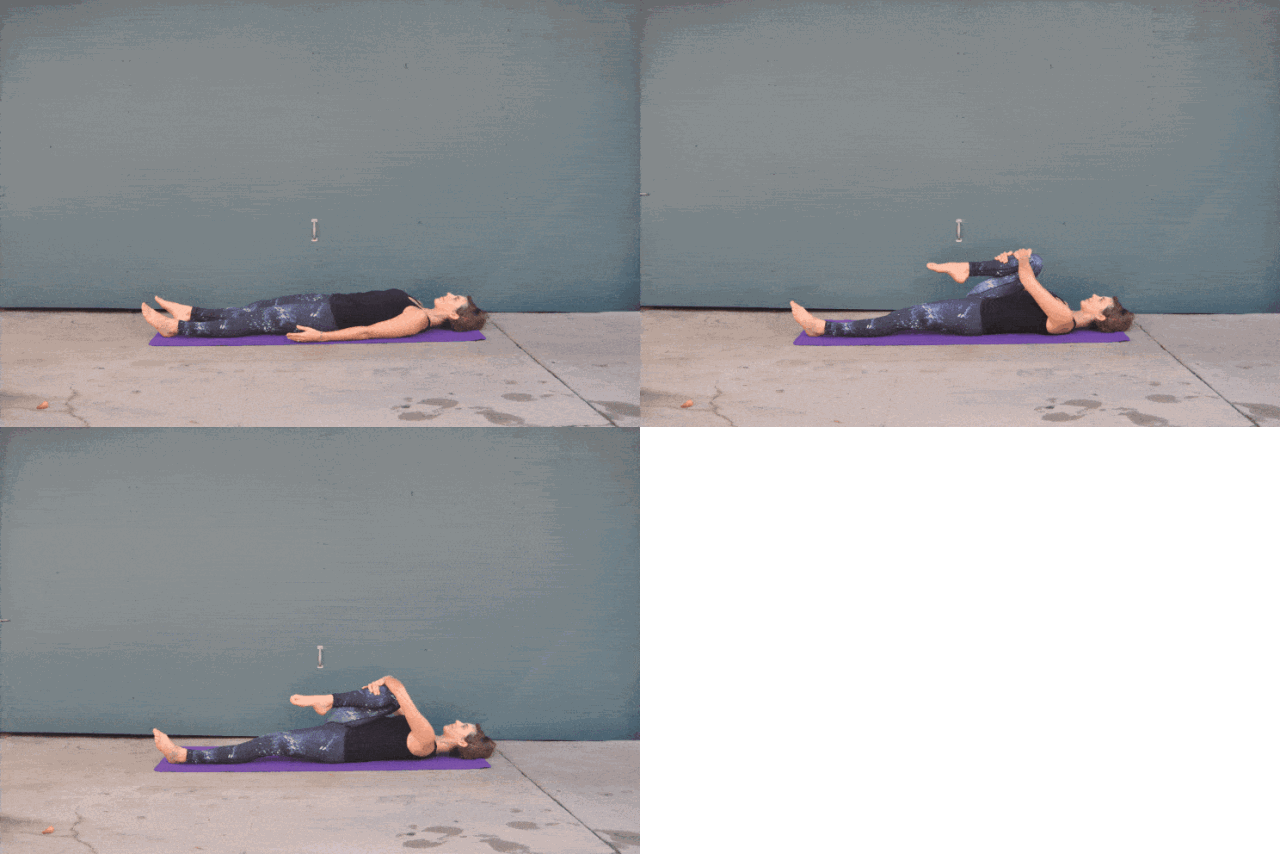
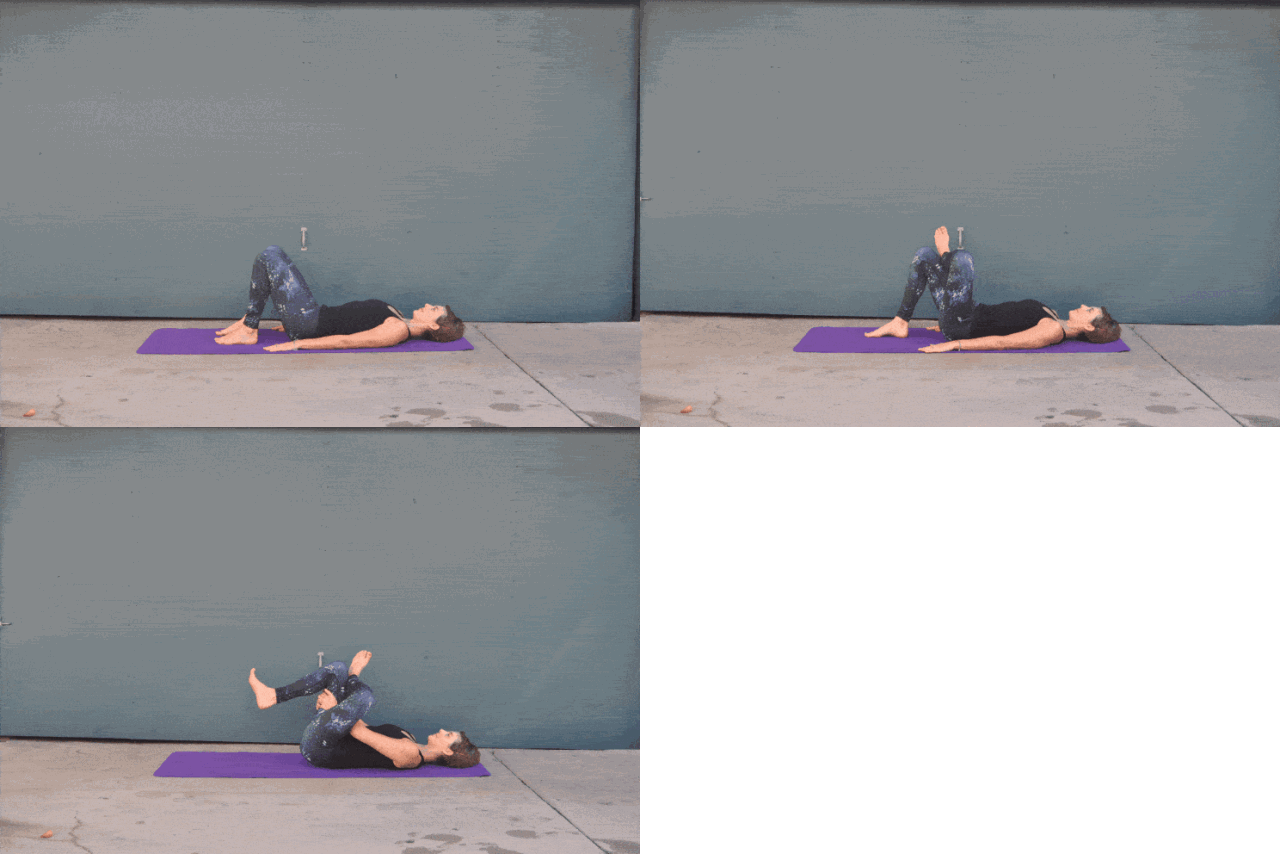
Lie on your back, bend your right knee to approach your abdomen, hold your hands to your lower legs, close to your abdomen, maintain 3-5 breaths.
Action 4
- Lie on your back, bend your knees to approach your abdomen, feet together, hands to the side of your thighs, extend your spine, maintain 3-5 breaths.
Action 5
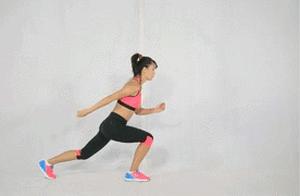
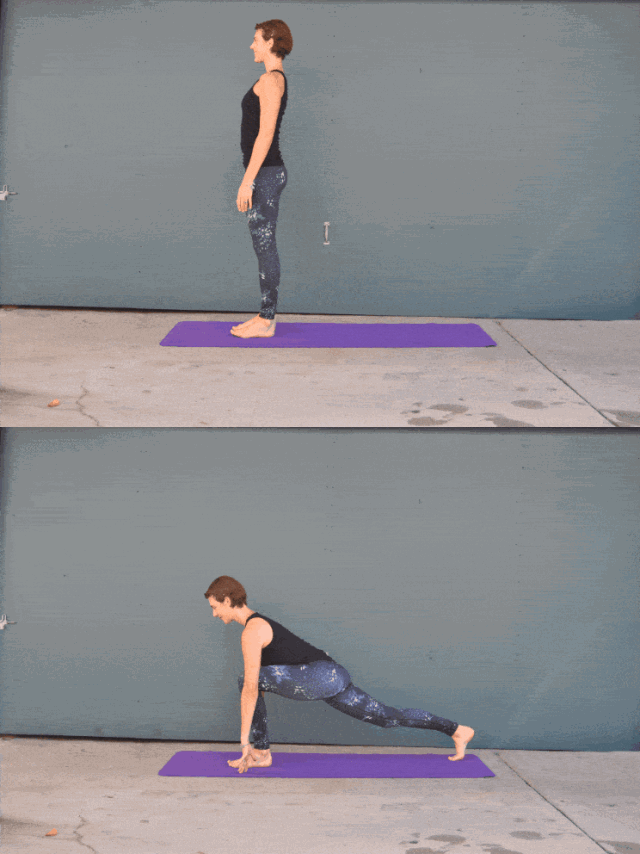
- Standing with straight legs, step forward with one leg, extending the straight leg, keeping the other foot bent, hands on the sides of the legs, extending the spine, maintain 3-5 breaths.
Action 6
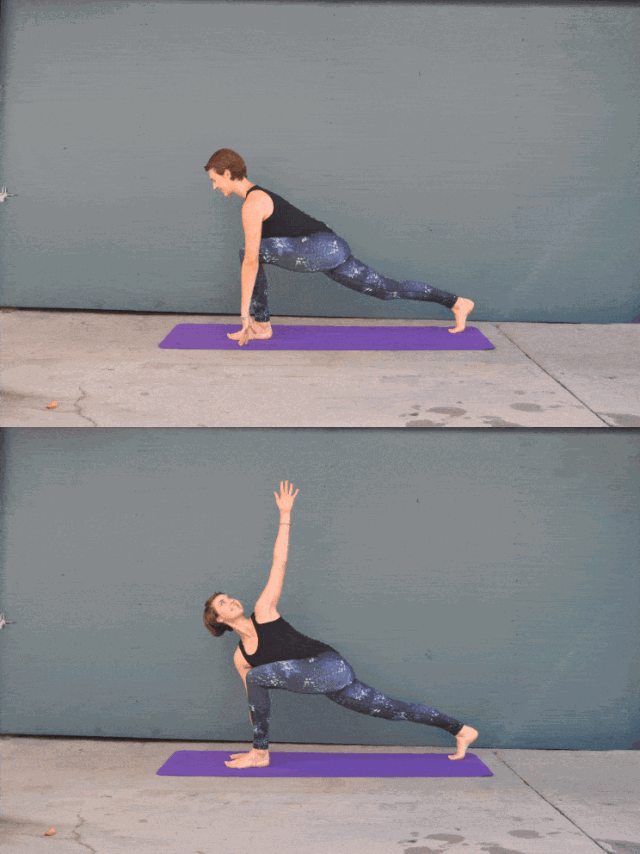
- On Action 5, extend the left side to the side, extend the left arm along the same line, maintain 3-5 breaths.
Action 7
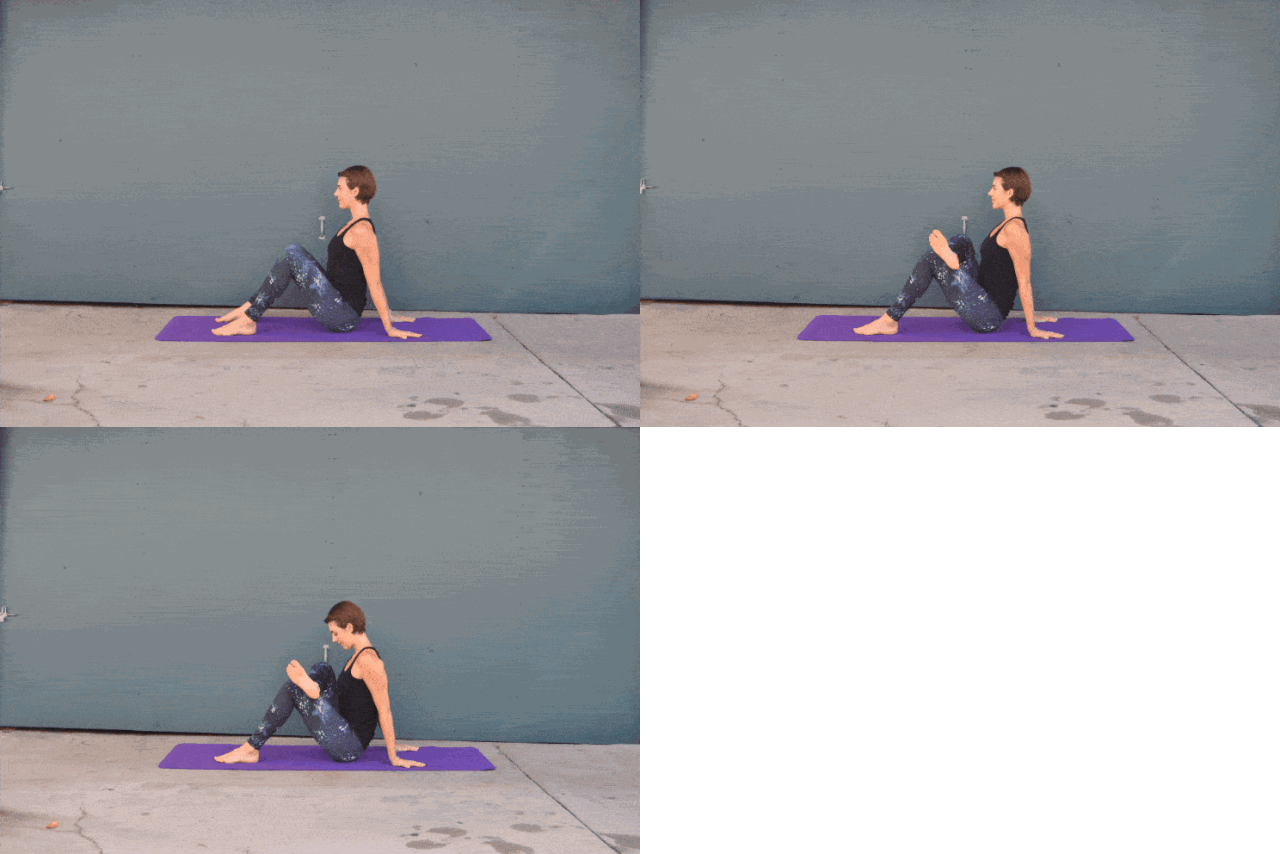
Sit with legs apart and slightly bent kneeshands placed on the back of the body, fingertips pointing backwards, breathe out to twist the waist to the left, then return to the center, repeat 5-8 times.
Action 8
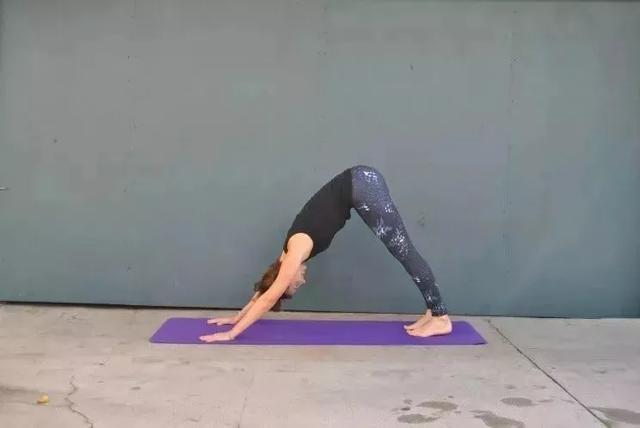
Lie on your back, hands on the sides of your chest, feet open, close to your hips, inhale and prepare to exhale, upward hip, extend legs, stretch arms, feet press down to maintain 3-5 breaths.
Action 9
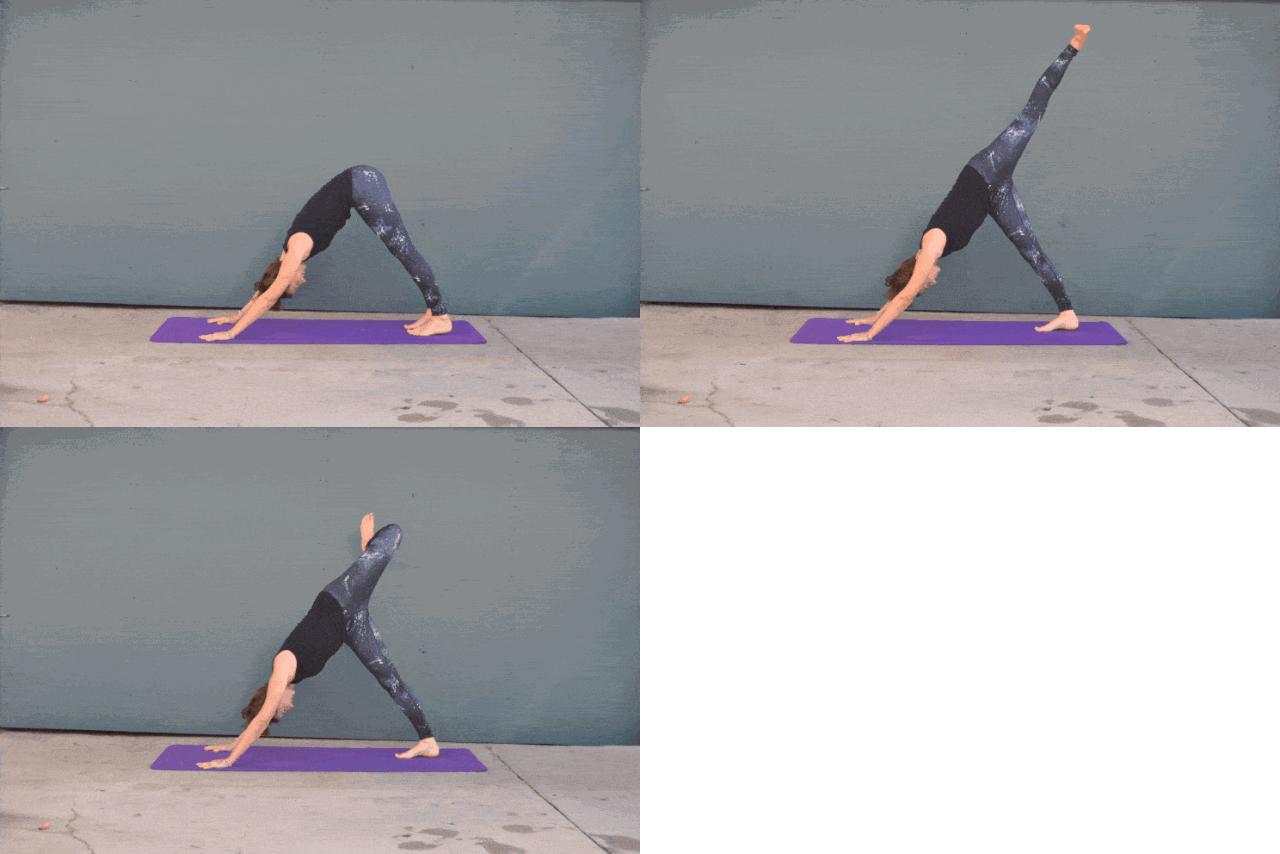
On Action 8, move the left leg backward and upward for 3-5 breaths.
- Action 10
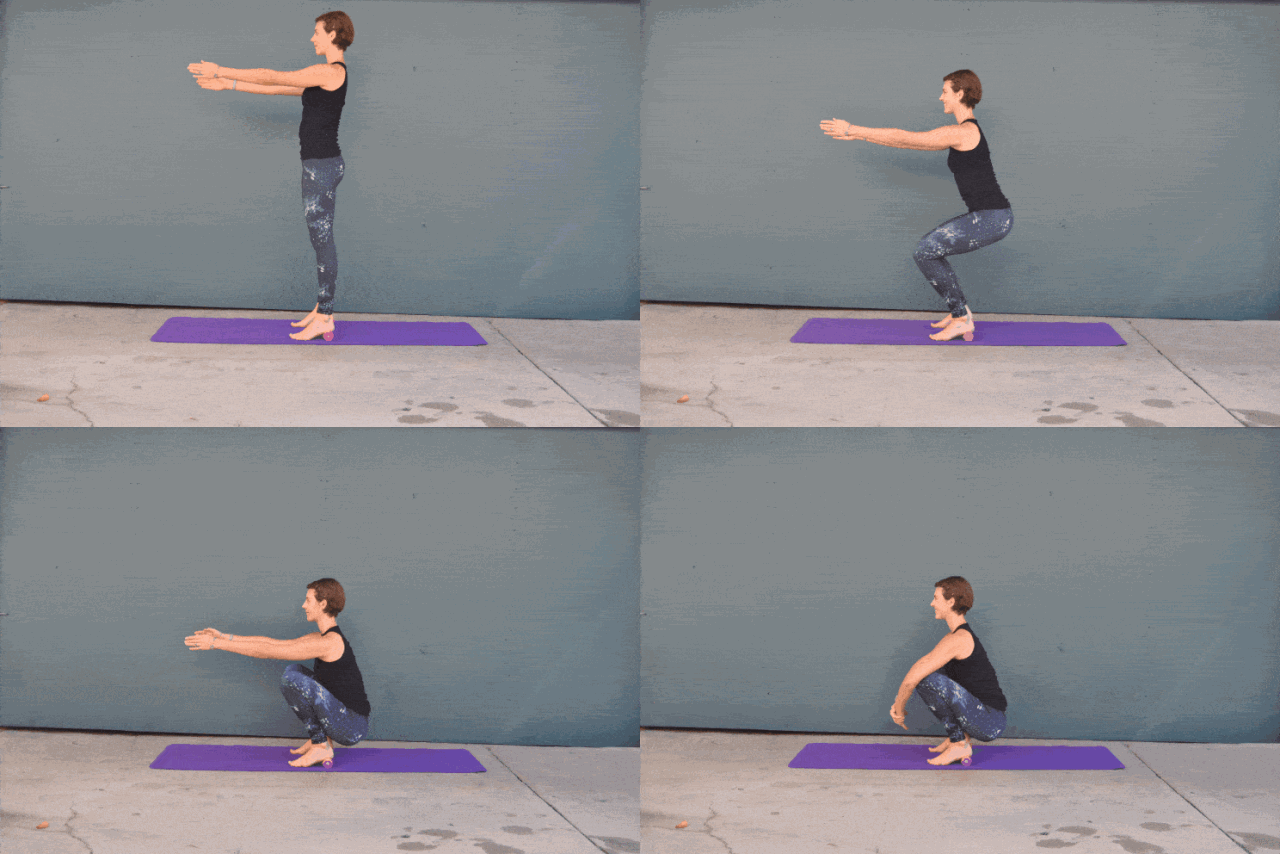
Standing with straight legs, legs open, toes slightly outwards, bend knees down to squat, maintain 3-5 breaths.
- Action 11
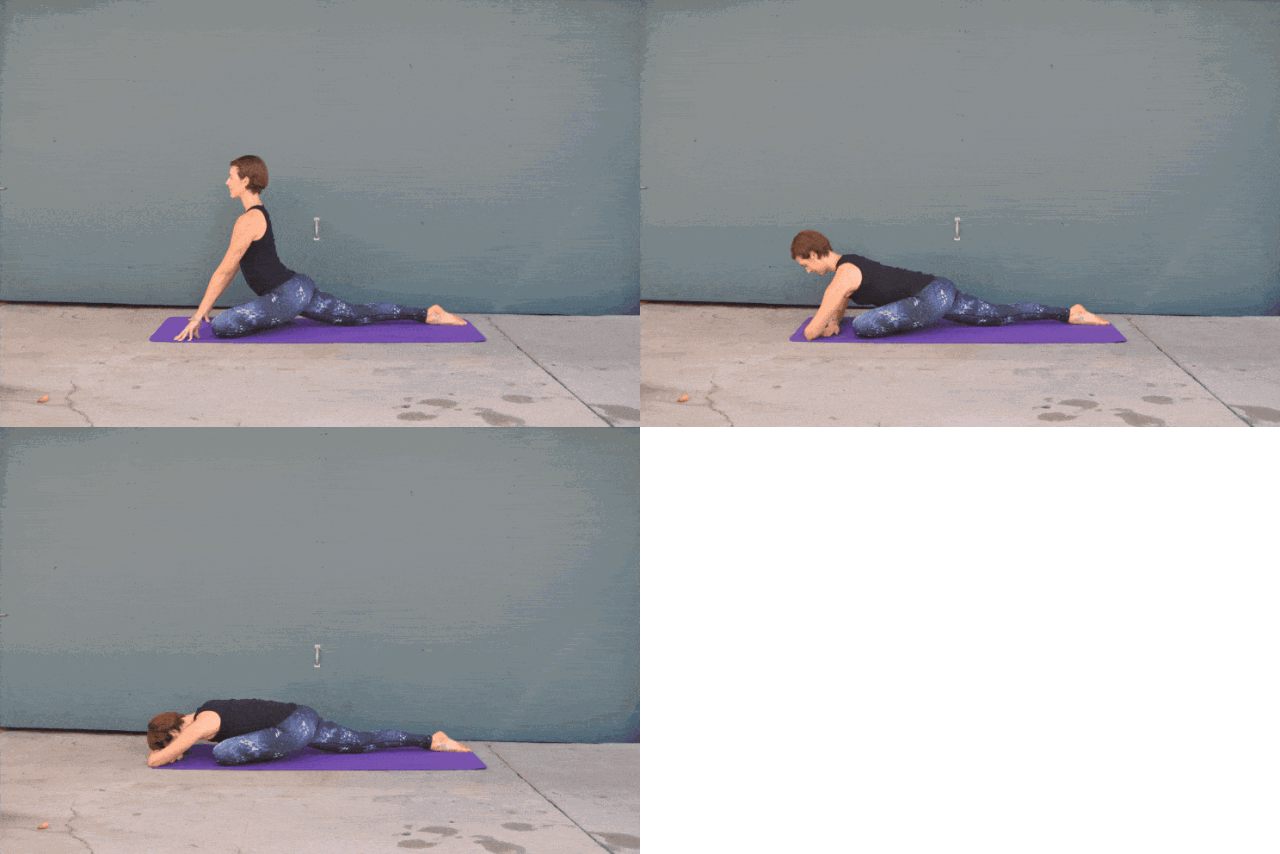
Kneeling with legs parallel to the hips and thighs with one leg bent, extending the other leg, hands on the sides of the legs, maintain 3-5 breaths.
- Thank you for your attention and sharing
If you have any yoga knowledge you want to know
- you can leave a message
we will share it as soon as possible
- Namaste!
I'm Guo Kui Tong, pay attention to me – provide attitude and temperature health exercise knowledge and goods, dedicated to spreading scientific and healthy exercise concepts, and lumbar disc herniation issues. Health first.
- 53-5
7
- 3-5
8
- 3-5
9
- 83-5
10
- 3-53-5
11
- 3-5
Namaste!