If Your Butterfly Kicks are Weak, Can't Find the Right Place to Use Force, or Struggle with Water? 2 Techniques to Quickly Swim
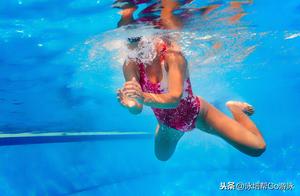
Swimming is a colorful and fun fitness sport, and its fun lies in the diverse ways of swimming. There are four swimming styles: breaststroke, backstroke, freestyle and butterfly. Besides, there are wading, dog paddling, etc.
In this three-dimensional space of water, where the body can be arbitrarily changed, as long as your swimming technique is good enough and you are patient and careful, you will never feel monotonous or boring.
If you are already a swimming veteran with good water quality and carefulness, as long as you ensure safety, you can freely and spontaneously play various tricks in the water.
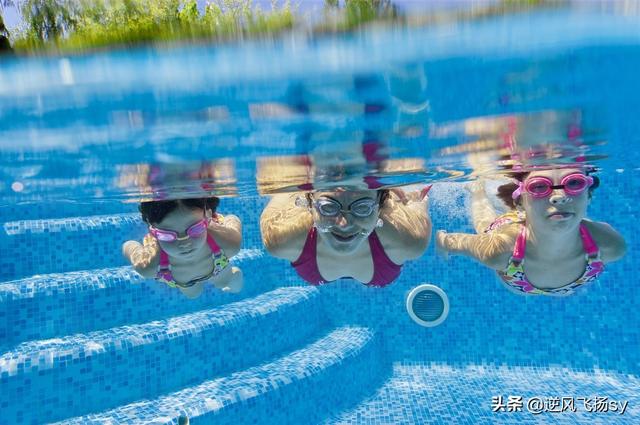
For swimming buddies who are currently learning various swimming styles, most people have a learning and mastering process and goal, which may be in this order: breaststroke, freestyle/backstroke, or backstroke, freestyle, butterfly.
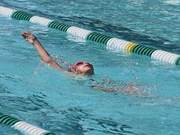
Besides the new breaststroke swimmers who are still working hard to master breaststroke, anyone who is currently learning backstroke, freestyle and butterfly will inevitably bypass the practice of backstroke, freestyle and butterfly legs.
So the question is, many beginners who have just learned backstroke, freestyle or butterfly often feel that when they swim these three styles, they always feel that their leg movements are weak, they can't find the right place to use force, or they feel that they can't move the water, which is a difficult problem.
Backstroke, freestyle and butterfly leg weakness, inability to find the right force location, and difficulty moving water reasons
The ultimate goal of swimming enthusiasts learning swimming is to quickly master all four swimming styles: breaststroke, backstroke, freestyle and butterfly. This not only improves swimming skills, but also brings endless sports fun.
If breaststroke is learned first, due to the established thinking mode and physical memory brought by breaststroke, when learning backstroke, freestyle and butterfly, it is inevitable to use such thinking mode and physical memory to learn backstroke, freestyle and butterfly, leading to incorrect leg movements during leg practice, affecting their leg movements and efficiency.
To solve this problem, you need to start by strengthening the correct leg movements of backstroke, freestyle and butterfly.
The leg movements of backstroke, freestyle and butterfly determine the training method of leg strength and the location of leg force.
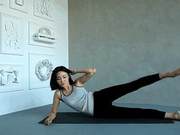
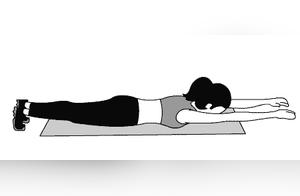
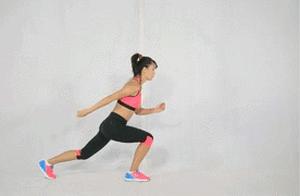
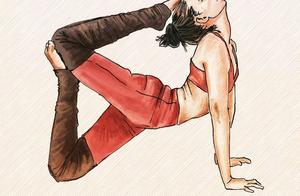
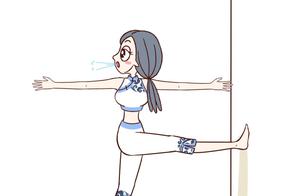
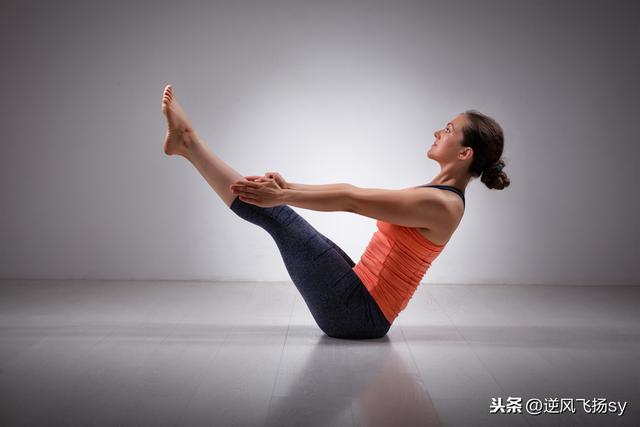
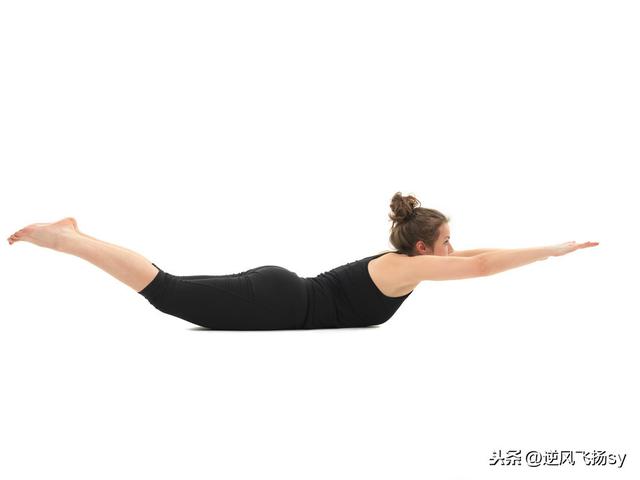
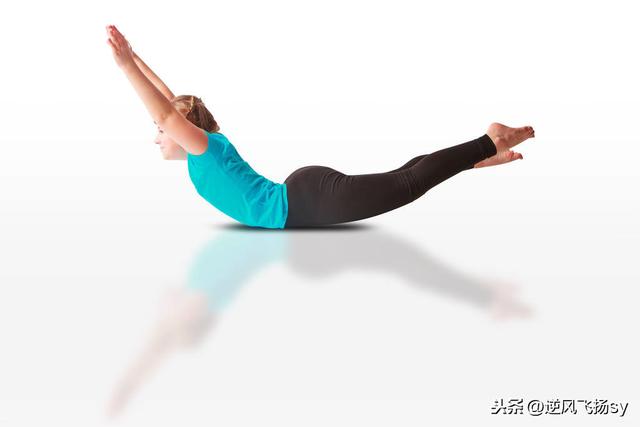
Yoga's Plank and Crow pose can help us clearly feel these two force locations and better strengthen these two locations during backstroke, freestyle and butterfly leg movements.
The leg movements of backstroke, freestyle and butterfly determine the training method of leg strength and the location of leg force.
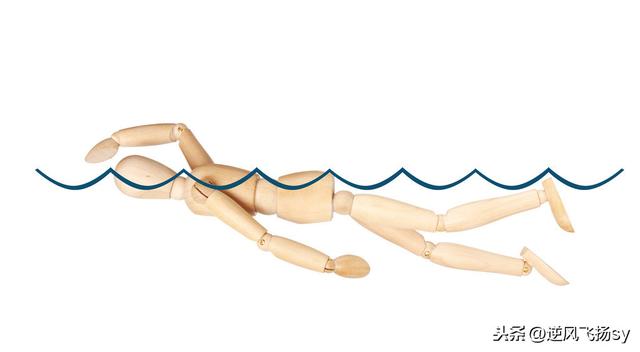
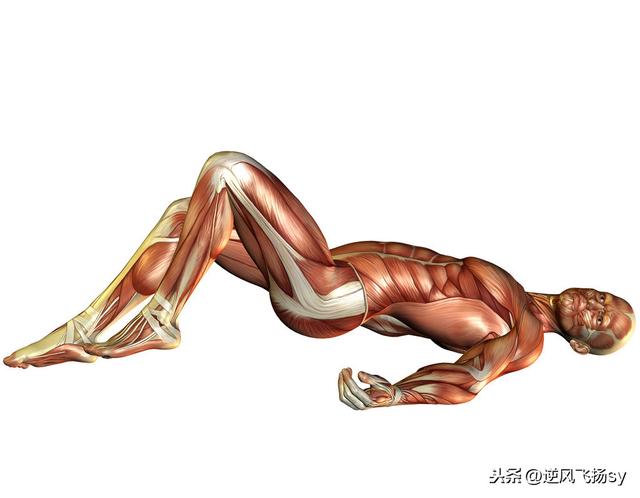
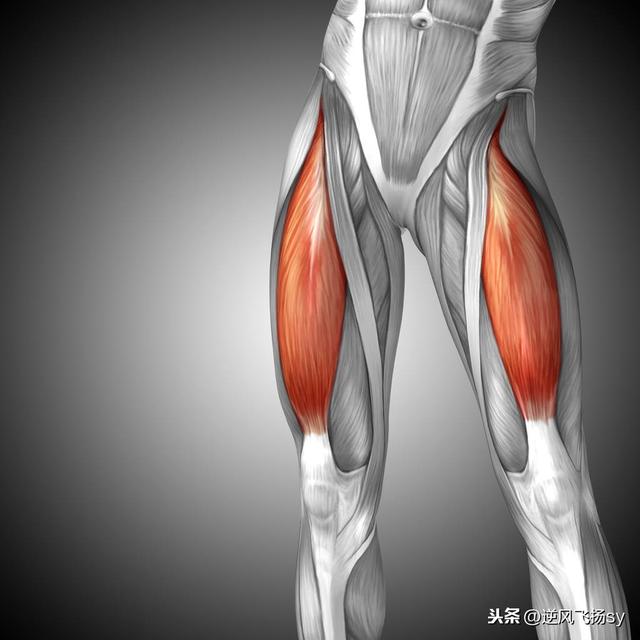
That is, the leg movements of backstroke, freestyle and butterfly are up and down movements, and the main force locations of the legs are the muscles on the front and side of the thighs, as well as the hip muscles.
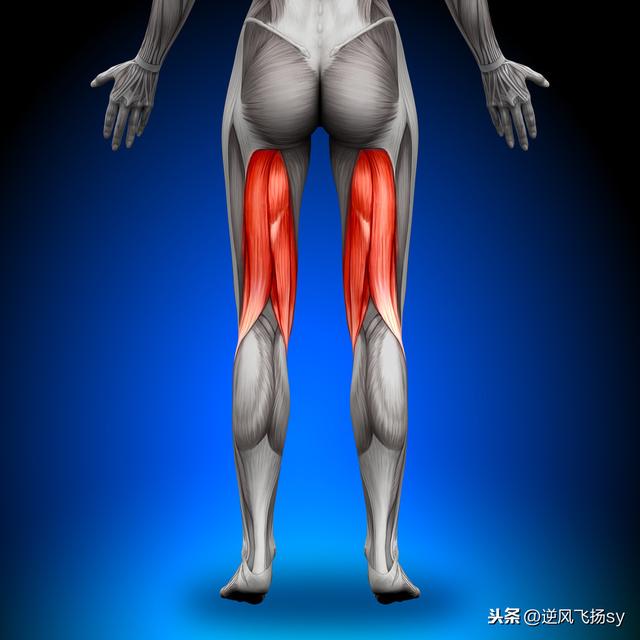
The muscles we need to strengthen are these muscles: namely, the muscles on the front of the thigh and the back of the thigh, as well as the hip muscles.
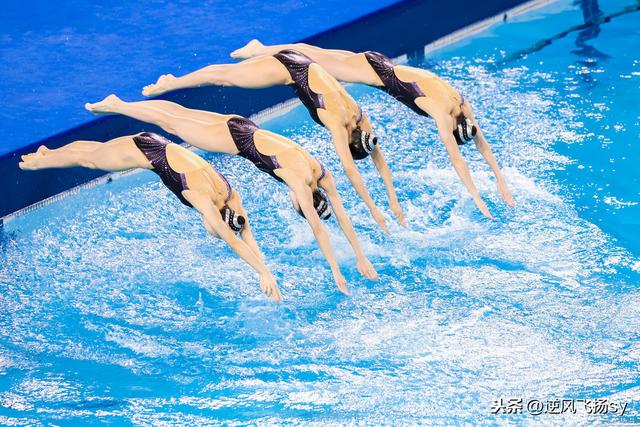
The muscles on the back of the thigh, namely the muscles of the back of the thigh: the muscles of gastrocnemius, semitendinosus, and semimembranosus, as well as the hip muscles: gluteus maximus, gluteus medius.
The muscles on the front of the thigh include: diaphragm, broad ligament, internal oblique muscle, rectus femoris, vastus lateralis, etc., which are the most affected muscles.
Yoga's Plank and Crow pose can help us clearly feel these two force locations and better strengthen these two locations during backstroke, freestyle and butterfly leg movements.
You have encountered what difficulties and problems during swimming? Welcome to leave a comment, let's study and communicate together!
I am a sixty-year-old swimming and yoga enthusiast, constantly breaking through and bravely pursuing knowledge, focusing on sharing swimming and yoga knowledge and experience. If you find it useful, please comment, follow, like, and share!
2
1——
- 60—65°
- 5-8
2——
sy