Seeking Faster and Higher Quality Running? Don't Ignore Your Arm Deficiencies!
As everyone knows, the most used parts during running are our legs, so many runners focus on lower limbs as their main training area.
However, running is a sport that tests overall coordination, and we often ignore the training of the upper body, let alone the arms that seem to have no effect on running.
Following the 'short board effect', when your speed has reached a stable and excellent level, any weakness in the body can affect your speed, arms, in particular, play an important role in a smooth running movement.Let's win unexpectedly at home!
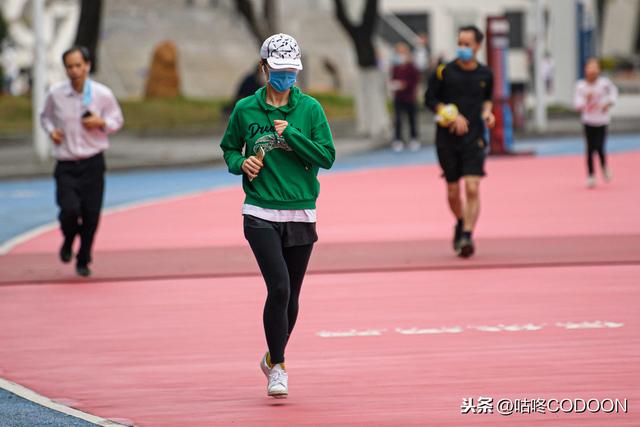
Some may ask, 'Isn't running just about running with your legs?' Arms play a role?
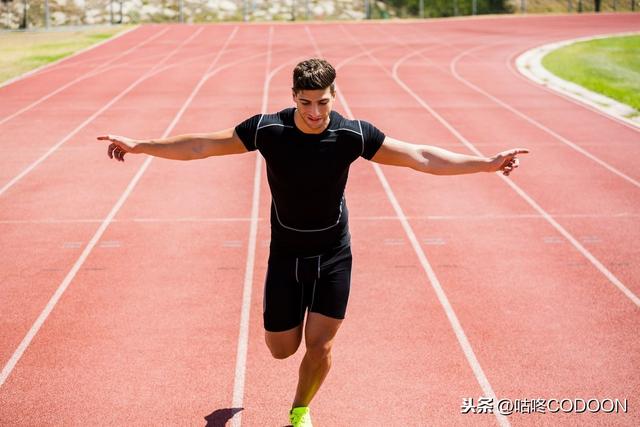
That's what we're going to talk about today, arms not only relate to running but also affect the quality of running. Why?
Balance, power, and enduranceare crucial in running, and arms are closely related to these three elements.
The importance of arms for running
- Maintaining balance:The interplay of forces. During running, when the legs take large steps, the arms move back and forth in a similar scale to balance the leg movements.
- Assisting in forward movement:By pushing the upper body with arms, it helps to propel forward. Especially in short-distance running, arms and shoulders play a key role in the propulsion action.
- Saving physical energy:Strong upper limbs not only help to generate sufficient power during full-speed sprints, but also help relax the shoulders; if the arms and shoulders are tense, the arm swing will be irregular and the amplitude will be reduced, which will consume precious energy.
Therefore, to have quality running, it's essential that every part of the body is strong, and there should be no weakness, even if it's the seemingly unrelated arm, it needs to be treated with the same importance as the lower limbs. Here are 5 arm exercises, let's do them now
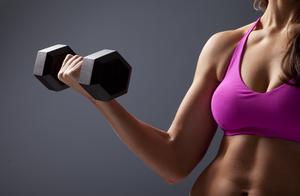
Standing dumbbell biceps alternating curls
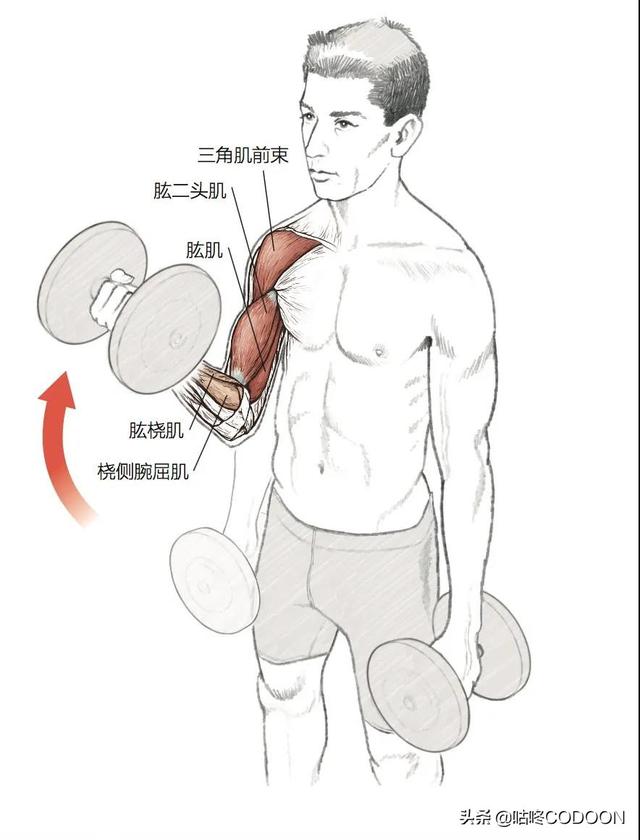
Stand with feet shoulder-width apart and knees slightly bent.
Hold a dumbbell in each hand, arms hanging naturally from the shoulders, palms facing inward. Curl the dumbbell upward, palms facing up, making the movement fluid throughout the range of motion. Pay attention to using the biceps muscles instead of your hands.
Lower the dumbbell back to the starting position, move slowly and smoothly, paying attention to feeling the muscle stretch. Then switch the other arm.
Standing dumbbell hammer curls
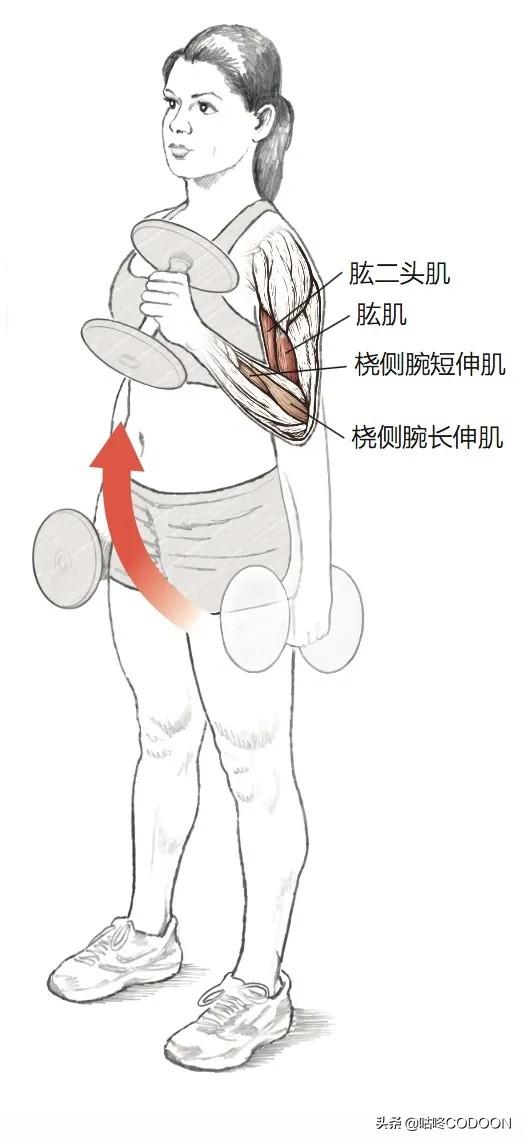
Standing, feet shoulder-width apart. Hold a dumbbell in each hand, arms hanging naturally from the shoulders, palms facing inward.
Bend one dumbbell upward until it touches the shoulders, making the movement fluid throughout the range of motion.
Concentrate on using the biceps muscles, not your hands.
The upper arm remains fixed at the elbow; when the dumbbell is bent over 90 degrees, the upper arm should not move.
Lower the dumbbell back to the starting position, move slowly and smoothly, paying attention to feeling the muscle stretch. Then practice with the other arm.
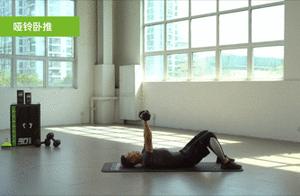
Lying dumbbell triceps extensions
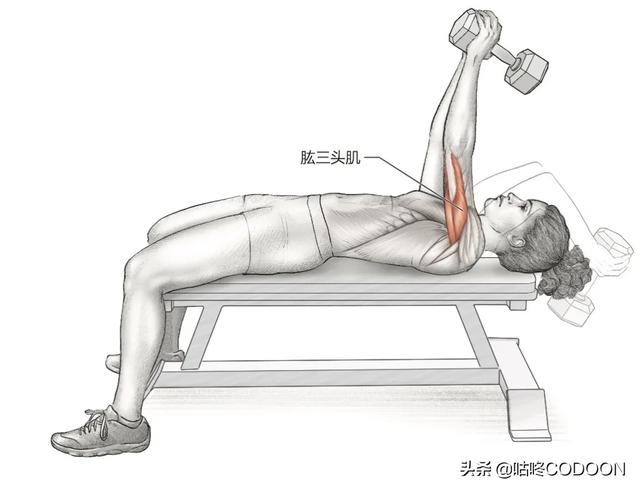
Lie on a flat chair, feet placed on the ground, keep the upper body stable.
With arms outstretched shoulder-width apart, elbows bent at a 90-degree angle.
With palms facing inward, hold a dumbbell in each hand. Extend the forearms fully. Slowly lower the arms to the starting position against the resistance.
One-arm dumbbell reverse flyes
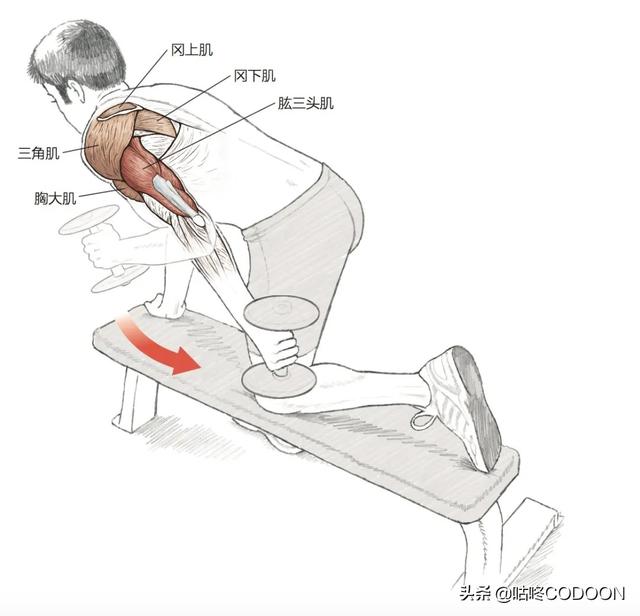
Kneel on one knee on a flat bench. Keep the spine, torso, and head in a straight line.
Non-supporting hand (do not hold the dumbbell) presses on the flat bench, holding the dumbbell arm extends straight, with the foot forming a stable support.
Bend the supporting arm at a 90-degree angle, the palms facing inward. Push the forearm outward, using the triceps muscles to guide the movement smoothly and slowly to return to the starting position. Take a deep breath when performing this action. Lightly resist the pull of the rope, allowing the weight to return slowly and smoothly to the starting position. Take a breath when inhaling.
Reverse pushdown
Take a resistance band at home and stand with legs apart, with a distance less than shoulder-width apart. Hold the resistance rope with palms facing up (reverse grip). Extend the forearms and maintain a fixed posture during the exercise.
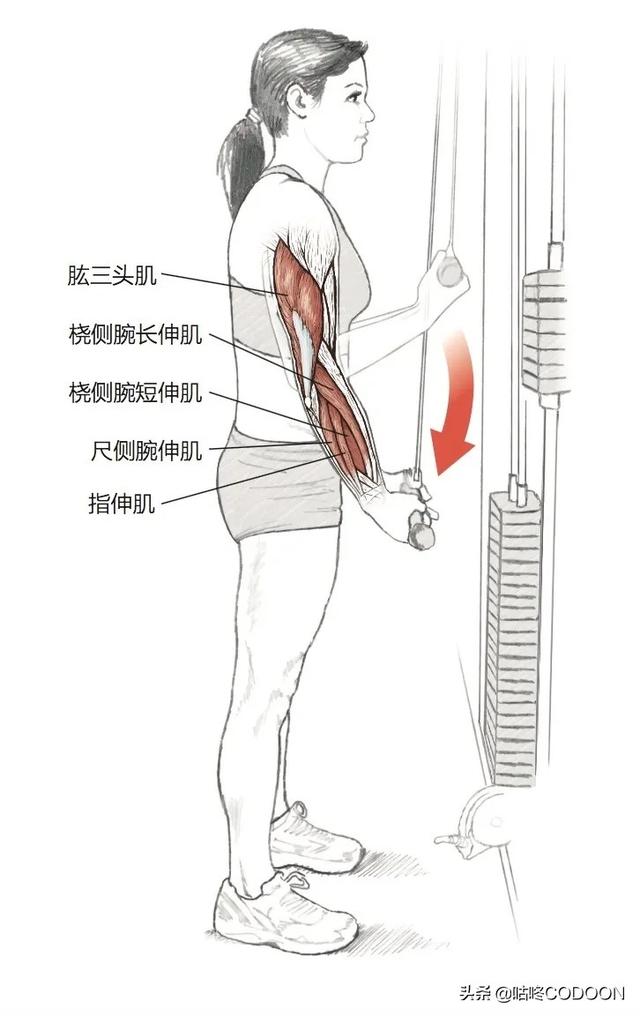
Front arm extension