How should patients with hip synovitis exercise? Let's analyze it with you.
Firstly, we need to know what symptoms hip synovitis will exhibit?
The first symptom is that fluid and edema will appear inside the hip joint. Swelling causes inflammation of the joint and pain in the joint. The second symptom is that when the previous symptoms are more serious, the joint fluid will be more severe.
In such a case, the pain of hip synovitis patients will become increasingly severe, leading to restricted movement of the hip joint. These two symptoms are the typical joint inflammation and joint movement restriction of hip synovitis, and are the main causes of hip joint pain.

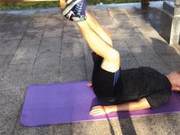
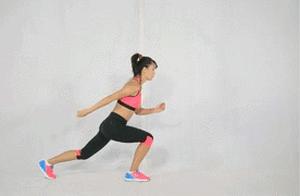
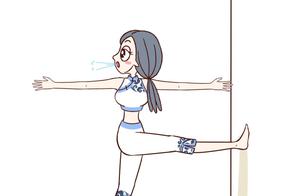
Regarding the exercise for hip synovitis, the first goal is to maintain the joint range of motion at normal angles, so as not to cause activity restriction or adhesion. At this time, we need to do joint range of motion training. These types of exercises can be patient-initiated or passively performed. Such as hip flexion, extension, lateral movement and circular movement, which can reduce swelling
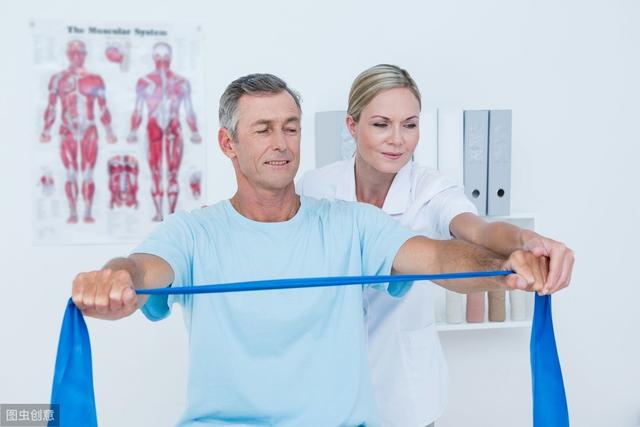
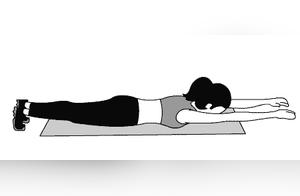
The second goal is to train the muscle strength around the hip joint. Because if hip synovitis has been a long time, the human body's activity or force towards the hip joint will decrease, and prolonged disuse will cause muscle atrophy. This hip joint muscle atrophy is most common, which can cause abnormal gait.
Such external manifestations will make outsiders suspect that the patient may have problems with the lower limb, or that his gait is abnormal, or even suspect that he has a physiological state of unequal limb lengths. However, these suspected problems do not exist. Those suspected problems are caused by hip synovitis. Theoretically, the limbs are the same length, but because of muscle strength and muscle pain, leading to an apparent pelvic tilt and a false sense of unequal lower limb length.
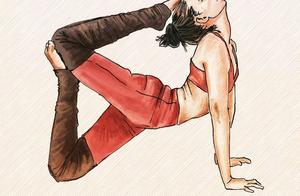
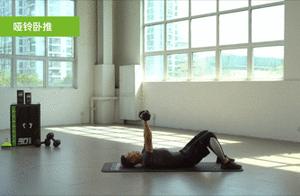
For this muscle pain, muscle energy deficiency, we need patients to perform hip joint muscle energy-type exercises. On the one hand, through massage, to soothe the hardened muscles. On the other hand, the patient takes some movement actions to independently train the muscles around the hip joint.####