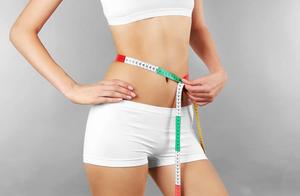
People who are losing weight, if they fall into these 2 misconceptions, even if they eat less and exercise more, it will be very difficult to truly lose weight, and even if they do, their weight is likely to rebound!
Falling foul of these 2 weight loss misconceptions, eating less and exercising more, and you'll find it's very difficult to truly lose weight, and even if you do, your weight is likely to rebound!
Misconception 1: The lower your calorie intake, the faster you'll lose weight
For weight loss, many people take extreme dietary measures, excessively reducing their calorie intake, consuming as few as a few hundred calories a day, and even believing that not eating and not drinking will result in faster weight loss. This approach is extreme, as everything is excessive!
Eating less can lead to weight loss, but your weight is likely to rebound!Your daily calorie intake is lower than your basal metabolic rate, and your body will enter a state of malnutrition, without sufficient nutritional compensation, the metabolic cycle will decline, and the body will feel abnormal, so it will take actions to prevent the coming famine.

And fat is a storage material, while muscle is an energy-consuming material,To prevent the arrival of famine, the body will take measures to hoard fat and break down muscle.As a result, the weight will decrease, but the body's metabolic level will be damaged, and the body will try to save energy and reduce energy consumption, that is,
While you're eating less, your body is also consuming less, which will be frequented by people with a tendency to gain weight.Your original daily calorie expenditure was 2000 calories, and after weight loss, your body's daily calorie expenditure decreased to 1800 calories. When you restore a daily intake of 2000 calories, your body will generate a 200-calorie deficit,

Your weight will rebound back.Solution:
To prevent this situation from occurring, we need to reasonably control the calorie deficit, and the daily calorie reduction should be between 350-450 calories, and the daily calorie intake should be between 1500-1600 calories, which can meet your basic metabolic rate while being less than your total consumption.

In addition, we also need to eat a balanced diet, with three meals supplemented with high protein, carbohydrates, and healthy fats to maintain the speed of the body's operation. During the time of weight loss, it is recommended to choose high-fiber fruits and vegetables and supplement with dairy products and eggs and fish, and the staple food can increase the intake of satiety-rich coarse grains, and moderately reduce the intake of rice, steamed buns, and noodles.
Misconception 2, Don't do strength training during weight loss
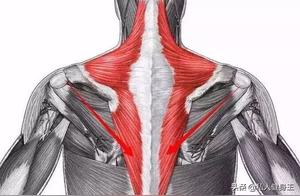
Most people who lose weight through exercise simply do cardio exercises while ignoring strength training. Strength training is an exercise that cannot be sustained, and its main purpose is to exercise muscle and increase muscle mass.Many people become fat because of excess calories, excessive calorie intake, in addition, another reason is:As the years pass, after 30 years of age, the body's muscle gradually decreases, leading to a decline in the body's metabolic rate.

Muscle loss will also lead to a decrease in the body's calorie consumption. The same dietary approach will result in gradual fat gain.
To improve the body's metabolic rate, we need to do strength training to sculpt our muscle mass. Muscle is a lean tissue, which does not occupy volume and can help the body consume more calories.Muscle's calorie consumption is twice or three times that of the same weight fat, which can help shape a slender figure.

Muscle loss means the loss of strength and muscle, the aging of the body, and the slackening of the skin.
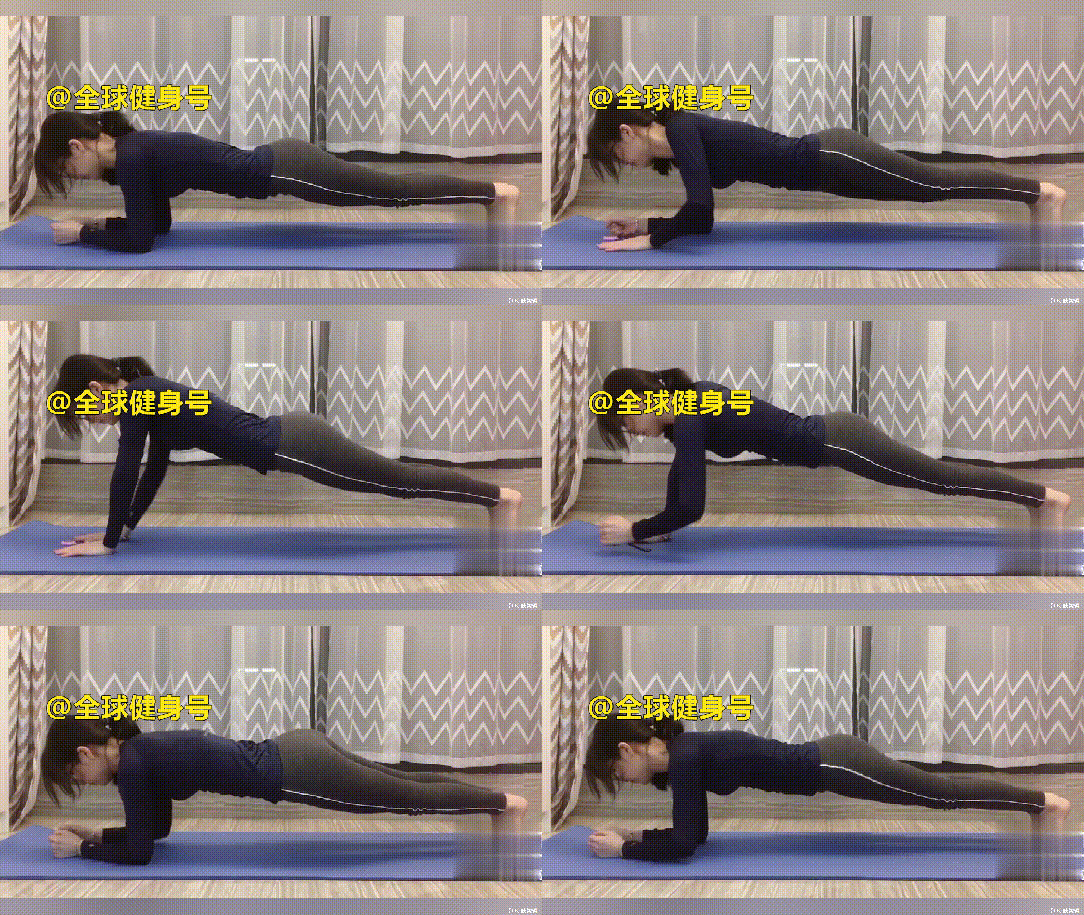
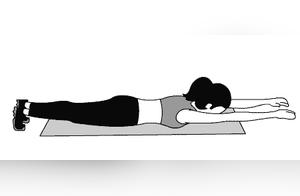
During weight loss, we should not only engage in cardio exercises to burn fat, but also incorporate strength training to prevent muscle loss. Weight loss can maintain a vigorous metabolic rate and prevent rebound weight gain. Strength training can also improve your curves and strength, and maintain the skin's elasticity and resist the speed of aging.Solution: