Support for Plank Exercises Should Retreat from the Pantheon; Here Are 5 Myths About Plank Exercises That You Should Recognize
As with many fitness enthusiasts, my fitness journey began with bodyweight exercises. Initially, I would do push-ups and pull-ups at home, but at that time a new bodyweight exercise was gaining popularity – the plank. And as a fitness newbie, I was very skeptical of all the trending fitness methods without any theoretical knowledge, so after finishing push-ups and pull-ups every day, I would also use some time to do planks. It has to be said that even if you persevere for 2 minutes, it's much more painful than doing 100 push-ups. The popular saying in the fitness circle was 'no pain no gain', so I thought that all the pain and time spent on planks were worth it, and there was also a lot of propaganda on the internet about the benefits of planks, saying that planks could help with weight loss, tighten the abs, and improve basic metabolism and the body's balance ability. The most common saying is that planks can improve core strength.
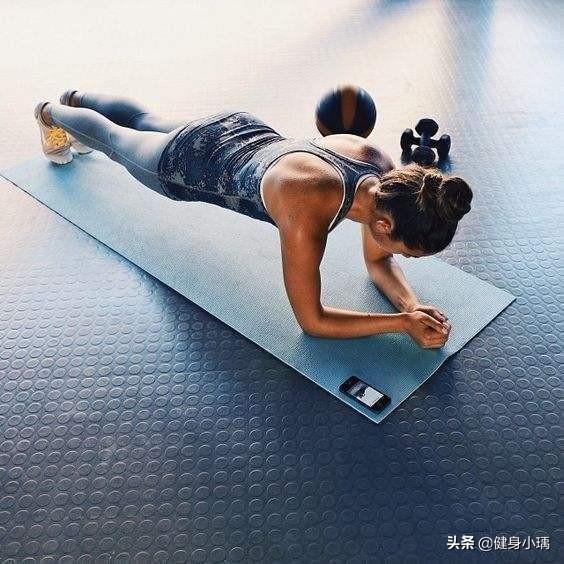
I looked at planks afterward and couldn't help but laugh, because it is really an exaggerated fitness exercise. There is also a lot of hype online about the benefits of planks, which are unfounded. Why is this the case? Let's first take a look at the origin of the plank. The plank comes from Pilates, but subsequent research has shown that this exercise can help the human body improve core control. As the research results were published, the plank began to be increasingly popular among more and more people, even the fire department would use it as a fitness assessment indicator for firefighters. In addition, there are many plank competitions, which have gradually become popular. This is the reason why the plank is popular. So, let's look at the origin of the plank. The plank comes from Pilates. What is Pilates?
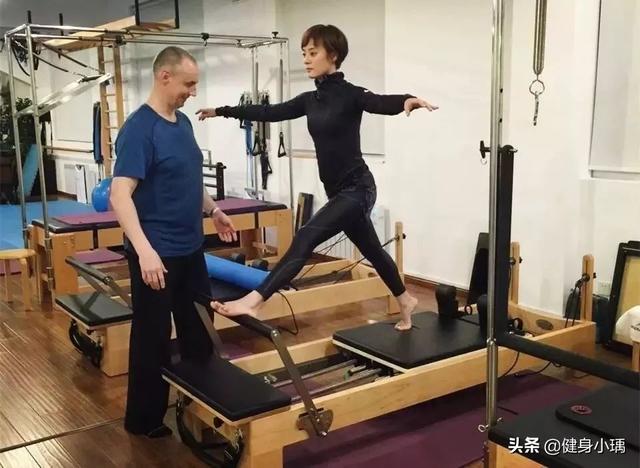
Pilates is a sport that improves the control ability of the human body. Pilates courses are typically designed for office workers who have been sitting for a long time to improve the body shape caused by prolonged sitting. This project focuses on the training of the abdominal muscles, hip muscles, shoulder muscles and back muscles. Regularly doing Pilates can solve bad posture and relax muscles, making the human body work better. So, when we talk about planks, let's look at the claimed benefits of planks: can planks help with weight loss? Can they tighten your abs? Can they improve basic metabolism? Can they improve balance and core strength? I'll raise a big question mark here and analyze them one by one.
Planks and weight loss
Can planks help with weight loss? Don't make a joke, the primary condition for weight loss is to create a calorie deficit, and the calorie intake is less than the calorie output. The calorie input is mainly in the diet, and the calorie output is in exercise. If you want to achieve high calorie consumption in exercise, you must have a certain intensity. In fact, heat consumption and fat burning are constantly occurring in the human body. When you're reading this article, your body is burning calories and burning fat. You don't lose weight because low-intensity activities consume very little. Planks don't contribute much to weight loss. It's better to take a walk to consume calories.
Planks and tightening the abs
Planks can have some effect on tightening the abs, but it's not the root cause of the problem. When you're exercising, your abs will tighten, and they'll still bulge when you're not exercising. Although through planks, you can strengthen the transverse abdominis, which can pull your abs inward, but to always achieve this effect, you need to strengthen the transverse abdominis' endurance. Planks don't provide much training for the endurance of the transverse abdominis. How long can you plank? It's at most 20 minutes. Even if you can persevere for more than 1 hour, it's not helpful. We spend at least 8 hours a day on activities. If you only use 1 hour to 'retract' your abs, the remaining hours are still lax. Therefore, planks are not the root cause of the problem. If you really want to tighten your abs, you need to maintain abdominal contraction habits during the day, and after a long time, your belly will naturally become smaller.

Planks and basic metabolism
Planks can improve basic metabolism, haha, I've only heard that lifting weights can improve basic metabolism. Planks' exercise intensity is far less than lifting weights, and they claim to improve basic metabolism, which is simply nonsense. You know, even people who have been lifting weights for years are still prone to obesity. A plank can't improve basic metabolism. Planks are planks. Low intensity is low. Don't rely on planks to improve basic metabolism!

Planks and balance
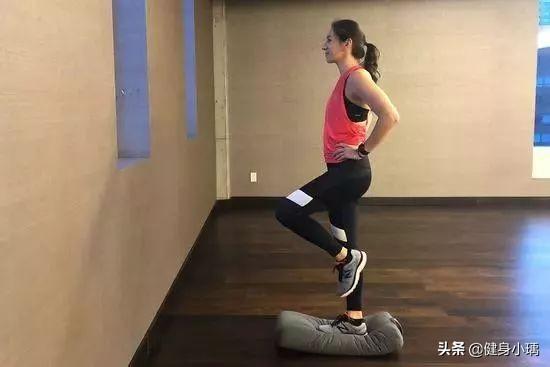
Planks can help improve balance, but it depends on the person. In rehabilitation training, there are training courses that restore balance. These courses are divided into several levels according to the difficulty of the exercises. The lowest level is sitting on the ground to restore balance, which is suitable for the most severe patients. As the patient's recovery progresses, the training exercises gradually change from sitting to kneeling, and then to standing. Standing balance training is the training exercise for patients who are about to recover. As for us, healthy people, we can also use balance training by leaning on our feet or single-leg standing. It's not a training method to cause balance problems after limbs are completely on the ground. Therefore, is it necessary to use planks to develop balance ability? I don't think so.
Planks and core strength
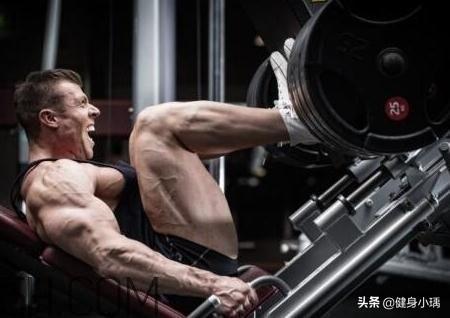
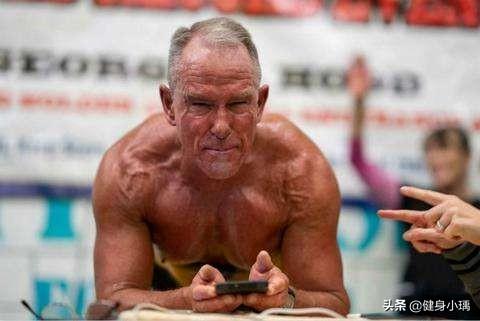
Planks have a slight effect on core strength, but this exercise focuses more on endurance and mental fortitude. There's a clear example to illustrate this point: the Guinness World Record for planking is 8 hours and 15 minutes, created by a 62-year-old retired law enforcement officer. Let's think about it, even if you've been diligently lifting weights, your muscles will still age. In the same amount of effort, a 60-year-old's muscle strength will inevitably be inferior to a young person. Therefore, planking is not used for developing strength. This exercise cannot be said to have no contribution to strength, but it's ultimately focused on endurance.
Conclusion
The 5 points mentioned above are common myths about planks. This exercise is not so magical, but it has been over-hyped. Planks are a basic training exercise for beginners. Through this exercise, you can find the feeling of contracting your core muscles, which will lay a foundation for future advanced exercises. Don't over-believe in this exercise, and don't waste too much time on it. But if you want to participate in plank competitions, it's a different matter.
5