How to Deal with Double Plank in Meditation? Long Sitting is the Best Alternative
Practicing at home and not sure where to start? Today we'll introduce the most basic and commonly used sitting pose in yoga. These are the basic home poses and basic knowledge. Beginners must master them.
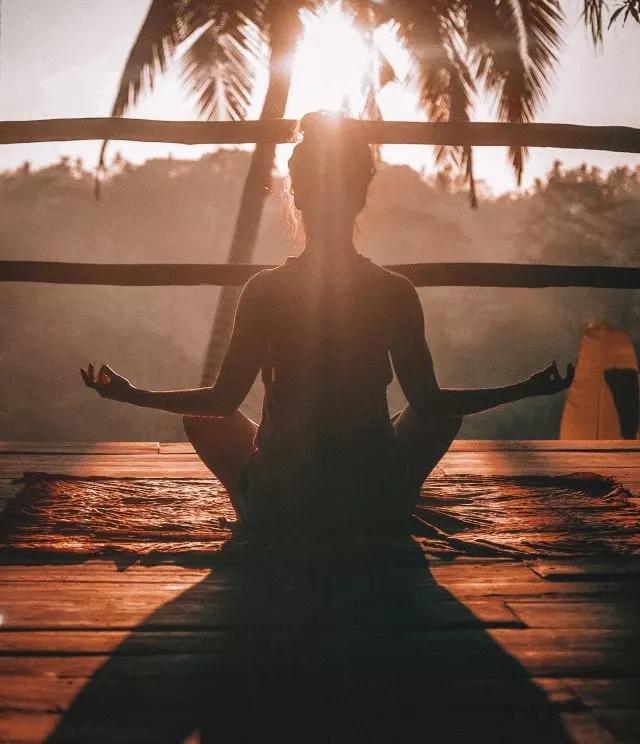
Regardless of what sitting pose you choose, the pelvis should be kept upright, the sit bones should be compressed on the yoga cushion, the spine should be upright, the neck and head should be natural, and the shoulders should sink down. All sitting poses can be done with a cushion under the hips.
1Long Sitting (Right-angle Sitting, Staff Pose)
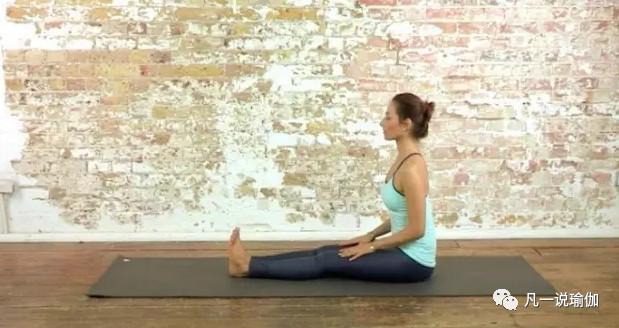
- Sit on the mat, wiggle the hip muscles, and compress the sit bones on the cushion,
- Adjust the pelvis to keep it upright and not tilted forward or backward
- Keep the spine upright, waist curve natural
- Extend the legs straight, toes pointed in
- The feet are together or apart with the width of the pelvis.
- Place your hands on either side of your body, with the shoulder blades naturally sinking down, the head and neck upright, and the chin slightly tucked in.
This is the most basic action in sitting posture, also known as 'Mountain Pose'. It's the sitting version of Mountain Pose. As a preparation action for all standing poses, Long Sitting is also a preparation action for all sitting poses.
2Simple Sitting
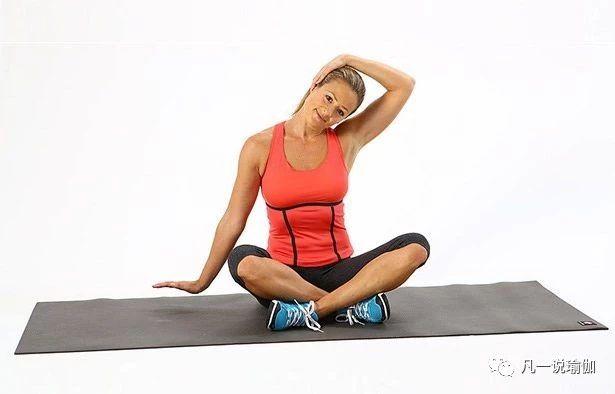
- Sit on the mat, wiggle the hip muscles, compress the sit bones on the cushion, and keep the spine upright
- Bend your knees, cross your small legs, and let the knees relax naturally
This is the most basic and simplest sitting posture inside
3Single Plank
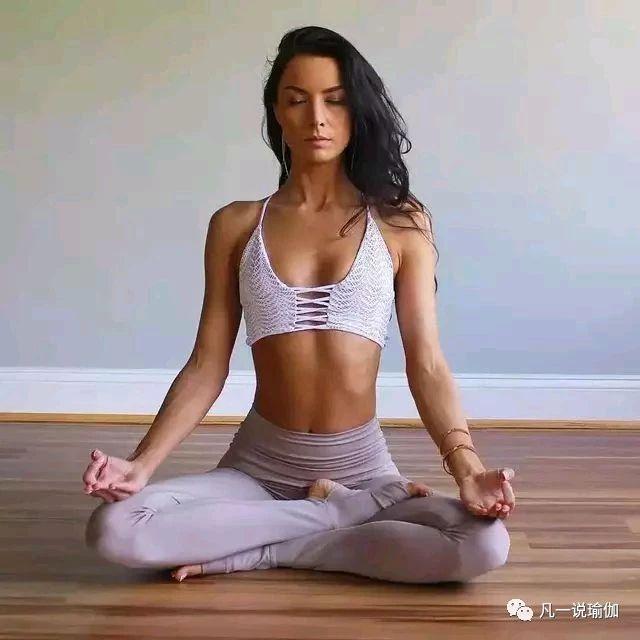
- Long Sitting on the mat, compress the sit bones, keep the spine upright
- Bend the left knee, place the left foot on top of the right thigh
- Then bend the right knee, put the right foot under the left thigh
- Natural breathing.
- Place your hands naturally on either side of your body or make yoga hand gestures.
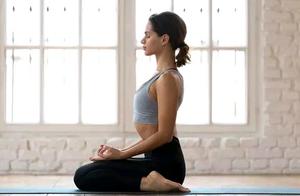
4Double Plank

- Long Sitting on the mat, compress the sit bones, keep the spine upright
- Bend the left knee, place the left foot on top of the right thigh
- Bend the right knee, put the right foot under the left thigh
- Hands naturally
During yoga meditation sitting, if you can't do Double Lotus, don't force yourself. You can choose any sitting posture that feels comfortable to you. If you feel uncomfortable sitting, how can you enter meditation and achieve inner peace?
5Perfect Sitting
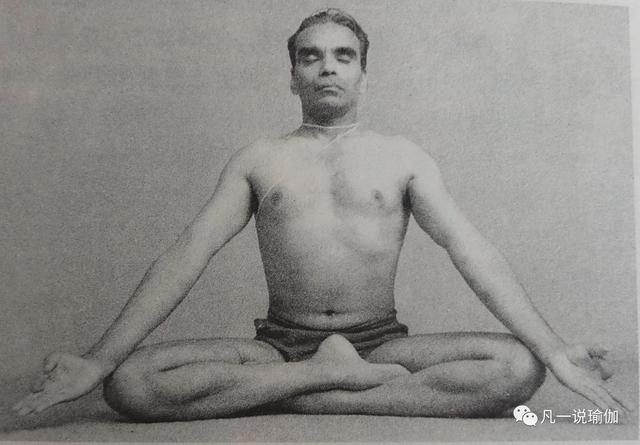
- Long Sitting posture, sit on the mat, pelvis upright, spine upright, shoulders naturally sink down
- Bend the left knee, bring the heel of the left foot close to the pubic bone
- Bend the right knee, put the right foot on top of the left ankle, and the palm of the right hand rests on the left knee
- Place your hands on either side of your knees or make various yoga hand gestures
Perfect Sitting is not often mentioned, but it is a sitting posture that is comparable to Double Lotus in the earliest yoga texts, and it was mentioned in the earliest yoga texts, and it is the best sitting posture for meditation and sitting, it can effectively promote the drainage and cleansing of 7200 body meridians (yoga believes that there are 7200 meridians in the human body).6Lucky Sitting (Angled Sitting)
Long Sitting posture, sit on the mat, adjust the pelvis to be upright, spine upright
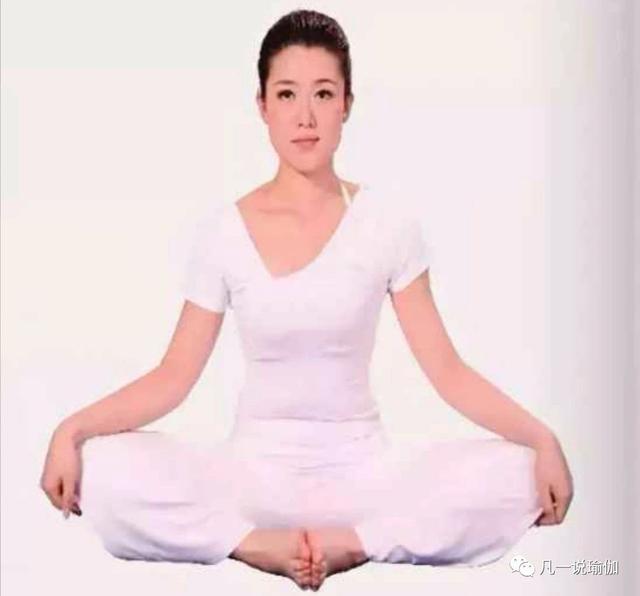
- Bend both knees, feet palms facing each other in front, the heels close to the body
- Place your hands naturally on both knees
- Lucky Sitting posture is actually the preparation action of Angled Pose. It's listed as a basic sitting posture because it's frequently used in classroom exercises
7Hero Pose
Both knees are bent and kneeling on the mat
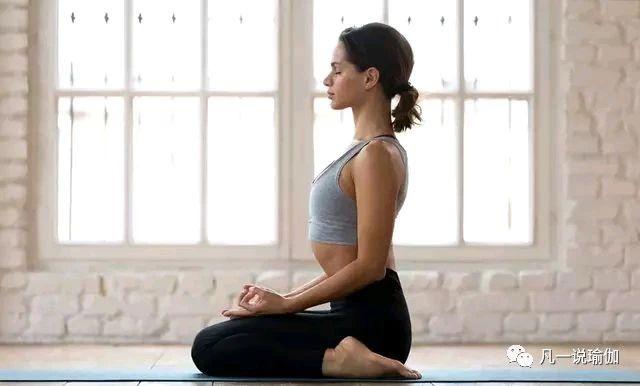
- The feet are opened to the sides, and the arms are raised to move the small muscles of the lower legs outwards
- The hips are seated between the feet
- Keep the pelvis upright, the spine upright, and the hands naturally on the side of the knee or make yoga hand gestures
- Besides Long Sitting posture, it's the only one in the basic sitting posture that causes internal rotation of the hip joint. When sitting with legs extended, the hip joint will naturally have a slight internal rotation
8Square Sitting (Brick Sitting, Thunderbolt Sitting)
Both knees are bent and standing, the big toes are facing each other
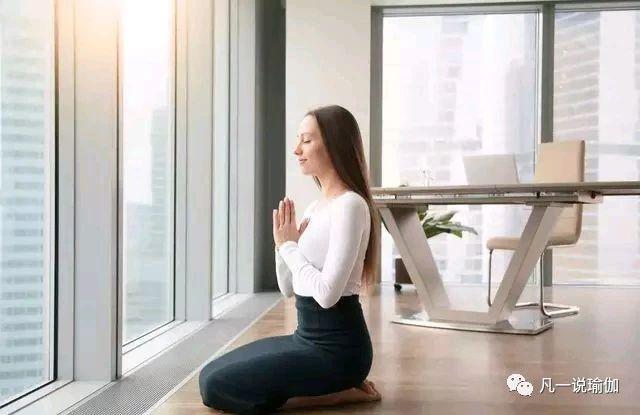
- Use your hands to move the small muscles of the lower legs outwards
- The hips are seated in the middle of the feet's heel
- Keep the pelvis upright, the spine upright, and the hands naturally on the knee or make yoga hand gestures
- This posture is most often mentioned because it helps with digestion, and it can be practiced immediately after eating
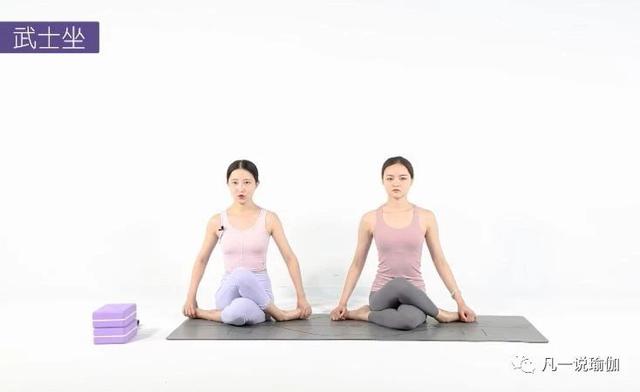
9Samson Pose (Cow Face Pose)Sit on the mat, compress the sit bonesBend both knees, the thighs are crossed, the knees are stacked on top of each other, and the small legs are placed outside the hips
This posture is constantly misunderstood by many people that it is 'hip joint internal contraction + internal rotation'; it is actually 'hip joint internal contraction + external rotation'. It is an opening of the hips, don't treat it as a contraction of the hips, it's a finishing action of opening the hips
- 10Four Corner Bench Kneeling
- This does not belong to the sitting posture, but it is frequently encountered in yoga practice. It can be used as a preparation action for many postures, so it's introduced here briefly
Four limbs on the ground
Place your hands shoulder-width apart, with your arms perpendicular to the ground.
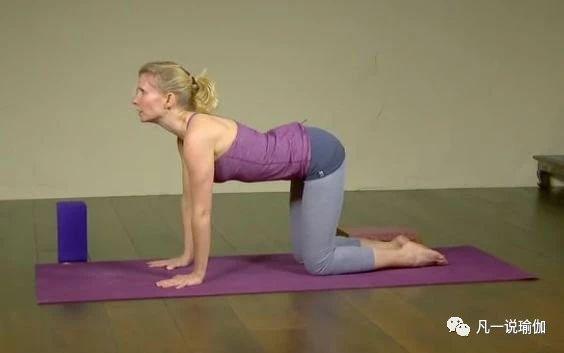
Five fingers spread and face forward, with the index or middle finger pointing forward
- The legs are separated with the width of the pelvis, the thighs are perpendicular to the ground
- Slightly tighten the tailbone, keep the spine upright, and the neck and head are naturally extended
- Pay attention to one thing, share health and beauty!