Prolonged Sitting Causes Pain: Correct Your Posture with This Yoga Pose
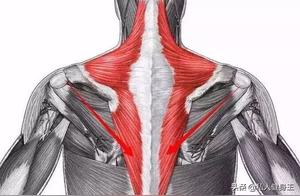
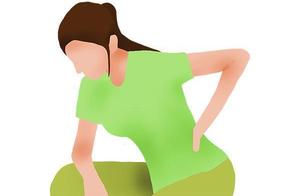
Prolonged sitting for office workers can lead to various problems such as cervical spondylosis, lumbar spondylosis, and hunchback. These symptoms are caused by improper posture. Improper posture causes the back muscles to remain relaxed, while the spine bears excessive load under the effect of gravity. Over time, the spine becomes overburdened, naturally leading to these problems.

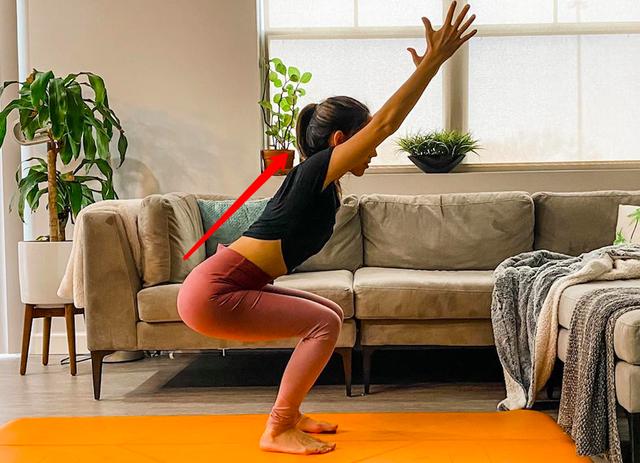
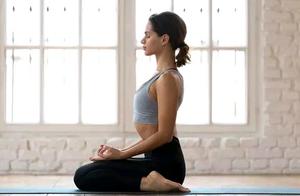
It is crucial to learn and practice a correct sitting posture. Yoga has a posture called ‘Leaning Forward’ () which can effectively correct your posture. ‘Leaning Forward’ is a yoga posture where the practitioner sits as if on a virtual chair. At first glance, this posture seems like sitting on a phantom chair. During this posture, the thigh muscles contract and the back muscles contract, making it a challenging exercise. Through this posture, we can effectively strengthen the back muscles. Remember this posture and apply it to your daily sitting habits to correct improper postures.
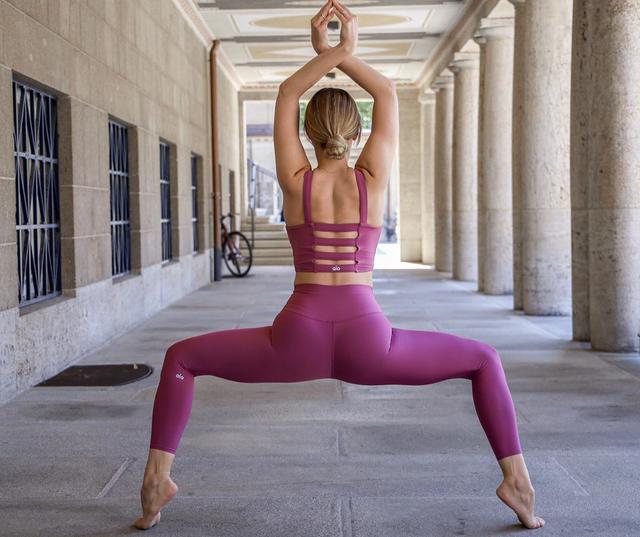
Although ‘Leaning Forward’ is beneficial, it's also a posture that's easy to execute incorrectly. Some believe it’s a tightrope walk between good and bad. The common mistakes in ‘Leaning Forward’ are actually the pitfalls we should avoid in our daily sedentary behavior. Therefore, practicing ‘Leaning Forward’ is essential to strengthen our body awareness and improve our posture.
Let’s first look at the appearance of ‘Leaning Forward’ through a diagram:
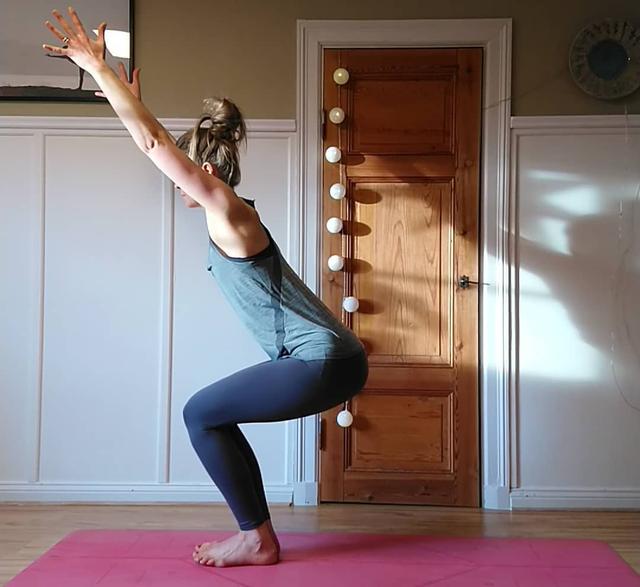
The actual appearance is not detailed enough. Yoga is a highly refined fitness method, and many details are worth studying. If the details are done well, we can strengthen our body and be full of energy. If done incorrectly, it won’t be beneficial and can even harm us.
The key points can be seen through the following comparison diagram:
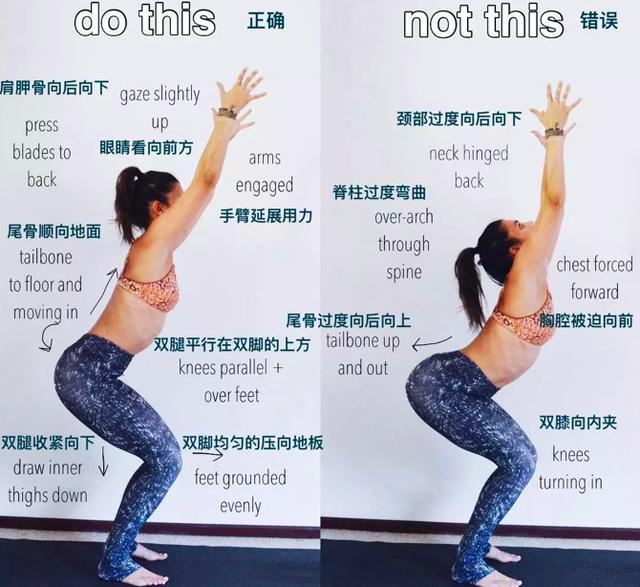
From bottom to top, we need to focus on the following points:
1, ‘Evenly distribute the force on the soles of your feet’ This is a principle that should be followed in standing yoga postures, and it’s a habit we should cultivate in our daily lives. There’s a trick to evenly distributing the force on the soles of your feet: first, hook your toes to find the sensation of the metatarsal bones contacting the ground, and then let your toes spread and drop.
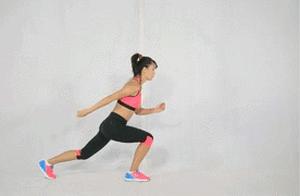
2, ‘The position of the knees’ When the inner and outer sides of the thighs don't match, it can cause the knees to turn outwards or inwards, which can damage our knee joints. Therefore, when practicing, we should consciously contract the inner or outer muscles to align the knees with the toes.
Another point is that the knees should not extend beyond the toes. This is a safer option for beginners. Experienced yoga practitioners familiar with their bodies may lower their squats further, and some may have their knees extend beyond their toes. This is not something beginners should imitate.
3, ‘Hip flexion’ Many people mistakenly believe that ‘Leaning Forward’ is a knee bend, which is a literal misunderstanding. Here, ‘hip flexion’ is the truly active process. Through hip flexion, the center of gravity of the body shifts slightly forward, and the weight of the body is effectively transmitted to both feet. This creates more space for the spine to extend. If you don’t flex your hips, the muscles on the back of the body will resist the lengthening of the muscles on the front side, inevitably causing the waist to press forward, which, over time, will damage the waist.
4, ‘Spinal extension’ Spinal extension is key, and it's a point we should focus on when sitting. In ‘Leaning Forward’, extend the spine, and the pressure on the spine will be minimized. In addition, by resisting gravity, we can strengthen the muscles surrounding the spine. Strengthening these muscles can effectively correct our posture.
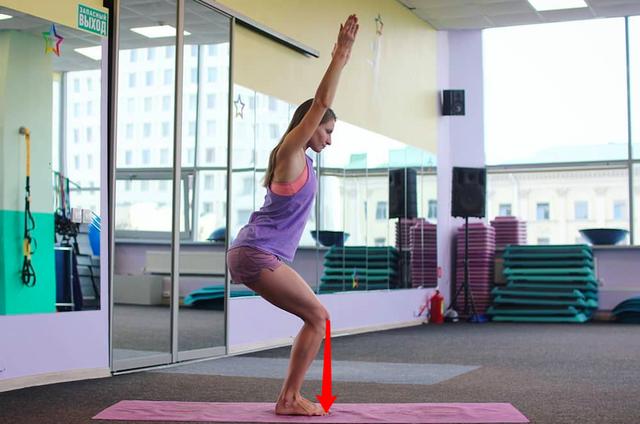
A common error in ‘Leaning Forward’ is waist slump. At this time, we should allow the tailbone to move inward and downward, and the spine returns to the correct position. If you cannot find the state of spinal extension, then first lower your hands to a height parallel to the ground and look down.
4