Rest or Exercise? What to Do for Lumbar Disc Herniation?
Many patients with lumbar disc herniation who go to the hospital for diagnosis are advised to bed rest. Some patients are also advised to do some rehabilitation exercises for the waist and back muscles. This action and stillness, which one is better? Or should they be done together? Today, Professor Li Weinan from the Air Force Military Medical University, Dachang Hospital's Department of Orthopedics, will tell you about these two methods.

When should you bed rest? What should you pay attention to?
Bed rest is one of the conservative treatment methods for lumbar disc herniation. Bed rest can effectively relieve pain symptoms, and they may gradually disappear. Absolute bed rest helps to improve vascular circulation, remove edema, and accelerate the elimination of inflammation; avoiding walking or movement repeatedly stimulates the nerves in the spinal canal, which can alleviate pain.
For patients with lumbar disc herniation, the pain is severe during the acute phase, making it difficult to stand and walk, especially within one week of injury, it is advisable to bed rest as much as possible. This is mainly to give the body time to recover and reduce the secondary damage caused by excessive load on the waist. Early rest is crucial.

However, there are many misconceptions about bed rest, and you should pay attention to the following points.
1, The issue of hard bed
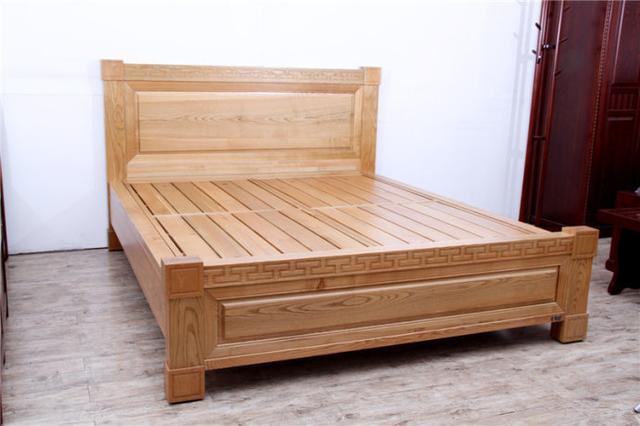
Regarding the issue of a hard bed, many patients understand that it means lying on a wooden board or covering only a thin mattress on the ground, in fact, this understanding is incorrect. In fact, a too-hard bed is not conducive to relieving patient symptoms and may even worsen the condition. Lying on a too-hard bed cannot maintain the spinal curve, which is not conducive to relieving waist fatigue, and the waist muscles need to bear greater pressure, which may lead to muscle strain in the waist, and the symptoms may worsen.
It is recommended to use a Simmons bed with one side hard (generally, Simmons beds have one side hard and one side soft, it is recommended to use the hard side). For example, latex mattresses or memory foam mattresses… placing a 5-10cm latex mattress on a wooden board will have a suitable hardness. A completely wooden bed is not good for patients with lumbar disc herniation.
2, 24-hour absolute bed rest
Whether lumbar disc herniation patients need to bed rest is a matter of debate. As for whether absolute bed rest, meaning not getting out of bed to eat and go to the bathroom, is necessary, it is completely unnecessary. Occasionally getting out of bed to eat and solve physiological needs will not affect treatment. Some patients cannot get out of bed because of severe pain symptoms.
Therefore, it is not recommended for patients with lumbar disc herniation to lie in bed for weeks, bed rest time will make the waist and back muscles more prone to atrophy, and the stability of the spine will further decrease. In the long run, this is not conducive to the recovery of the disease.
Professor Li Weinan explained: There was a patient with lumbar disc herniation who came to the clinic for diagnosis. When we saw the patient's imaging data, all the doctors were surprised! The patient's spine was straight, without any curve! The reason was that the doctor advised him to lie on a hard bed, and he had been lying on a hard bed for many years. Even when the pain symptoms worsened, he still insisted on it. It made the condition worse.
Detailed caseDoes a hard bed really do good for the waist?
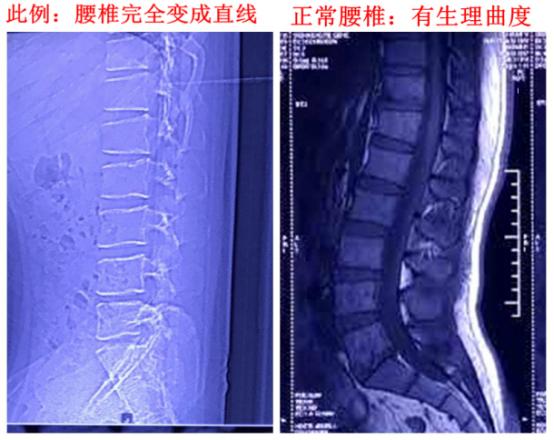
She turned her waist into a straight line…
When should you do waist and back muscle exercises? What should you pay attention to?
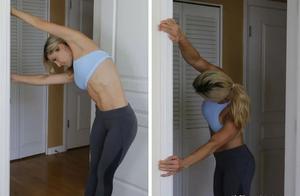
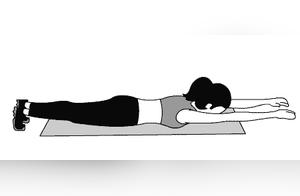
When the patient is in a stable period without symptoms, appropriate exercise can be done. Through physical exercise, activate the existing muscles of the waist and back, activate the muscle is a dynamic stabilization system, its strength increases, the protective effect on the spine will be enhanced. For patients with symptoms basically gone, you can do some gentle waist and back muscle exercises, gradually, gradually, it is better to go fast and not to get it.
However, you should also pay attention:
If you are in an acute attack, it is not recommended to exercise at this time, this time should be rested, do not do strenuous activities, add to the waist's burden.
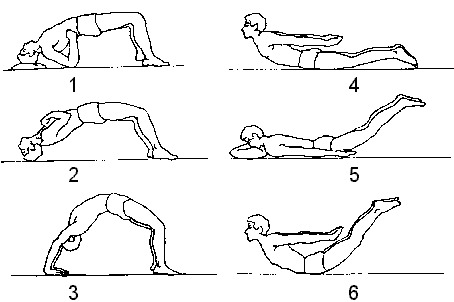
When lumbar disc herniation patients are not symptomatic, they can do some gentle waist and back muscle exercises, including slow running, swimming, and walking. But avoid strenuous exercises such as badminton, tennis, basketball, football, etc.