How to Improve Core Strength? 5 Fitness Ball Core Training Techniques to Quickly Boost Efficiency
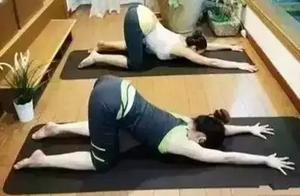
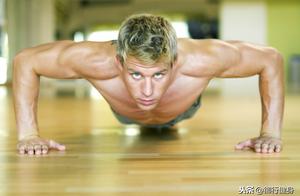
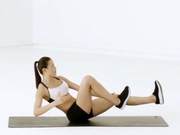
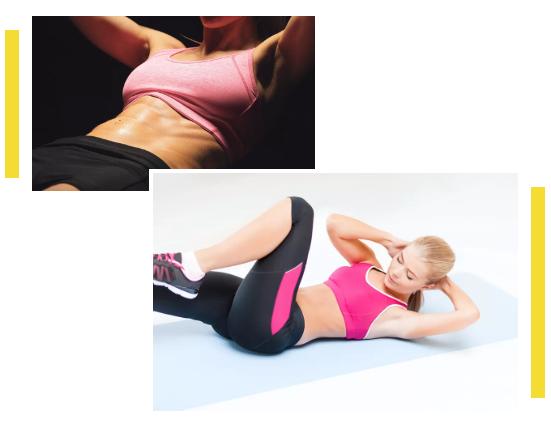
In fitness, 'core training' is no stranger to fitness enthusiasts. The reason why the core has received so much attention is because all of our activities originate from the core zone, are combined with the core zone, or are provided by the core zone for stability. It's like a bridge connecting the upper limbs and lower limbs, helping to transmit energy up and down, and it's the mainstay of almost all our activities, including daily activities, leisure and entertainment, and high-level sports.In recent years, the importance of the core has been increasingly recognized, and core training has almost become a compulsory project for fitness enthusiasts. This type of core training action will probably not be unfamiliar to you: Abdominal curl series
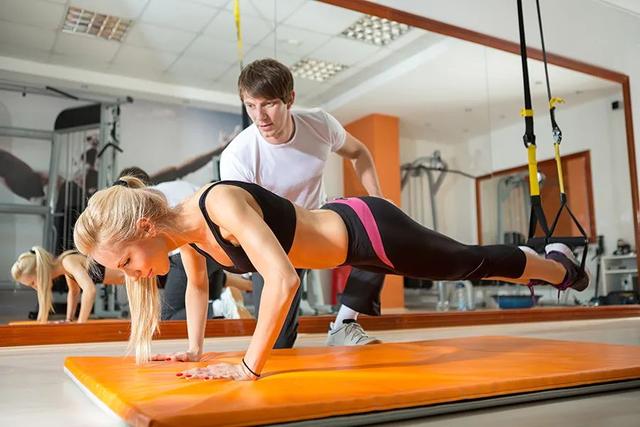
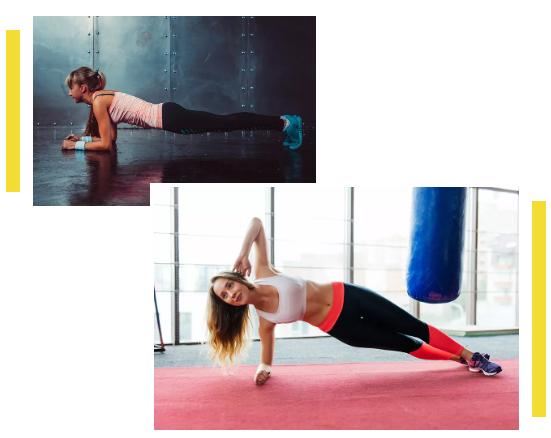
Plank series
Today we are going to share the use of fitness ball for core training. Its uniqueness lies in the fact that the ball is soft and unstable when sitting, which is not easy to control, so it's actually its unique feature, allowing you to exercise more muscles in an unstable state. Your core will be forced to stabilize, which will stimulate the body's natural reflexes to maintain correct posture and achieve stability.
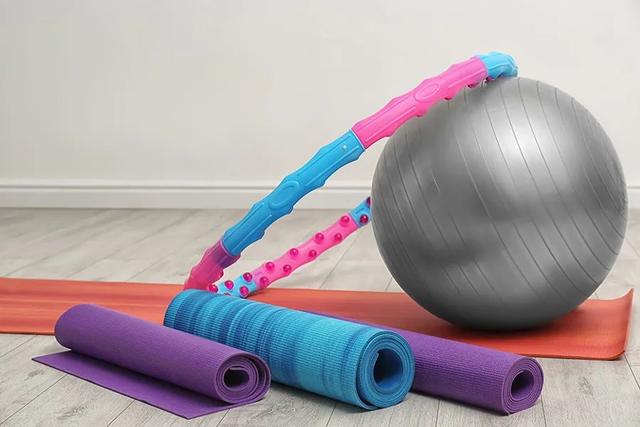
Fitness balls come in different sizes, and in an ideal situation, you should choose one that, when sitting, the thighs can be kept at a level with the ground. The more inflated the ball, the more difficult it is to maintain balance.
How can fitness balls be used for stable core training? Are you ready for the challenge?
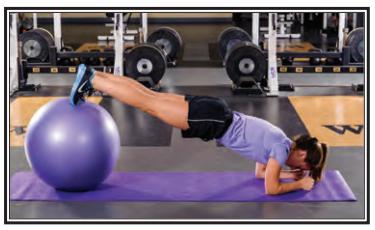
1. Elbow Plank (unstable lower limb, lower limb high position)Precautions
1. Both knees are on the ball.
2. Both ankles are on the ball.
3. Both palms and toes are on the ball.
1. Both feet are placed on the stability ball, or on a slightly unstable device on a raised platform. Note that ensure the unstable device is relatively safe on the raised platform.
2. Elbows and forearms are placed on the ground, and the upper body is raised, with some part of the lower body in contact with the unstable device.
2. Mountain climbing (unstable lower limb, lower limb high position, double knee fold)
Precautions
1. Both knee joints are on the ball.
2. Both ankles are on the ball.
3. Both palms and toes are on the ball.
1. Part of the lower body is on the stability ball.
2. The upper body is lifted, with the contact points only being the lower body of the stability ball and the hands on the lower side of the body.
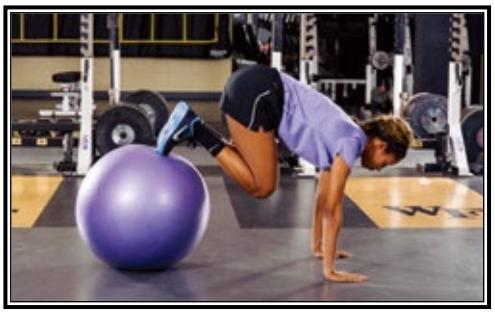
3. Stabilize the upper body, especially the shoulder joint complex.
4. Lift the hips towards the ceiling, and draw the knees towards the chest (fold the torso).
5. Stretch the hips and knees, and return to the starting position.
3. Elbow Side Plank (unstable upper limb, arm and leg extension, upper limb high position)
1. In the elbow side plank posture, put the lower elbow and forearm on a stability ball.
2. The upper body is lifted, with the contact points being the elbow and forearm on the stability ball, as well as the lower side foot on the side.
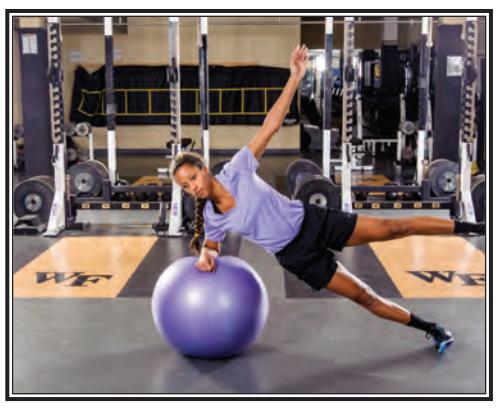
3. Extend the arms outwards towards the ceiling (brow-shaped face), with the arms vertical and aligned with the lower arms (from top to bottom, from the wrists to the elbows and shoulders, to the other shoulder and elbow, forming a straight line).
4. At the same time, lift the lower leg away from the other leg. Keep the other leg straight, and align the foot with the other leg. During the extension, slightly inward rotating the foot on the upper side will fully utilize the gluteus medius (especially the gluteus medius).
4. Stability ball single-leg bridge
1. Lie face up on a stability ball (supine), with the shoulders and head supported on the ball, and the lower waist and hip are drooping towards the ground (but not touching the ground).
2. Smoothly lift the hips, away from the ground, until fully extended, but do not overstretch (avoid excessive arching of the lumbar spine). At the top position, both knees should be bent at a 90-degree angle, and the torso should be parallel to the ground.
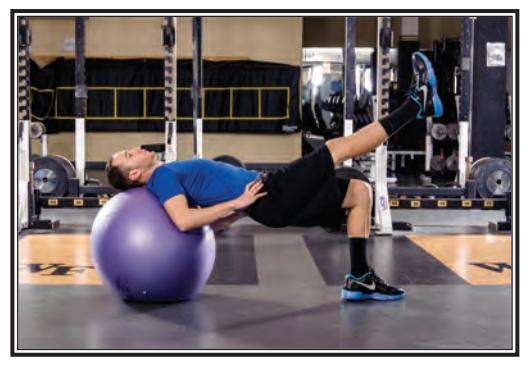
3. At the top position, extend one leg until its distance from the ground is approximately equal to the ground. In this posture, the contact points are only the foot on the ground and the double shoulders and the back of the head on the stability ball.
4. Finally, return the leg to the ground, and continue to practice with the same side leg or the other leg.
5. Stability ball hip lift
1. Lie face up on the ground, bend your knees, and place your heels directly on the upper end of the stability ball, with your toes pointing to the ceiling (ankle dorsiflexion), and your hands on your hips.
2. Tighten the gluteus maximus and core muscles.
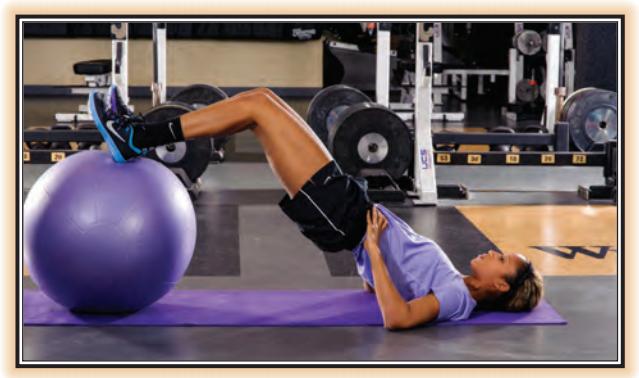
3. Smoothly lift the hips, away from the ground, until fully extended, but not overstretched (avoid excessive arching of the lumbar spine). The knees, hips, and shoulders should be in a straight line. During the upward lift of the hips, the knees should be bent at a 90-degree angle.
4. At the top position, the knees should be bent at a 90-degree angle, at this time, the contact points are only the heel of the foot on the stability ball and the shoulders and the back of the head on the ground.
5. Finally, slowly lower the hips to the ground, and return to the starting position.
6. Repeat the exercise according to the predetermined number or time.
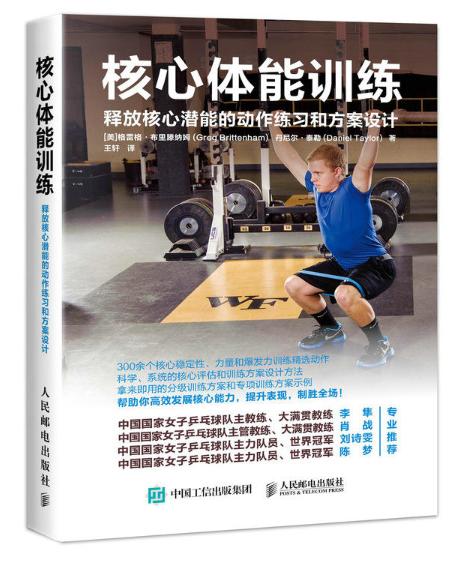
The above content comes from 'Core Fitness – Release Core Potential Action Exercises and Design Schemes' by People's Post and Telecommunications Press, copyright, please retain book title, cover, and publisher information when translating.
6.