Is Creatine Really Necessary? All You Need to Know About Creatine
Don't waste valuable time looking at already known knowledge, please read the directory to find the information you need
- What is creatine? How is it manufactured?
- What are the benefits of taking creatine?
- What creatine should we consume? What dosage is most effective?
- When should creatine be used? Should you take it before or after training?
- Does stopping creatine use affect overall training?
- Who is suitable for using creatine?
- If I don't feel a strength improvement while taking creatine, should I stop or increase the dosage?
- Is creatine suitable for long-distance endurance running?
- Can sports drinks replace creatine?
- Is creatine an essential supplement? Or can we get enough creatine from food?
- Precautions when using creatine for bodybuilding competitions?
- Will creatine cause weight gain?
- Will creatine cause your body to store water?
- Can creatine cause hair loss?
- Do I need to stop taking creatine for a week after a period of use?
- Can long-term creatine use damage organs?
- What are the differences between creatine and BCAAs?
- They say creatine causes water retention and bloating, should I drink more water?
- Can creatine boost testosterone?
- Do different brands with the same dosage affect the effect?
- Is it okay for beginners to take creatine?
- What if I miss a week?
- If I drink whey protein, do I still need to take creatine?
- Should seniors also take creatine or only young people need it?
- Can I add creatine to other supplements?
- Are there dosage differences for men and women?
- Is creatine helpful for vegetarians?
- Is creatine a must-have supplement?
1. What is creatine? How is it manufactured?
Creatine is a naturally occurring substance found in the human and animal body, mainly stored in muscles. For humans, our liver, kidneys, and pancreas produce small amounts of creatine.
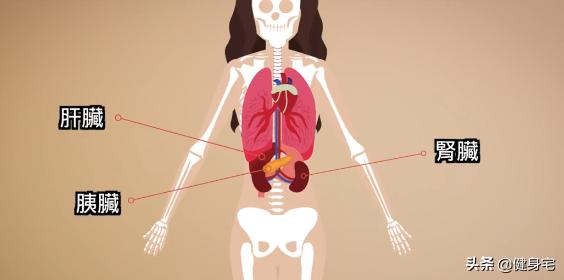
Our bodies produce about 1g of creatine per day, and we can also supplement creatine by consuming meat, poultry, fish, and supplements.
2. What are the benefits of taking creatine?
The biggest benefit of taking creatine is to increase muscle mass, increase strength, enhance performance, assist in repair, and help prevent injuries, etc.
3. What creatine should we consume? What dosage is most effective?
If you have never taken creatine before, you may consider an creatine loading phase, taking about 5g of creatine at a time, 4 times a day, for 7 days. After 7 days, you can continue to take 3-5g daily to maintain a high level of creatine in your muscles. Research shows that to gain any benefit from creatine, you first need to saturate your muscles with creatine, and it takes longer to achieve this condition.
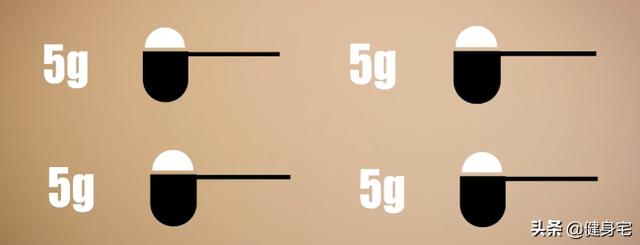
4. When should creatine be used? Should you take it before or after training?
Some research suggests that taking it immediately after training may be more effective, but consistent daily intake is more important than the timing of intake.
5. Does stopping creatine use affect overall training?
It may depend on how long you stop taking creatine, and you don't really need to stop or cycle creatine intake, you can take creatine continuously for a long time.
6. Who is suitable for using creatine?
Adults, teenagers, and seniors can take creatine, but when it comes to teenagers, it must be done under supervision, during challenge competitions, eating a balanced diet and improving performance, familiarizing yourself with the use of creatine, and not exceeding the recommended dosage.

7. If I don't feel a strength improvement while taking creatine, should I stop or increase the dosage?
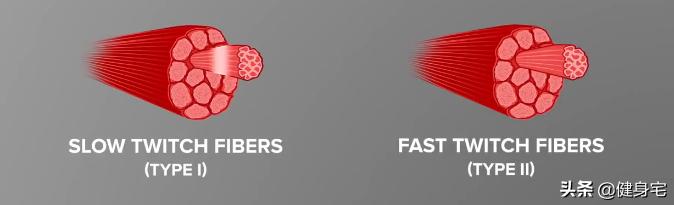
Research shows that not everyone benefits from taking creatine, even at recommended dosages, some people don't react to creatine. People with more Type II muscle fibers respond better than those with more Type I muscle fibers. Even if creatine works for you, you may still benefit in certain situations.
8. Is creatine suitable for long-distance endurance running?
Creatine is most effective in short, high-intensity, anaerobic workouts, it is not effective for endurance workouts lasting more than 150 seconds.

Some research suggests that creatine can help muscle hydration, which can help athletes better tolerate heat.
9. Can sports drinks replace creatine?

It is better to store creatine in solid form rather than liquid.
10. Is creatine an essential supplement? Or can we get enough creatine from food?
Even if our bodies produce creatine, we can also obtain creatine by eating it, but it cannot bring any benefits. We need to consume about a kilogram of red meat per day to obtain a dose of 5g, which is why creatine supplements are a better choice.
11. Precautions when using creatine for bodybuilding competitions?
Drink plenty of water, during the creatine loading phase, you may experience stomach cramps.
12. Will creatine cause weight gain?
Yes, creatine will cause weight gain, but the weight gain from creatine is net weight, not fat.
13. Will creatine cause your body to store water?
Creatine will cause your body to store water, but mainly in muscles, making muscles look fuller and more voluminous.
14. Can creatine cause hair loss?
Taking creatine can increase DHT, which is a derivative of testosterone, and may cause male pattern baldness, but the research is not conclusive whether it will cause hair loss, but as baldness is strong, everyone knows.
15. Do I need to stop taking creatine for a week after a period of use?
Creatine is not a drug, so you don't need to cycle it, just take it regularly.
16. Can long-term creatine use damage organs?

Creatine is safe and will not damage organs. There is no strong evidence to prove that long-term creatine use can damage organs.
17. What are the differences between creatine and BCAAs?

There are many differences between the two, BCAAs are essential amino acids, while creatine is an amino acid derivative, to synthesize creatine, our bodies need amino acids, such as glycine, arginine, methionine, and three sulfites. The biggest difference between the two is that creatine has been proven effective, while BCAAs have not been proven.
18. They say creatine causes water retention and bloating, should I drink more water?
If you take a large amount of creatine and don't drink enough water, you may experience diarrhea and stomach cramps, so drink plenty of water.
19. Can creatine boost testosterone?

Creatine will not boost testosterone, hormones are not just hundreds of dollars.
20. Do different brands with the same dosage affect the effect?
Yes, as long as you are using a monohydrate creatine, the brand does not affect.
21. Is it okay for beginners to take creatine?
It's okay to take it, but it's not necessary, as a beginner, you should focus on key details rather than minor details. Isn't it more enjoyable to eat a lot of big fish and meat without worrying about it?
22. What if I miss a week?
You should try to take creatine continuously, so that it becomes a habit, but if you miss one day, it will not have any impact, because it takes several days for creatine levels to decrease.
23. If I drink whey protein, do I still need to take creatine?
You can still take creatine.
24. Should seniors also take creatine or only young people need it?
Seniors can also take creatine and benefit from it, as with age, muscle mass decreases and muscle quality declines. Therefore, it is considered to give seniors creatine, of course, you must consult a doctor.
25. Can I add creatine to other supplements?
Yes.
26. Do men and women have dosage differences?
There are no differences, men and women take the same dosage of creatine.
27. Is creatine helpful for vegetarians?

Vegetarians can also take creatine, because vegetarians have very low creatine levels in their bodies, so they don't eat animal products, so supplementing creatine is a good choice, and compared to meat-eaters, vegetarians can feel the benefits of creatine more.
28. Is creatine a must-have supplement?
No, creatine is not a must-have supplement, not taking it will not cause the sky to collapse, and it will not be ineffective if you don't increase muscle mass. Supplements are just extra additions, the most important thing is our good habits.