Pain Relief for Uneven Legs: How to Solve the Problem of Long and Short Legs!
1.7 meters... 1.8 meters... 1.7 meters... 1.8 meters...
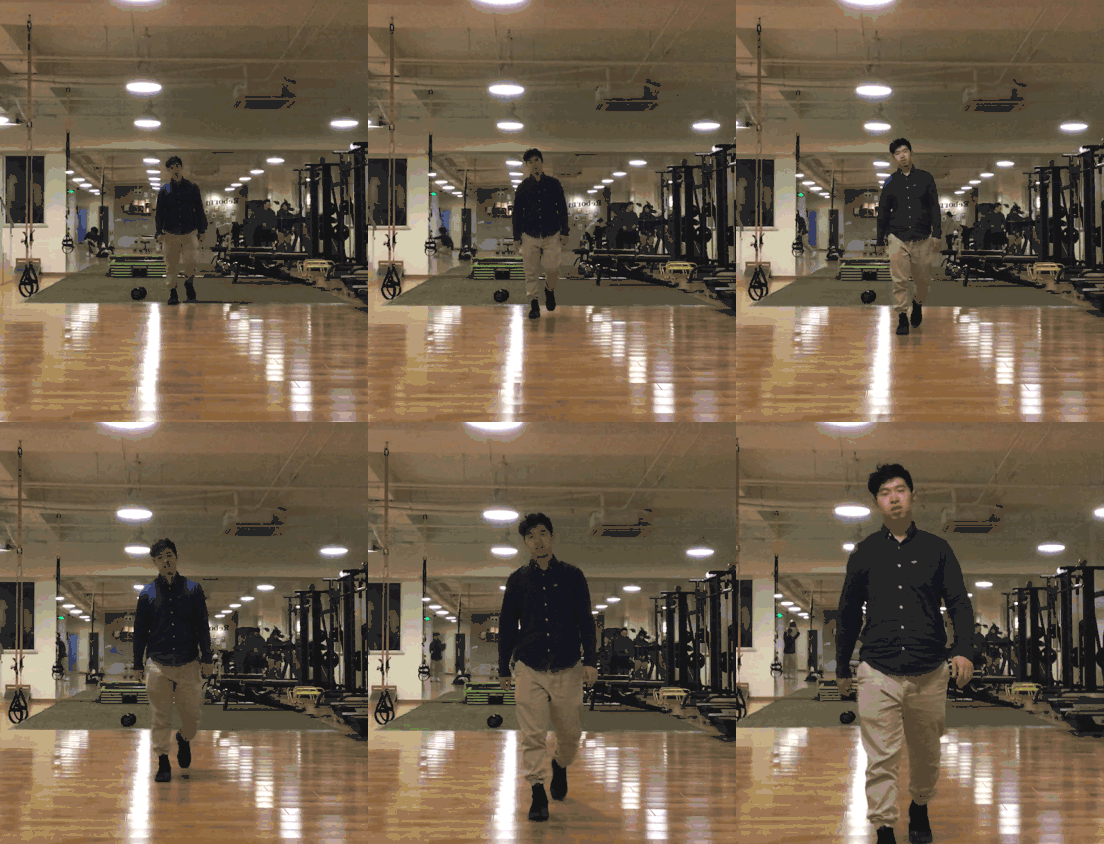
Do you feel your foot falls one step deeper, one step shallower when walking, with a sway to the left and right?
Do you notice that one shoe is worn more than the other?
Do you feel one side of your legs gets tired sooner when you stand for a long time?
If you experience the above, have you observed yourtwo legs are the same length??
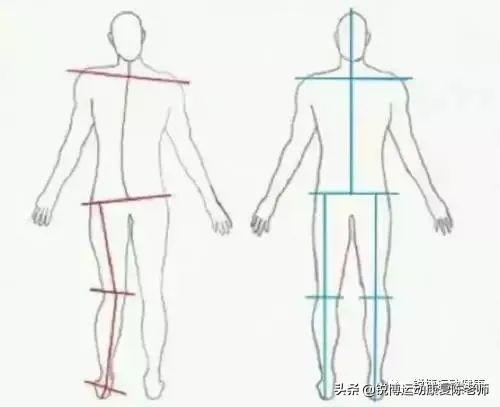
Recently, many rehabilitation patients have founddifferences in leg length.Symptoms range from mild imbalance with no apparent awareness to severe cases causing pain on one side of theknee and waist.Long leg classification
Long legs are primarily divided into two types.
01 Structural long legs
Structural long legs refer to one side of the bone actually being longer due to
injuriesorcongenital reasonsresulting in a significant difference between the two sides when measured using the distance from the iliac crest (the prominent area you can touch on both sides of the pelvis) to the ankle.02 Functional long legs
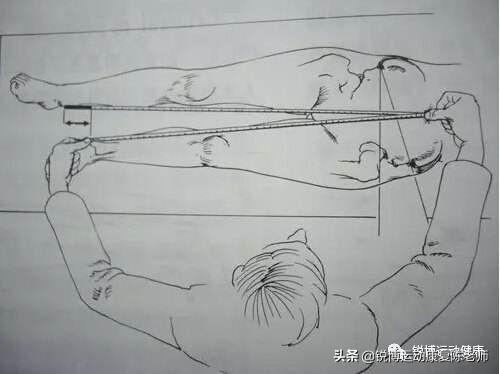
Structural long legs, which are caused by
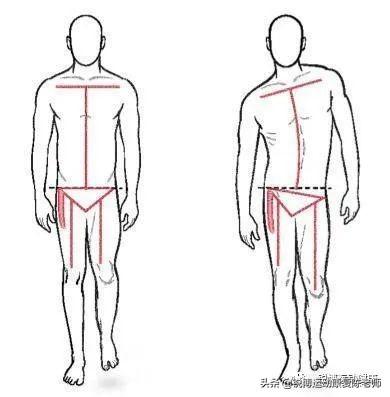
after years of development, are very common in the population. According to the method mentioned above, there is no obvious difference when measuring the length of both legs, but when lying down and placing both feet together, they cannot be aligned. This is usually caused by the inclination and rotation of the pelvis.The performance of functional long legsThe essence of functional long legs is primarily due tochanges in the position of the pelvis.
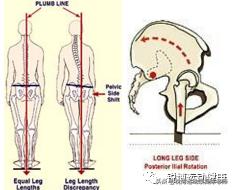
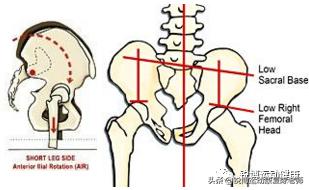
The long leg has the pelvisrelatively forward tilt, which drives the hip joint downwards, while the short leg has the pelvisrelatively backward tilt, which drives the hip joint upwards. The two pelvisesrelatively rotatedresulting in a side tilt. Even if the actual leg length is consistent, it appears as one long and one short.The impact of functional long legsAfter functional long legs form, due to the inclination and rotation of the pelvis, it is also easy to cause the
spine
to bend unilaterally, presenting symptoms such as single-sided waist pain and uneven shoulders.
The causes of functional long legs
01 Bad habits
Some friends often like to put
the center of gravity on one leg when standing, similar to a resting posture, to save some effort. However, this leads to an imbalance of the pelvis and shortens the weight-bearing leg.
02 Uneven bilateral waist and back muscles
Spinal curvatureorpoor sitting posture
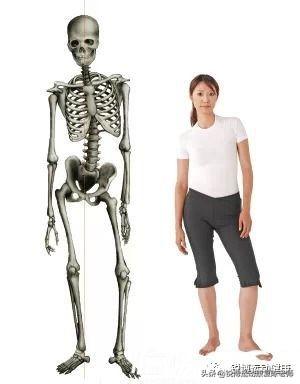
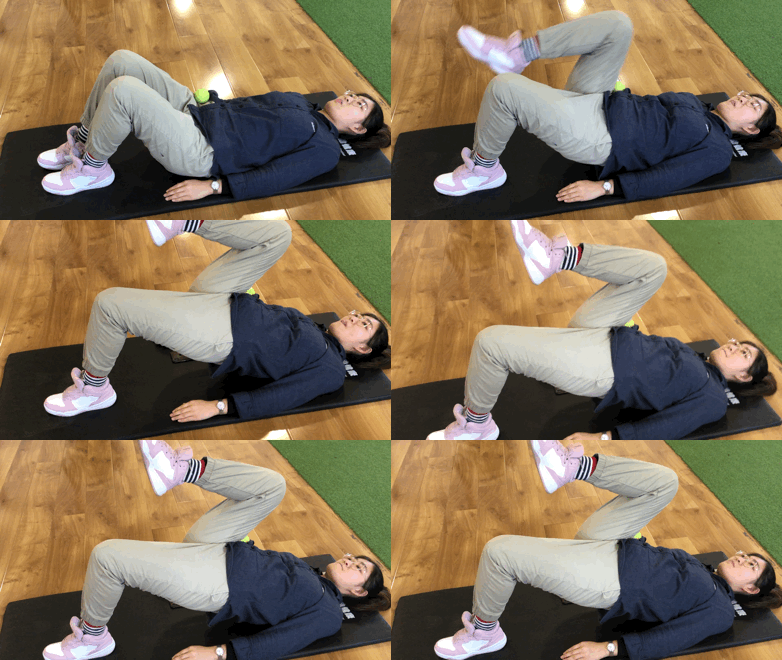
can lead to an imbalance of the bilateral waist and back muscles, which can directly cause pelvic side tilt, resulting in functional long legs.03 Avoid pain gaitMany patients with single-knee or ankle injuries instinctively adopt a gait to avoid pain, putting the center of gravity on the healthy side, which leads to muscle atrophy and can also cause functional long legs.Therefore, it is important to put the center of gravity between the two legs and maintain an upright posture in daily life to avoid functional long legs.Methods for correcting functional long legsFinally, let me teach you several simple and feasiblemethods to correct functional long legs.
Short leg single-leg bridge
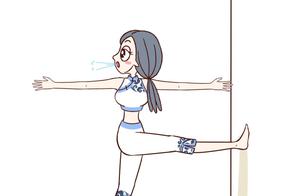
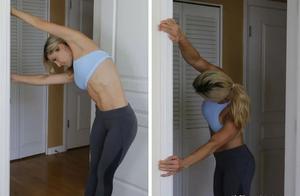
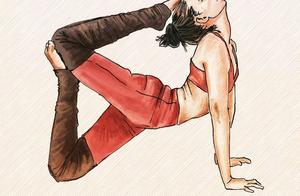
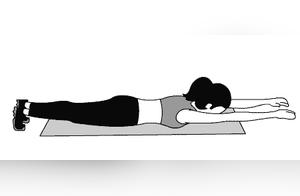
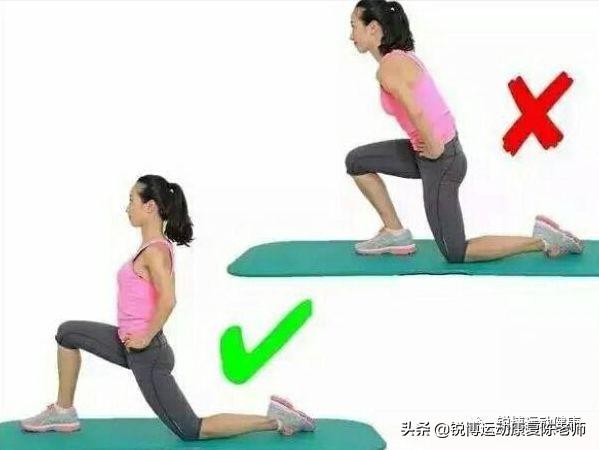
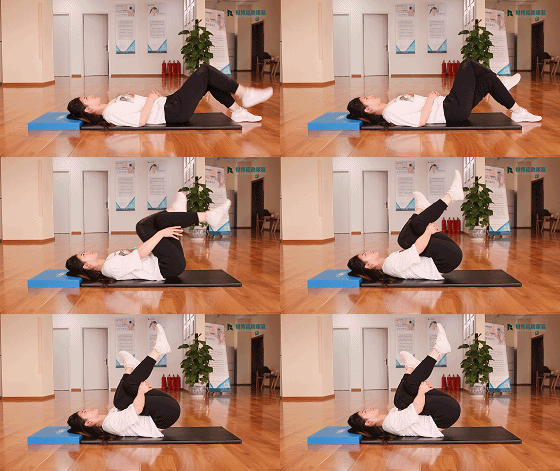
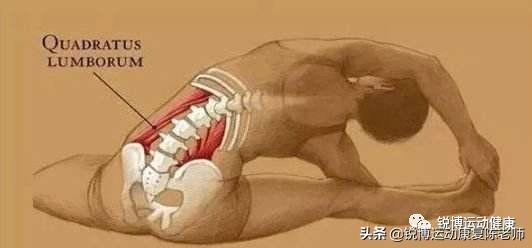
At the same time, hold a tennis ball with the long leg, bend the hip and knee, and keep it raised for about 30 seconds until the muscles are fatigued.In addition, you canstretch the iliac muscle on the short sidestretch the gluteus maximus of the long sidestretch the quadratus lumborum
change bad habits
Once functional long legs are corrected, maintain the new posture and center of gravity to
change the original bad habitsIf it's still in the same posture as before, functional long legs will quickly reappear.Today's Sharp Knowledge Classroom is over, we'll see you next time! Do you have any questions about long legs? Leave a comment below, and we'll help you answer them~——END——
02
03
30
~
——END——