Supplements Most Loved by Fitness Enthusiasts During Fat Loss
Some people become very unhappy after gaining weight and will seriously research various methods to lose fat.
So, people often ask whether creatine should be used during fat loss.
First, let's take a look at the principle of creatine.
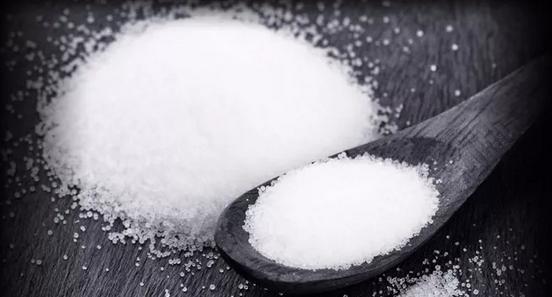
Creatine supplements work by increasing the levels of phosphocreatine in the body. Phosphocreatine is a high-energy phosphate, and ATP, a high-energy phosphate bond compound, is a component of the human energy supply. It can improve athletic performance and increase lean body mass by increasing cell volume.
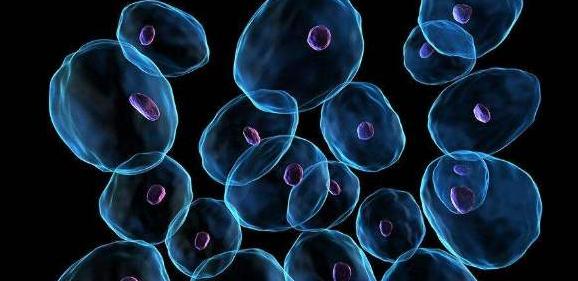
Simply put, taking creatine is like injecting more water into muscle cells, stimulating muscle synthesis, because larger cells are typically synthesized cells.
Creatine should be one of the most researched and effective supplements, effectively increasing lean body mass, improving strength, promoting muscle growth, and enhancing athletic performance.
Overall, creatine is a very good supplement and is also very affordable. Creatine monohydrate is the cheapest and simplest form, and it has been proven to increase phosphocreatine levels by 100%, so creatine monohydrate is your best choice. Avoid other miscellaneous creatine supplements.
So, should creatine be taken during fat loss?
Many people believe that creatine should not be used during fat loss because it causes water retention.
Even if creatine causes water retention, water is not fat tissue. Water is part of lean body mass. Therefore, you shouldn't avoid taking creatine because of water.
It's true that creatine can cause water retention. But it's important to understand where the water is stored – it's stored in muscle cells, which is a good thing. This will make your physique look better, not worse.
Some women are afraid of taking creatine because of water retention and the increase in weight on the scale. In fact, you need to overcome this psychological barrier and understand that it's lean body mass that's being increased, not fat.
In fact, creatine should be taken during a calorie deficit period. Taking creatine can help address these issues.
● When glycogen intake decreases during fat loss, cells lose water.
● During calorie restriction, athletic performance can be affected.
Maintaining cell hydration and volume makes it easier for the body to stay in anabolism.
Creatine does not affect the fat loss process. Creatine has a low calorie content – 5g of creatine contains about 20 calories. It's not a reason why you can't lose fat by consuming more creatine.
Overall, creatine is beneficial for fat loss.
There are generally two ways to eat it
● You can take the maintenance dose, 3-5g per day, and after about a month, creatine will reach saturation in the body.
● If you want to see faster results, you can take 20g per day for 5-7 days, and you'll reach saturation in about a week, then switch back to the maintenance dose.
TIPS: For some people, taking creatine may cause gastrointestinal discomfort. If this happens, recommend the maintenance dose, and you can still get the same effect after a month.