Professional: What to Do if Your Knee Joint is Injured? Doctor: These 5 Points for Prevention are Most Effective
In the previous content, we explained that ACL injuries are divided into non-contact injuries and contact injuries.
Non-contact ACL injuries may occur in various sports, most often appearing in sudden speed changes or when a large amount of force is generated in the joint, such as sudden acceleration or deceleration, the leg quickly changing the direction of movement, lateral cuts, jumping landing, rotation, etc. After clarifying the mechanism of ACL injury and the risk factors for injury, let's explore how to prevent ACL injury.
I. Knee brace
Knee brace has three types, namely rehabilitation brace, protective brace and functional brace. Among them, the main purpose of the functional brace is to prevent ACL injury of the knee joint. In the functional brace, there is also a brace specifically designed to prevent ACL injury. The main function of this knee brace is to increase the stability of the knee joint and limit knee extension or external rotation.
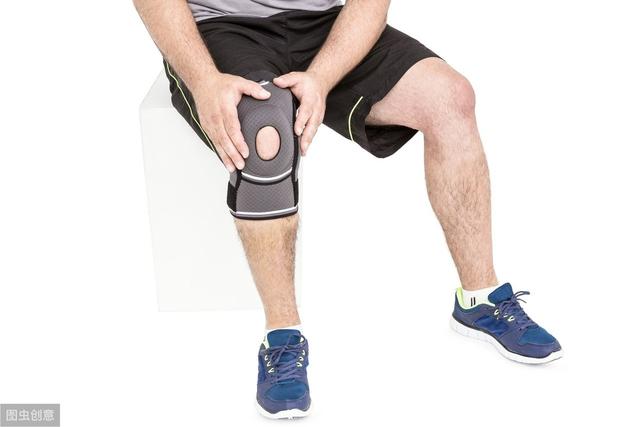
Currently, most studies only indirectly prove that wearing knee braces has a certain effect in preventing ACL injuries. Through the knee brace's influence on the athlete's movement posture and knee biomechanical characteristics, it is determined to assess the protective effect of knee brace on ACL, but whether wearing a knee brace can truly reduce ACL injury rate still needs further research to prove.
II. Functional training
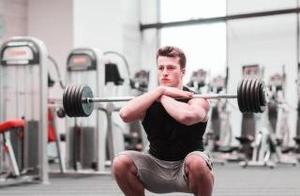
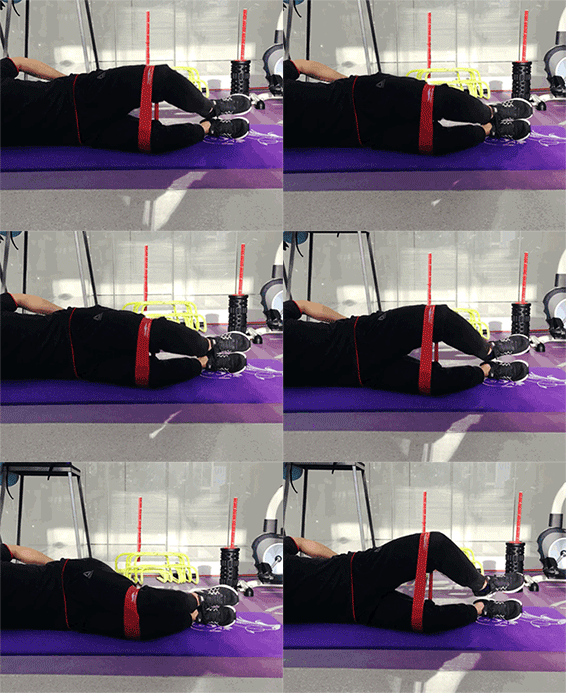
The non-contact ACL injury mechanism indicates that ACL injury is largely due to certain non-standard technical actions caused by athletes themselves. Only by skillfully mastering the correct landing techniques to prevent ACL injury, maintain sufficient knee flexion and trunk forward tilt during exercise. Through training, improve precise, target-oriented actions, and thus convert into target actions specific strength generation and neuromuscular coordination patterns.
III. Proprioceptive training
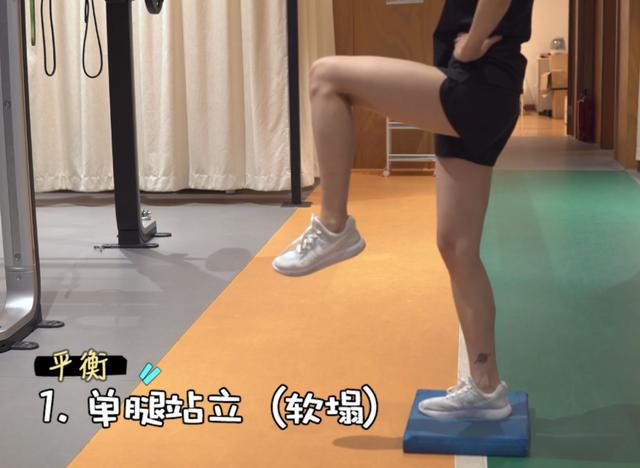
When the athlete's actions require a certain level of stability for the knee joint, proprioceptive training can effectively improve the knee joint stability and coordination of the athlete. By improving the control ability of the lower limb nerves, it can achieve the prevention of ACL injury, improve the cushioning ability after double-foot take-off, and reduce shock absorption ability.
IV. Muscle Strength
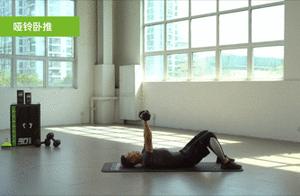
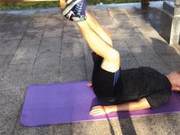
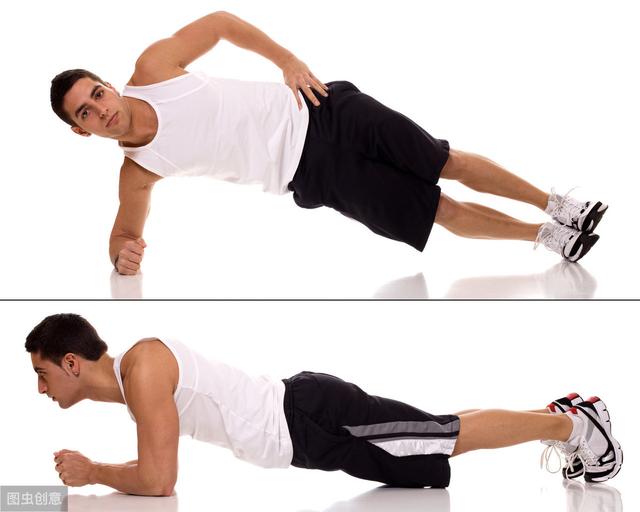
Muscle strength is an important factor in maintaining dynamic stability of the knee joint. The muscle strength of the affected leg's quadriceps and hamstring muscles should be more than 70% of the healthy side, before returning to exercise. Research shows that the ratio of muscle activity of the back of the thigh to the quadriceps muscle is reduced, which will make the tibia move forward, and the tension of the ACL will also increase, and the risk of injury will also be higher. If the muscle strength of the back of the thigh is insufficient, when the athlete suddenly slows down, suddenly changes direction, turns, or lands on one leg, the lower limb muscles do not have enough strength to ensure the stability of the knee joint, the knee joint is likely to cause excessive twisting or injury, therefore the probability of ACL injury is relatively increased.
V. Joint Range of Motion and Flexibility
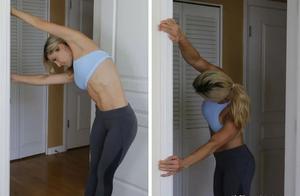
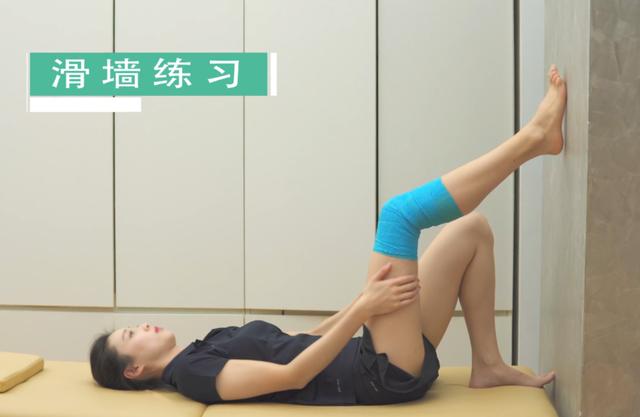
Good joint mobility, the knee can smoothly complete its joint movement, guarantee its own activity ability, and joint flexibility will limit the play of strength, reduce the coordination between muscles and muscle groups, leading to uncoordinated movement. Flexibility plays an important role in improving sports ability, the accuracy of actions, and the balance and coordination of the body.
Past content
Medical Mini-Science: The life of arthroscopy