Can Children Perform Strength Training?
We often hear such words: 'Muscles don't grow if kids do them!' Is it appropriate for teenagers to lift weights? From the perspective of many parents, early strength training for children will affect their development, so they are more willing to let children do gymnastics and running, rather than dismissing weight training. This article will discuss the issue of teenagers lifting weights, and see what's really going on.
Can teenage weightlifting affect growth development
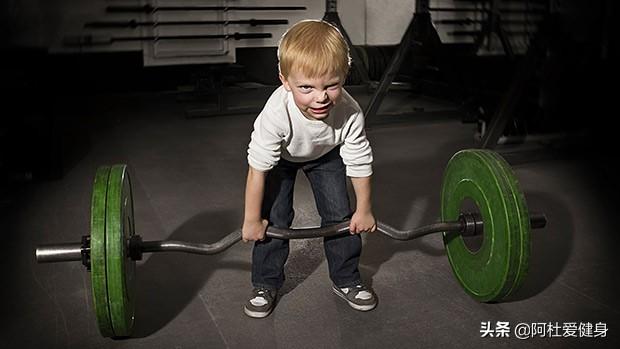
Long-term, the impression in everyone's mind is that small amounts of intense strength training will affect growth development, especially with weightlifting and gymnastics athletes, most of whom are not tall. Therefore, some people think that strength training can damage the bone plates or growth plates.
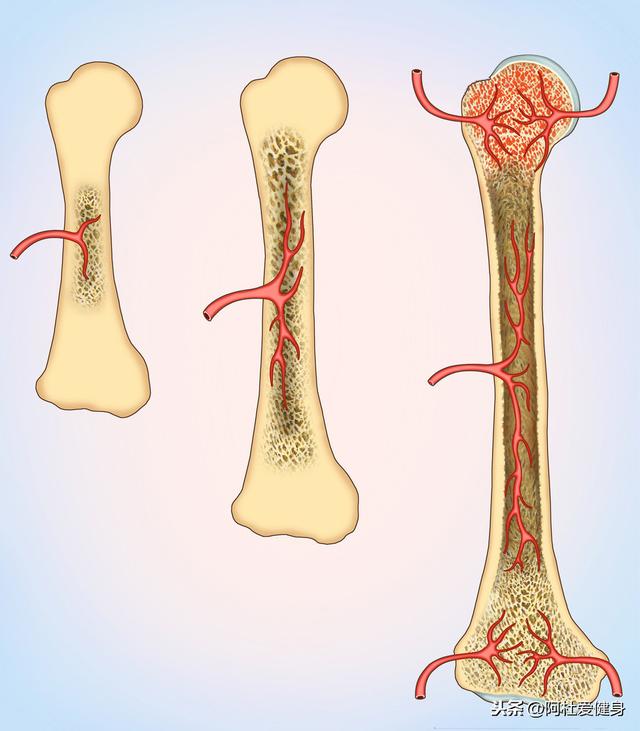
In fact, this kind of bone damage will indeed cause the epiphyseal plates to close prematurely, and the affected joints will stop growing. The undamaged joints will continue to grow. It is important to note that 'damage' will cause the epiphyseal plates to close prematurely, not that strength training itself causes the epiphyseal plates to close prematurely. In the public's impression, weightlifting athletes are often short stature because they started weightlifting from a young age, while basketball players who play basketball are taller because they have more advantages in basketball. So, excellent weightlifting 'young seedlings' will not be looked up by basketball coaches.
There is also the psychological factor. Before the popularity of fitness, the muscular men we saw were mostly short but very muscular. Outside of professional weightlifting athletes, many short men would seek extra muscle to support their inferiority due to their height.
Actually, what truly causes bone growth closure is often due to foolish behaviors, not scientific and reasonable strength training. Therefore, it's biased to say that teenage weightlifting affects growth development.
What impact will teenage weightlifting have?
Teenage weightlifting, or strength training (resistance training), is much better than the negative impacts caused by unfounded 'traditional ideas'. In general, it is still very beneficial for teenagers.
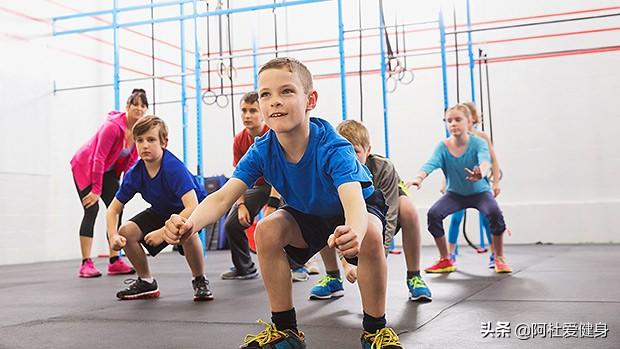
The positive effects of strength training (resistance training) on teenagers:
- Increased strength, at least for pre-pubertal children, it can make the body stronger.
- Moderate reduction in body fat (it won't look like a chubby kid).
- Increased confidence (this applies to people of all ages).
- Promotes synergistic effects, which accelerates the proliferation of nerve cells and the maturation of the central nervous system.
- RFD (rate of force development) improvement, which has an amplifying effect on other activities.
- BSI, which refers to the increase in bone strength index and bone mineral content, helps to prevent injuries caused by other sports.
- Increases tendon strength, which helps to prevent injuries caused by other sports.
As can be seen, scientific, reasonable, and moderate strength training is not only not an obstacle to teenage growth development, but also has considerable benefits.
At what age should teenagers start lifting weights?
The American Academy of Pediatrics' opinion on the relationship between strength training and teenagers is relatively permissive. They said that 'children have almost reached the level of adults in terms of balance and posture control by about 7 or 8 years old'. Strength training programs can include various activities, of course, they must be tailored to the different age stages and physical development of teenagers.
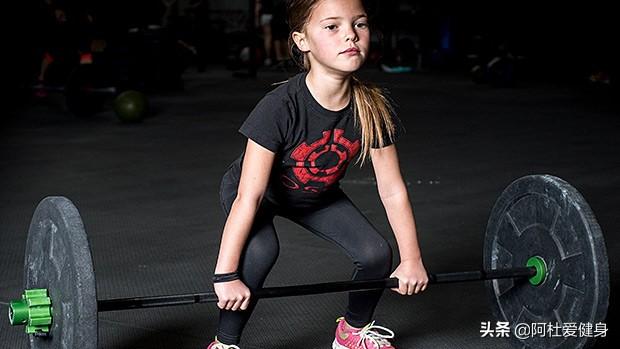
The World Health Organization (WHO) – Academy of Pediatrics and the Australian Government are even more lenient than the US regarding children and weight training. They suggest that children aged 5 to 18 should engage in at least 3 muscle and bone exercises per week.
How should teenagers arrange strength training?
One, the principles that must be followed
Even if teenagers can do strength training, they should arrange it according to the growth and development of children, and should be separated from adults' training. Some thingssome principlesshould also be noted.
- Perform full-body training, train all muscle groups.
- Design programs that are not too strenuous, simple and practical.
- Start with self-weight training (with elastic bands as simple auxiliary equipment), and establish a solid strength foundation, and gradually transition to light weight training.
- You can try some technical training, which allows the teenager's nervous system to better handle these actions.
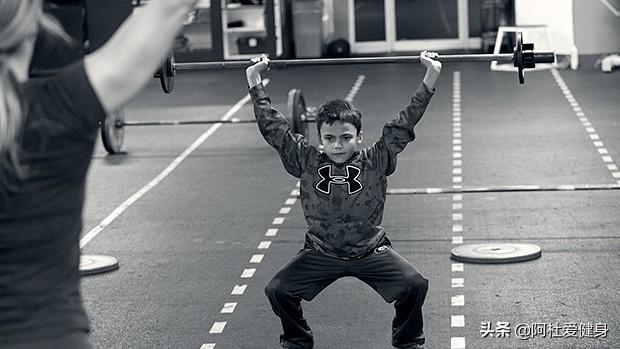
As mentioned above, very young children (approximately 7 years old or younger, depending on their physical and psychological maturity) can start with self-weight exercises such as push-ups, squats, lunges, and planks, or climbing and crawling. After establishing a basic training foundation, the use of simple elastic bands as auxiliary equipment can be planned.
Two, how to determine the intensity of a child's exercise
Children are different from adults, they don't often clearly express the extent of their own exercise, so it is important to prevent children from overtraining. Some basic judgment methods are also important.
- From 0 to 10, sitting is 0, maximum activity level is 10, moderate activity level is 5 or 6.
- When children do moderate activity, their heart rate will increase and their breathing will become faster than when they are resting or sitting, similar to climbing stairs.
- High-intensity activity is 7 or 8. When children do high-intensity activities, their heart rate will be much faster than usual, and their breathing will also be faster than usual, similar to playing 'chase' with classmates at school.
These are the basic methods, pay attention to the child's breathing and physical condition in different states during exercise, which is a reference for judging the child's exercise state.
Three, arrange training according to different age stages
Teenagers grow and develop rapidly, and they need different training focuses in different stages. Here is a rough suggestion for how teenagers should arrange training in different stages, for reference.
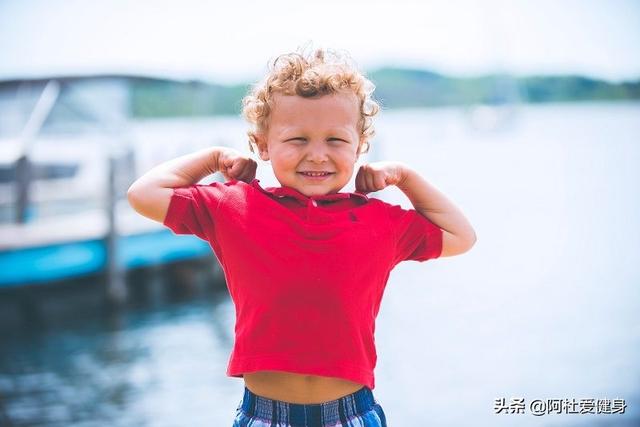
10-12 years old
Training focus:
- Focus on basic training to improve children's body control and mobility.
- Start with self-weight training
- Do not arrange too many repetitive exercises in one group training, leave some leeway.
Training content:
- Self-weight squats and lunges
- Push-ups and pull-ups
- Plank
- Crawling and climbing
13-15 years old
Training focus:
- Use basic exercises to strengthen strength and muscle development,
- Continue to maintain basic exercises, and increase light loads and require higher quality exercises (free weights).
- Do not arrange too many repetitive exercises in one group training, leave some leeway
Training content:
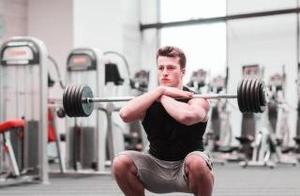
- Under light load conditions: goblet squats, front squats, lunges, push-ups, pull-ups
- Plank, sprints, and jumping exercises
16-18 years old
Training focus:
- Increase the load to promote strength and muscle development
- Continue to maintain basic exercise patterns, and appropriately increase the training capacity, do not exceed the limits of the body
- Combine strength training and aerobic exercise for comprehensive development
Training content:
- Under appropriate load conditions: squats, deadlifts, bench presses, and larger weight training
- Sprint, jumping, and power exercises
Summary
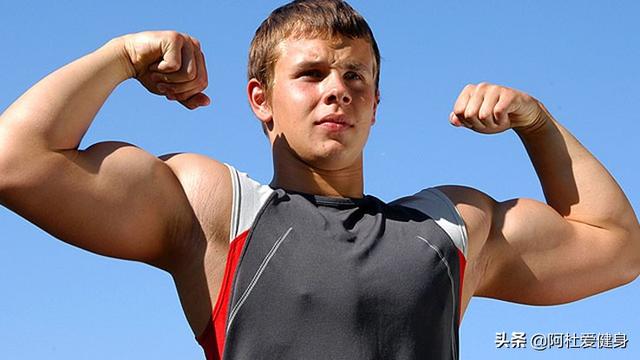
The development of sports and strengthening the people's physique has always been the call of the country. It is natural that improving the physical fitness of teenagers is also worthy of attention. Even if they still hesitate to let children lift weights or do strength training, they should still let children engage in physical activities.