What is Your Body Fat Percentage? Learn How to Measure It Yourself!

Some girls see other girls' slender and long legs and feel the need to lose weight; some boys see others with abs and want to lose weight.

In fact, whether being fat or thin should not be compared to others.Body fat percentageis the most referenceable numerical value to react to whether one is fat or thin.

Today, let’s teach you how to self-measure your body fat percentage!There are many methods to measure body fat percentage, among which the most common and simplest method is
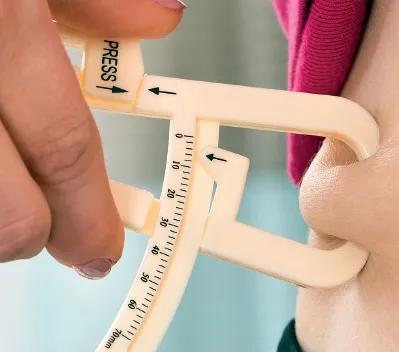
subdermal fold method.
➤Subdermal fold method – a tool used to measure skin thickness, then according to the measured data, you can estimate body fat content.
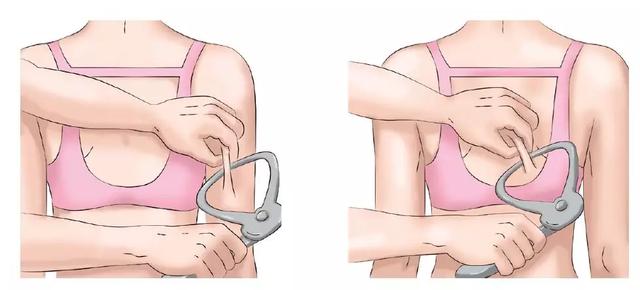
You only need a caliper to measure the data in the following two places, and then input these subdermal fold measurements (measure each measurement point 2~3 times and then calculate the average) into the formula, you can get a relatively accurate body fat percentage.Upper arm subdermal measurement:
The midpoint of the line from the acromion to the radius head on the right arm.Back subdermal measurement:
Below the acromion on the right shoulder.
Calculation formula
(1) Based on the estimation of subcutaneous fat thickness, we will temporarily cite the formula for calculating the body density for Japanese adolescents as a reference.
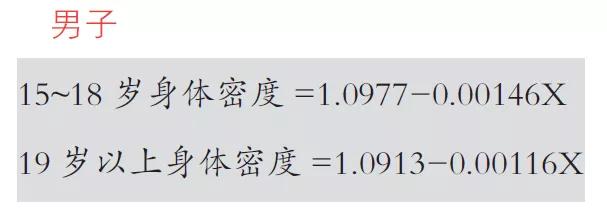
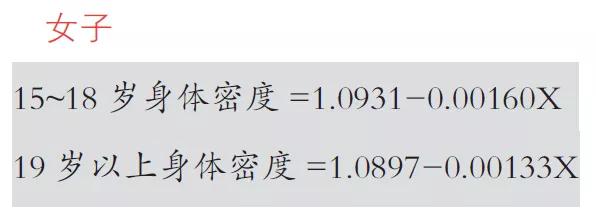
X = Back subdermal + Upper arm subdermal (millimeters)
(2) Body fat percentage calculation
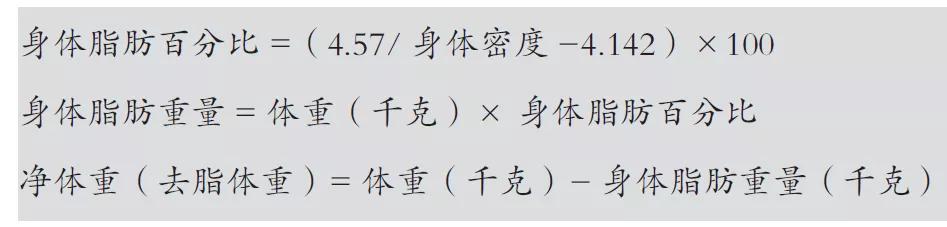
Using the following formula to calculate body fat percentage and estimate the data derived from lean body mass is more reliable.Have you learned it? Quickly apply the above formula to calculate it. Of course, if you find that your body fat percentage is high after calculation, don't be discouraged! Here we share a group of‘Full-body efficient fat loss and reshaping’
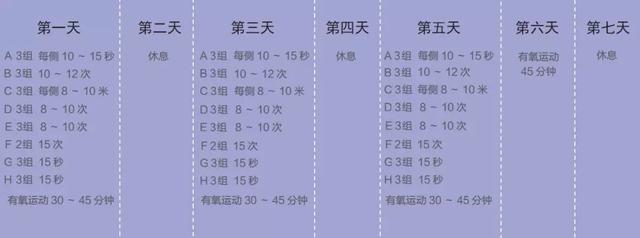
plans for you. This plan can be done at home, which is very suitable for students and office workers. Stick to it for 12 weeks, and try to reduce your body fat percentage and increase your muscle mass.
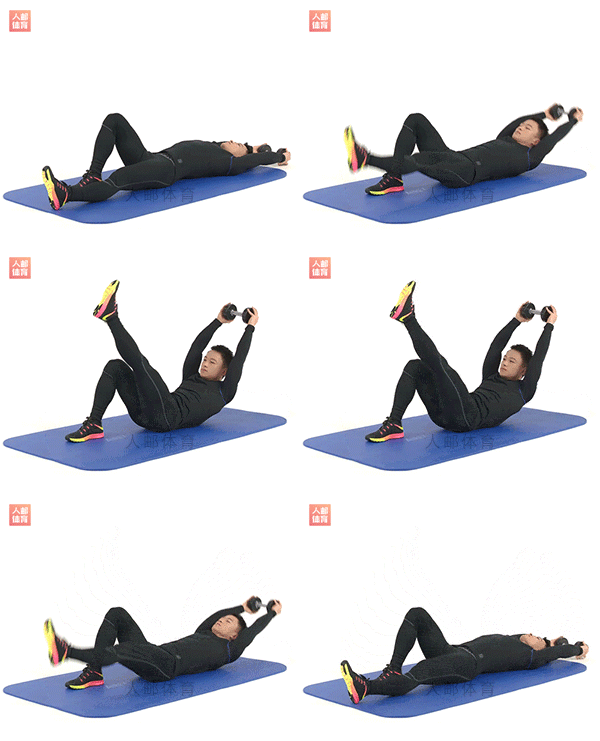
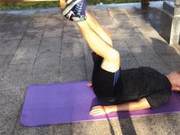
A. Dumbbell - Supine - Single-leg V-shaped static
When curling up, support the foot and keep the opposite foot straight and lift it upwards, forming a ‘V’ shape with the body.
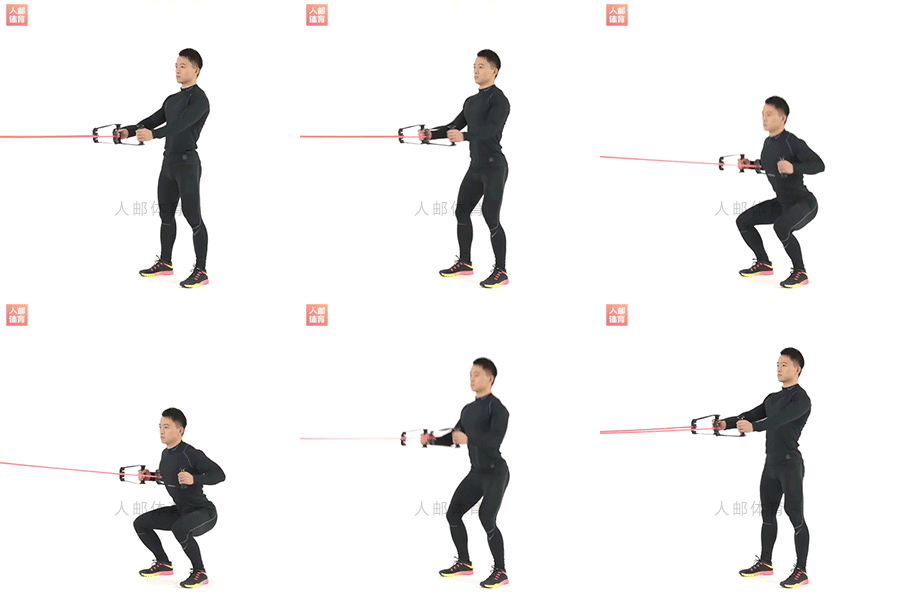
B. Resistance band - Squats rowing
Keep your back straight, bend your knees, and while pulling the resistance band back.
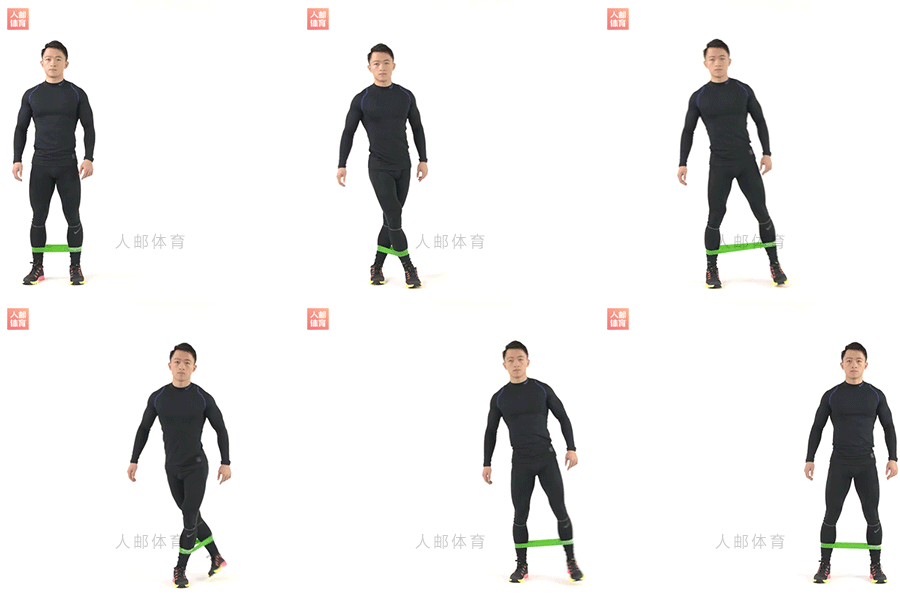
C. Resistance band - Standing - Lateral crossover step
During the exercise, do not bend the knee joint, keep the trunk stable, and feel the force of the gluteal muscles.
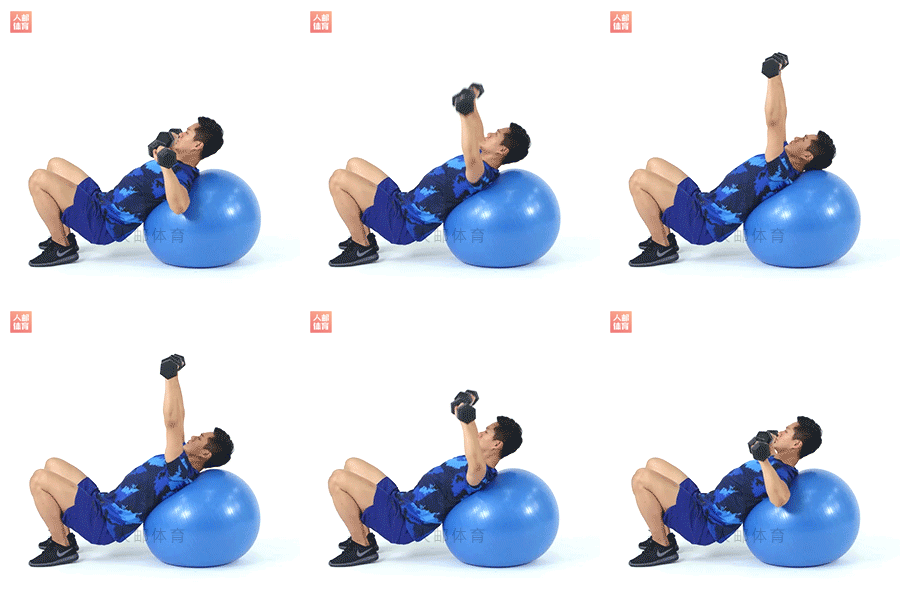
D. Dumbbell - Swiss ball - Inclined - Flying bird
Support the hips with both feet, lower the hip joint but do not touch the ground, keep the trunk and lower limb stable, bend the elbow, and move the arms laterally to perform the flying bird action.
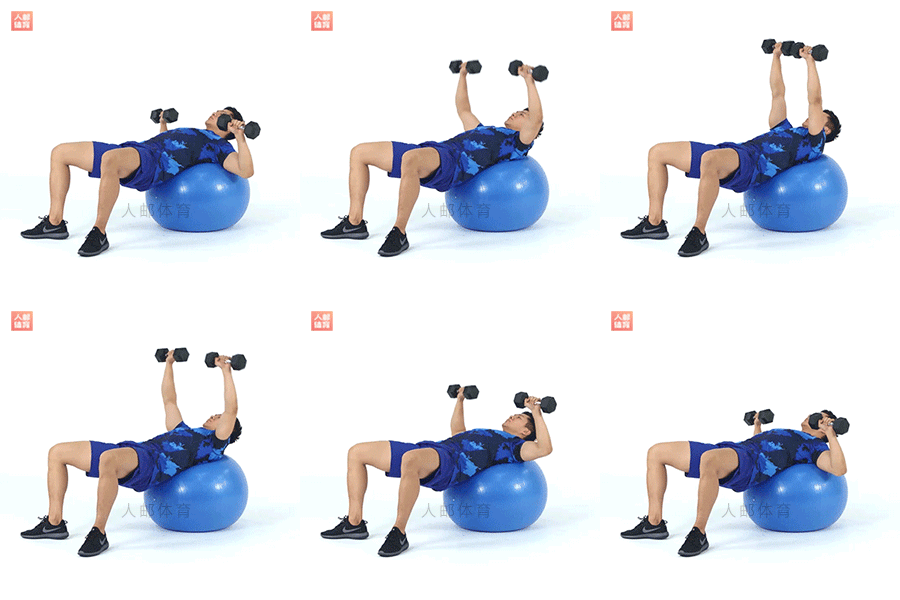
E. Dumbbell - Swiss ball - Supine - Hip bridge - Push-up
Support the hips with both feet, lift the hips, keep the trunk and thigh in a straight line.
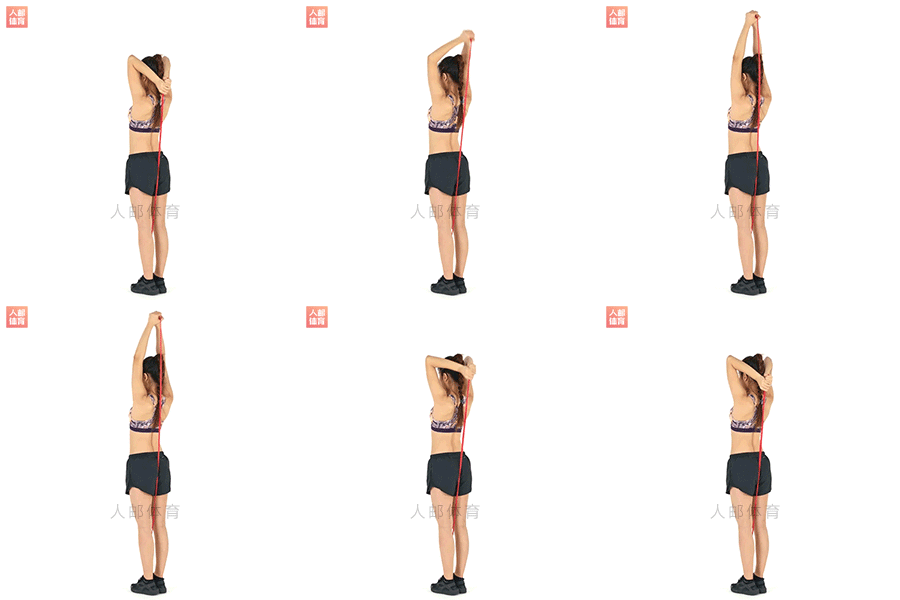
F. Resistance band - Standing - Arms overhead extension
Extend your arms above your head, fully straighten your elbow joints, and keep the body in a straight line.
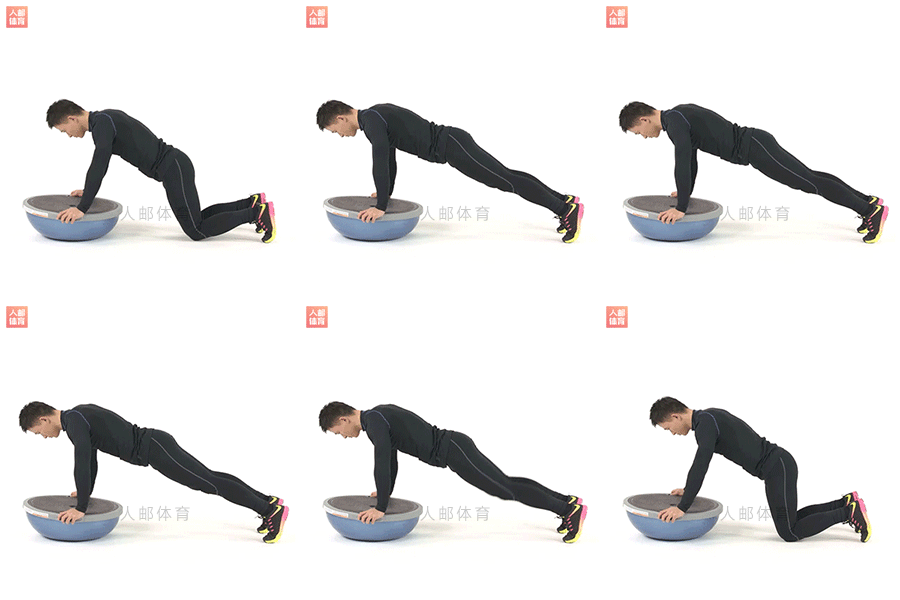
G. BOSU ball - Unstable - Hand-supported static exercise
The body is in a straight line from head to toe, the elbow joints are not bent, keep the center of gravity stable.
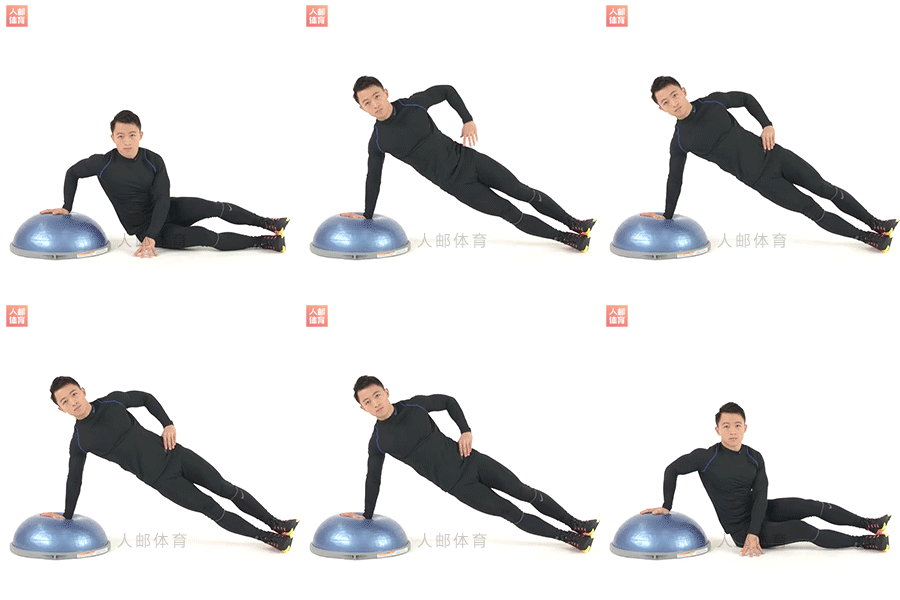
H. BOSU ball - Side bridge - Hand-supported ball
Lift the hips up, making the body in a straight line, keep the trunk stable, and do not bend the knee joints.