Four Stages of Power Shot Badminton: Grip → Pull → Strike → Rebound, and the Importance of the Rebound Unloading Action
As a hobbyist, enjoying the fun of badminton is truly a great fortune in life.
However, the injuries brought by badminton have caused countless people to worry, whether professional athletes or amateur enthusiasts, when talking about injuries, it's a universal lament among men and women.
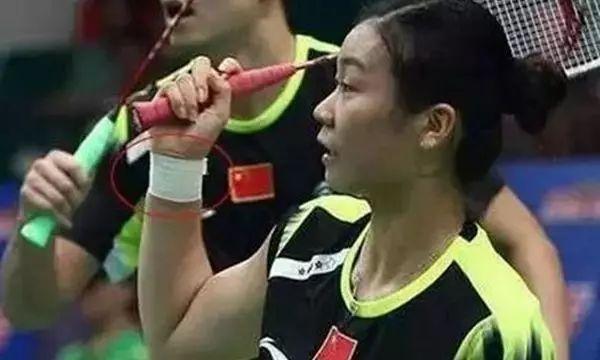
Professional athletes suffer from wrist injuries;
Especially since badminton involves a large amount of wrist force, it not only requires the wrist to have sufficient strength but also needs to be flexible. If the force is applied incorrectly, it can lead to conditions like synovitis, and in severe cases, it can affect normal life.
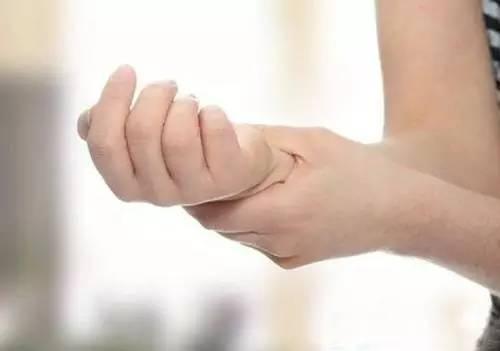
Especially after powerful attacks and long-distance shots, many people often feel pain in their wrists that is unbearable. In fact, this is a problem caused by the rebound after hitting the ball.
The process of powerful attacking shots is roughly divided intofour stages: racket grip, racket pull, striking, and rebound.We have always overemphasized the power of the strike moment, but often overlooked the subsequent actions of rebound, which is precisely where the potential for injury lies.
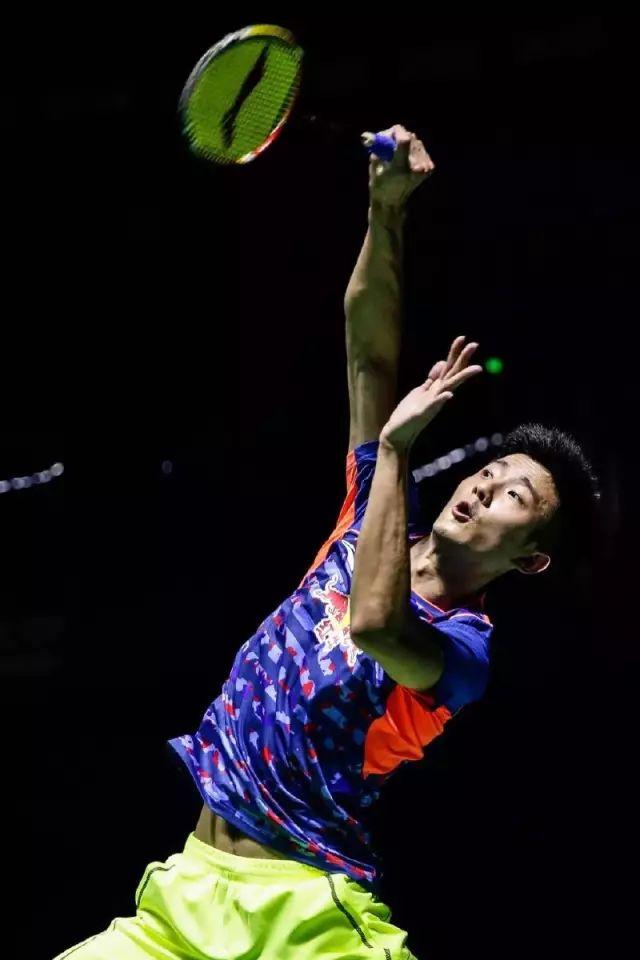
In the first three stages, including the strike, the wrist only experiences a process from relaxation to force. It's easy to understand that relaxation won't cause injury, and the force applied during the strike is less likely to cause injury.
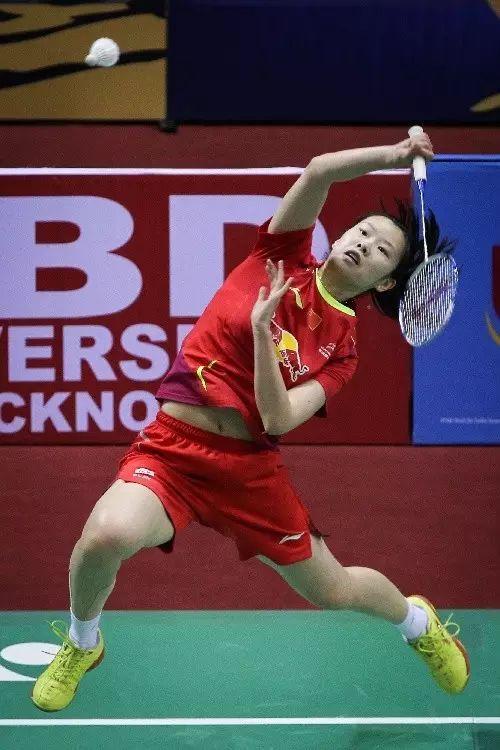
However, when rebound, if the release of force is not done well, the wrist is easily injured in the fast-paced rhythm without fully relaxing, then forcefully exerts force in another direction. This is easily understood.
Therefore, the details of the rebound and release of force are crucial.
Compared to the shoulder and elbow joints, the wrist is extremely fragile in badminton, and with strength far weaker than those joints, its use of force far exceeds its capacity. If the striking and rebound actions are not standardized, long-term accumulation will inevitably lead to joint damage, which is almost inevitable.
The wrist movements can be divided into these three types:
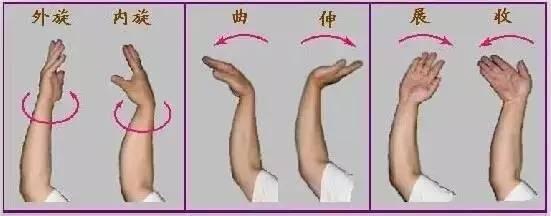
Most amateur ball players after powerful striking choose'bending the wrist'for rebound, which is to naturally direct the racket towards the other side of the body's lower position.However, there is an overcorrection problem with this rebound.
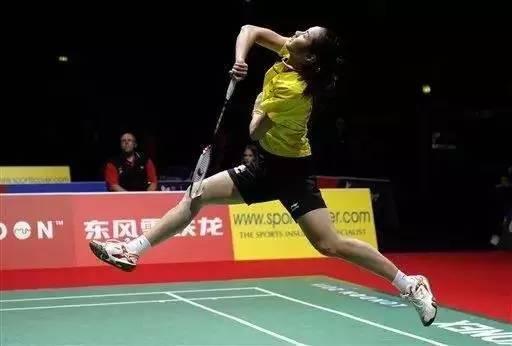
Due to the excessive rebound amplitude, the largest force concentration point is formed at the wrist joint, which easily leads to joint sprain.Observing professional athletes' striking actions, they naturally and smoothly direct the racket towards the other side of the body's lower position.Note that this is NOT on the same side!!!
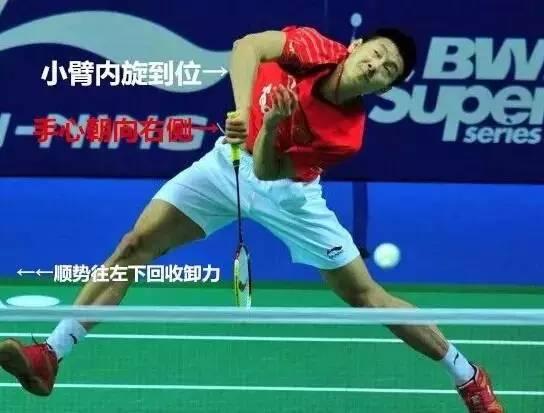
At the same time, rotate the little arm inwards, with the palm facing the hand holding the racket, to naturally release the remaining force.
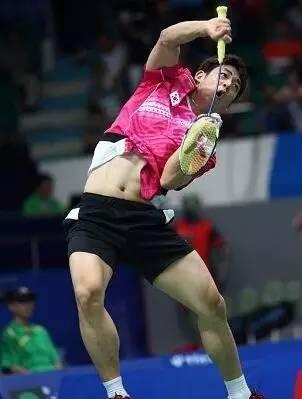
This maximizes the protection of the joint from injury.
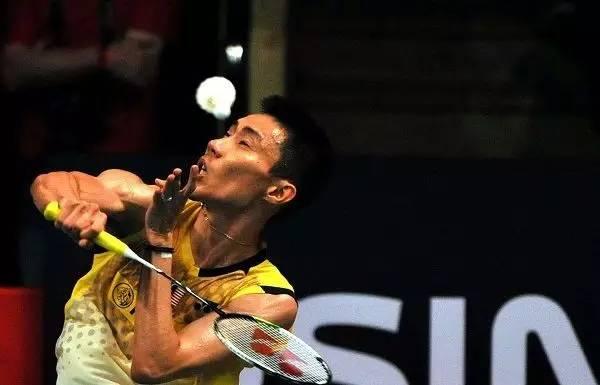
The correct rebound method;
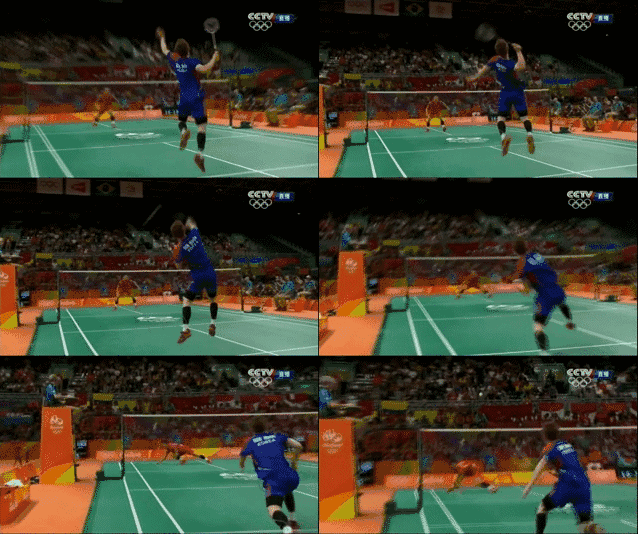
Note Lee Long's wrist rotation direction;
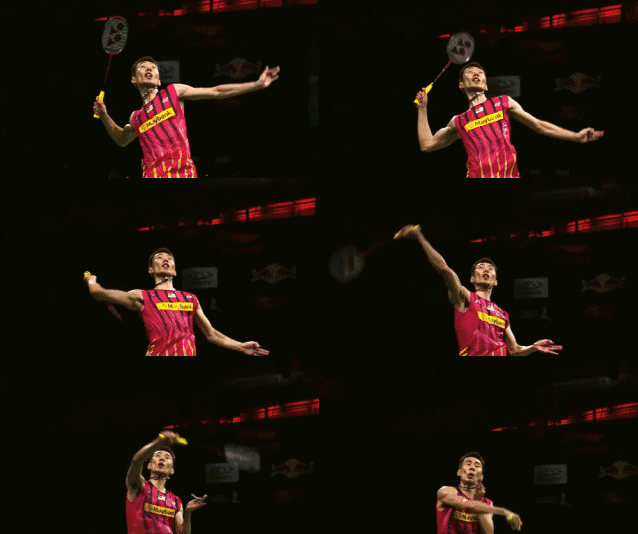
Lee Jun Wei's striking and rebound;
Sun Wan Hu's standard striking and rebound;Lee Jun Wei's striking and rebound slow-motion;For amateur enthusiasts, if the action doesn't reach the aesthetic beauty of professional athletes, it's unnecessary to demand too much. As long as it's smooth and doesn't affect the game, but