Functional Training 11: Generating High-Speed Movement Burst Channels
generate movement bursts high-speed channel
the body uses its major muscle system to generate a high-speed channel for movement bursts. If you were to draw a picture of the high-speed burst channel, you could simplify it into a new training model, which includes all body movements, and these movement directions are called the eight-sided training model
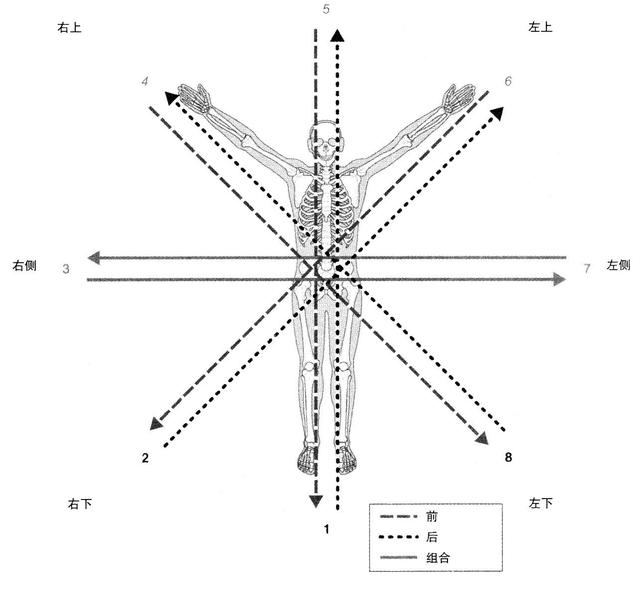
eight directions of movement combined
the body is like a bow: the direction of force generated by movement
the simplest description of how the body generates force is to regard it as a bow. Everyone knows that in order to make the bow generate the power and speed of an arrow, it must first bend the bow (see the picture below), loading the front of the bow. The strongest and hardest part of the bow is the central part
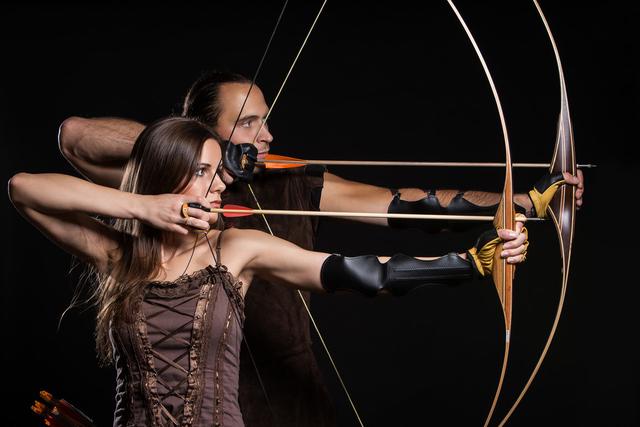
the archer bends the bow to load the bow
a tennis player bends his body backward to perform a backhand serve (see the picture below). Bending backward loads the front of the body. Like a bow, the tennis player uses force from the center of the body. This analogy reveals specific features of simple exercises, such as resistance band swimming and medicine ball over-head slams. These exercises can train the front of the body and improve any overhand throwing movements

the tennis player bends his body when serving in order to generate power
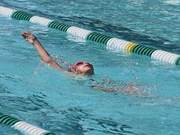
still using the bow analogy, bending the body forward loads the back. The back can bear and provide the force required for all changes in body center of gravity (such as jumping, getting up from the ground, lifting objects). For example, a swimmer or sprinter bends his entire back muscles, loading the back, thereby entering the water and taking off on the ground. Similarly, a wrestler uses his back core muscles to lift his opponent.
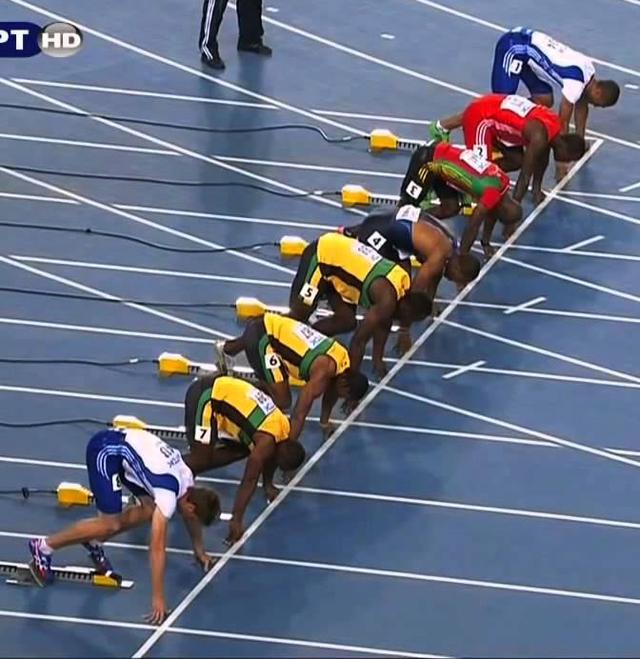
these pictures make us realize the characteristics of general strength training, such as deadlifts, and more targeted functional exercises, such as kettlebell single-arm swings and medicine ball reverse throws. Forward and backward bending not only promotes bending and stretching, but also works in a coordinated manner, just as we see when considering diagonal elements
the 'blanket shawl' phenomenon on the front
expanding the bow analogy and the core principle of diagonal loading, we can regard the body as a series of bows, the directions like scarves crisscrossing. This diagonal phenomenon is also called the 'blanket shawl' phenomenon on the front and the 'blanket shawl' phenomenon on the back (see the picture below). This biomechanical system is extremely important in movement and can help us understand how the body moves and how to train it
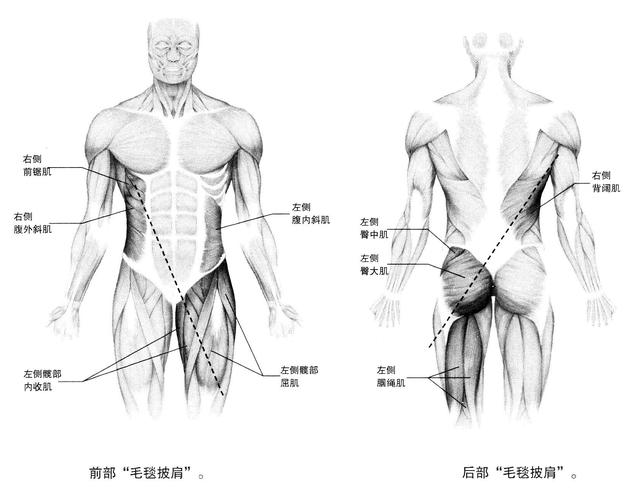
the 'blanket shawl' phenomenon on the front extends along the side of the body from the right shoulder to the left leg, as well as from the left shoulder to the right leg. Each shoulder is connected to the back through the acromion process and the spine. Conversely, the 'blanket shawl' phenomenon on the back, extends along the back side of the body, connecting the right shoulder to the left leg, and the left shoulder to the right leg. It can be seen that each shoulder is connected by the chest front through the chest muscles and the sternum. The front muscle system connects to the back muscle system, the back muscle system connects to the front muscle system, which seems contradictory, but is actually perfect. The 'blanket shawl' phenomenon on the front accelerates, the 'blanket shawl' phenomenon on the back slows down, the reverse is also true

to bring the 'blanket shawl' phenomenon into life, let us use the example of a right-handed thrower. Right-handed throwing during the arm preparation for throwing and the cross-step is the 'blanket shawl' portion on the back (right side leg to left shoulder) that accelerates first. During the curve and acceleration phase, use the 'blanket shawl' portion on the front of the muscle, namely the diagonal crossing from the left leg to the right shoulder: the left hip flexor, the left abdominal oblique muscle, the right abdominal external oblique muscle and the right anterior serratus muscle. Right-handed throwing is the 'blanket shawl' portion on the back that slows down, namely the diagonal crossing from the left leg to the right shoulder: the left calf muscle, the left gastrocnemius muscle, the left hamstrings muscle, the left gluteus maximus muscle and the right latissimus dorsi muscle
thisdiagonal acceleration and decelerationare synchronized throughout all movements, especially when rotation is used. For example, the same muscle system can be used to decelerate in a right-handed throw, and can be used to accelerate in a right-handed backhand in tennis.
understanding these, functional training for sports will become simple, just like training for explosive power of 'blanket shawl' high-speed channel. Let us take a look at the training system designed for explosive power.