The Torment of Countless Runners: How to Solve Plantar Fasciitis?
Until today, running injuries are still a common and quite tricky problem, many runners have once or are still suffering from illnesses and injuries that cannot run normally. Among them, plantar fasciitis is one of the most common foot injuries that runners suffer from.
Today, let's talk about the torment of countless runnersplantar fasciitis.
What is plantar fasciitis?
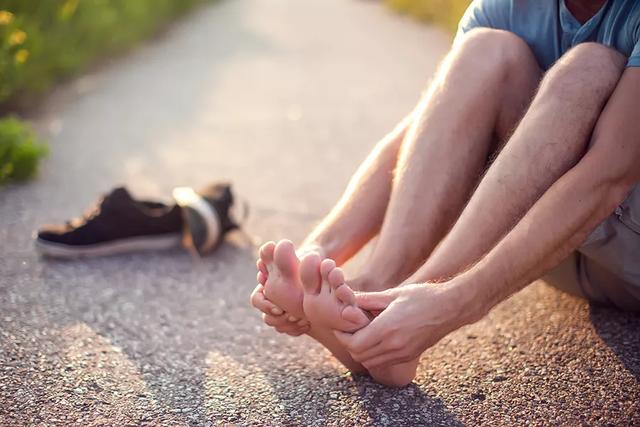
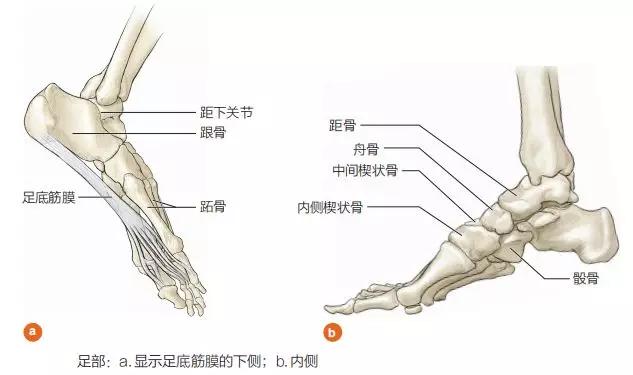
Foot pain, also known as heel pain, is scientifically called plantar fasciitis. The plantar fascia is a soft tissue located at the bottom of the foot. It extends from the heel bone to the toes. Its main function is to cushion and assist in maintaining the arch. When runners wear inappropriate shoes to run, it is easy to cause plantar fascia fatigue and inflammation.
Plantar fasciitis is a very painful disease, which often makes runners unable to run. This fibrous tissue extends from the plantar bone end to the insertion of the heel bone (adjacent to the Achilles tendon). The heel is its weakest part, so it is most susceptible to injury.
What are the causes of plantar fasciitis?
Like many running injuries, its occurrence is due to some specific and common reasons. Not every runner suffers from plantar fasciitis for the same reason, but they all endure the same pain. For example, some runners wear high arches and wear low-support shoes. The difference between arch height and arch support leads to plantar fascia collapse or stretching into a hollow space, causing minor tearing of the fascia.
Another example is that runners with tense calf muscles may develop plantar fasciitis because the tense calf muscles pull the plantar fascia attached to the Achilles tendon, which in turn leads to a loss of dorsiflexion ability in the ankle. Without dorsiflexion, the plantar fascia becomes inflamed.

How to solve plantar fasciitis?
The most sensible way to solve plantar fasciitis is to stretch and strengthen the entire foot, ankle, and calf.Ideally, placing your feet on a hard rubber ball, golf ball, or another sufficiently dense circular surface can eliminate some fascial adhesions, is a good starting point for injury rehabilitation.
Rolling ball
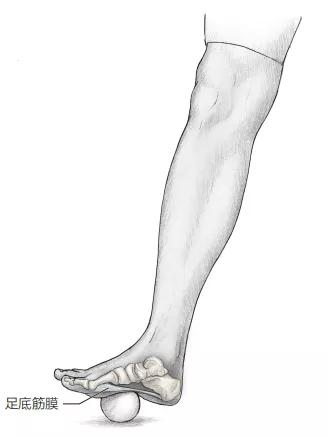
1. Arms drooping on both sides of the body, maintain good body balance stand well. Use one foot to firmly press a long racquet (golf ball).
2. Roll the ball forward, backward, left or right under the foot. Focus on exercising the arch of the plantar bone, especially pay attention to the heel.
3. Roll the ball with each foot for 30 seconds, switch feet.
Additionally, here are 2 exercises to help stretch and strengthen the plantar fascia, so that you won't feel pain when running.
Ankle weight dorsiflexion
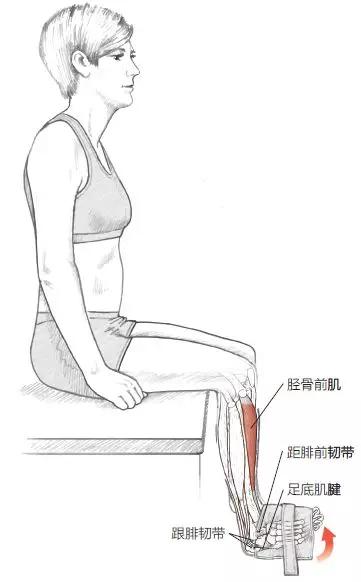
1. Sit on a table and bend your knees, your lower legs hang over the edge of the table. Make sure the ankle is safe, add weight to the foot bottom to generate appropriate resistance. Keep your upper body upright, your hands placed on both sides to ensure body balance.
2. Move smoothly and powerfully, dorsiflex the foot, that is, the toes face the tibia fully extend (toes up and down). Bend your lower legs at a 90-degree angle, do not shake your lower legs to assist foot and ankle movement of weight.
3. Slowly lower the bent foot (plantar flexion), and repeat the movement until the foot is tired. Switch weight to the other foot and repeat the movement.
Standing external rotation of the heel
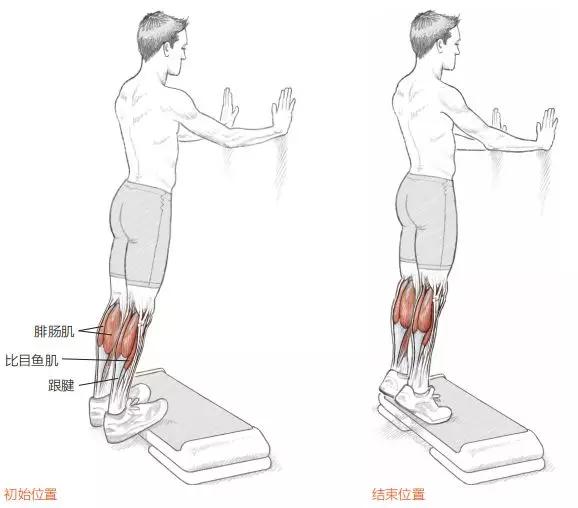
1. Stand on a step, your feet hang over the step outside. Hold the wall in front with your hands.
2. Lift the plantar bone end of your feet upward and fully extend (plantar flexion).
3. Slowly lower down until your feet are fully dorsiflexed (back flexion).
Today's content is shared here~ If you want to learn more about running knowledge, please follow 'Running Anatomy (2nd Edition)' for study.
-END-
The content comes from
'Running Anatomy (2nd Edition)'

Published by People's Post and Telecommunications Press
Please make sure to retain the book copyright information when translating: book name, cover, publisher