Basic Techniques of Outdoor Rock Climbing: Warm-up Exercises
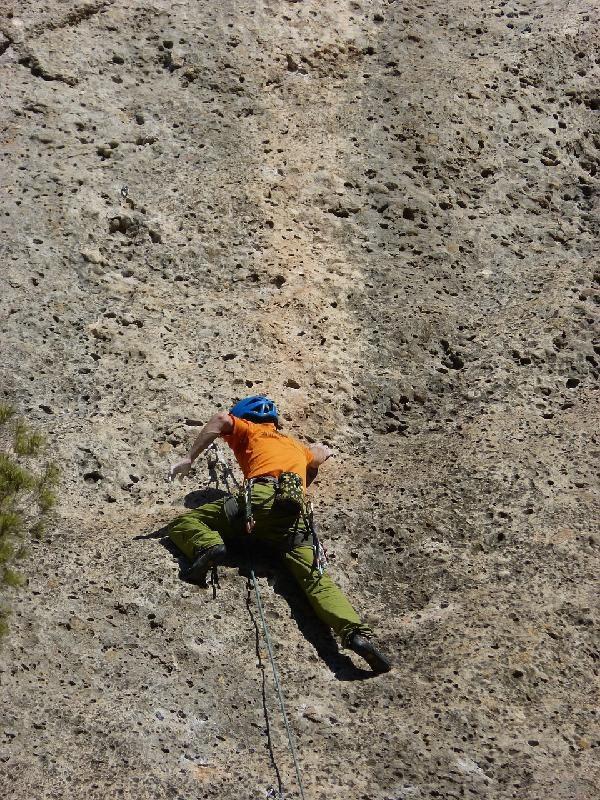
Occasionally participate in some stimulating extreme sports to broaden our understanding of the world, such as bungee jumping, rafting, and rock climbing, etc. Mastering the basic techniques of outdoor climbing can help you bravely climb to great heights, and can also be safer to achieve your goals.
Outdoor Climbing Techniques:
I. Warm-up
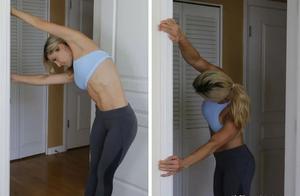
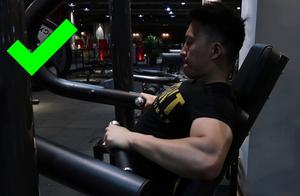
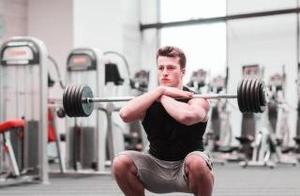
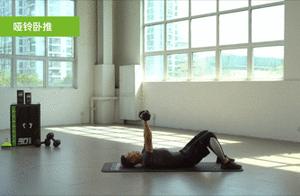
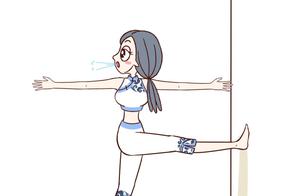
Before starting climbing, it is very important to warm up the body, and omitting this step is very likely to cause injury. For example, if you install a training device in your hallway and have the habit of passing through the hallway, pulling on the bar several times, you may have thus caused muscle or tendon strain, because you didn't do a warm-up.
To calculate how much warm-up activity is needed to enhance climbing performance is impossible, but warm-up can indeed reduce the risk of muscle strains or muscle tears, so don't ignore it, it is an essential step before climbing or training. Currently, there is still some controversy about how to do the warm-up, but no matter how, finding the method that feels most comfortable to you is our suggestion.
The best warm-up method is to run for 10-15 minutes. Maybe there is no track near the rock wall, but you can run in place, keeping your knees raised, and adding jumping and kicking. First take three minutes to move actively on the first route, especially when you are carrying equipment to climb.
Another major problem is that climbers always stop and stop while climbing, which wastes a lot of time, and easily makes the body cold; ensuring a pioneering climber consumes more mental energy than physical energy, so when climbing, it's easier to feel cold. Therefore, before climbing, you must do any action that can maintain muscle temperature.
II. Boulder Climbing
Boulder climbing is a less assured, more basic form of climbing. Climb a large rock or a small rock wall, and it's possible to return to the ground at any time, which is the advantage of boulder climbing. However, be careful not to injure your ankles, so if you have a companion behind you using your hand to secure you better, no matter how, as long as you have a pair of climbing shoes, you can try the fun of boulder climbing.
Try to find a rock with various cracks, different types of holds, and rock shelves, these are the terrains you will encounter when climbing general routes. It is said that climbing 100 feet of a lead route and an hour of boulder climbing will teach you the same lessons.
So what can we learn from boulder climbing? Balance is the most important element in climbing skills, and boulder climbing can enhance balance. The best training method is to pay attention to your feet while climbing. Bold movement is also something you should try to do, and success will be based on your confidence.
Furthermore, boulder climbing can also train your basic skills, teach you how to choose the best holds and foot holds. You will start to notice the difference in strength between your hands and feet; the more you use your foot strength, the less your muscles will fatigue. So, when boulder climbing, practice placing your feet properly, such as changing foot holds with positive stepping or side stepping. Pay attention to keep your body slightly leaning outward, which can increase the friction between your feet and the rock, and beginners often make the mistake of not keeping their bodies vertical, which makes their weight waste a lot of energy, so their center of gravity is not correct.
III. Climbing Techniques
The main purpose of using hands in climbing is to move the body upwards and as close to the rock wall as possible. There are dozens of shapes of holds on the rock wall. Climbers must be familiar with the shapes of these holds, know where to grab them, how to apply force, and according to the position and direction of the protrusions or recesses on the holds, use techniques such as scooping, pinching, pulling, dragging, grasping, pushing, etc. But don't be too rigid, the same hold can have multiple gripping methods.
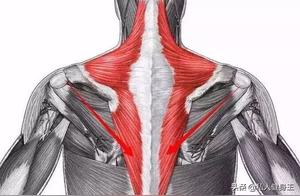
The strength of your fingers is very important during climbing, you can use finger grips to support, pull-ups, finger hooks, pull-ups, and pinching weights to practice. Now some experts can reach a single-finger pull-up strength level. When climbing long routes, you can choose easy sections and alternate using your hands and feet to rest.
IV. Footwork in Climbing
Footwork is about using foot movements during climbing, including techniques such as foot placement and foot switching. The correct method of foot switching is to ensure stability without increasing the load on your hands. Taking right-to-left foot switching as an example, first move your left foot above your right foot, and use your right foot to rotate counterclockwise (looking down) around the rightmost axis of the foot hold, leaving a space on the left side of the hold, while your weight is still on your right foot; the left foot enters from above, steps on the hold, and the right foot withdraws naturally, and your weight is transferred to the left foot.
V. Special Movements
There are also some special movements during climbing, including:
Pull:
Pull up using the hold to extend your body upwards and use a pull-up.
Push:
Use steps, cracks, or other terrain to move your body by using your hands and forearms.
Lean:
Use a crack that can accommodate the body, leaning one side of your back against the rock face, supporting the opposite side with your limbs, and moving your body sideways.
Extend:
Extend your hand into the crack, using a bent hand or clenched fist, to grip the crack in the rock and move your body.
Step:
Use your flexibility to avoid difficult spots and seek to utilize supports.
Hook:
Use your foot tips or heels to hook onto the rock, maintaining your body balance and movement.
Dorsal:
Use the dorsal side of your foot to step on a larger hold to reduce the load on your upper limbs and move your body.
Jump:
Utilize your own flexibility to avoid difficult spots and seek to utilize supports.
Transition:
The transition is used to change the foot's position to reduce the load on your arms and move your body.
In addition to these movements, climbers can also use more imaginative and creative techniques depending on the actual situation and their own needs, without being rigid in form, as long as they can climb higher and more stably is considered the most effective climbing technique.
VI. Targeted Exercises
Some daily exercises or targeted training can promote your climbing ability, such as pull-ups can increase arm and finger strength; persistent jumping rope can strengthen flexibility and coordination; table tennis and chess can cultivate judgment and insight; swimming can strengthen cardiovascular function and increase