What is Delayed Muscle Soreness? Does Muscle Growth Always Accompany Pain?
Today I want to chat with you about: Delayed Muscle Soreness.
Many new fitness beginners will probably feel this deeply. Especially on the day we train legs, we may not experience a lot of soreness afterwards. However, the pain will start to appear on the day or the morning of the next day. My deepest feeling is that after training my legs, I don't want to get out of bed the next day.

And for us, what is the necessary connection between delayed muscle soreness and muscle growth?Let's first talk about: What is Delayed Muscle Soreness?
We may not feel anything at the moment we finish training, but within the next 24~48 hours, some people will feel that the target muscle groups are increasingly sore. This is delayed muscle soreness.
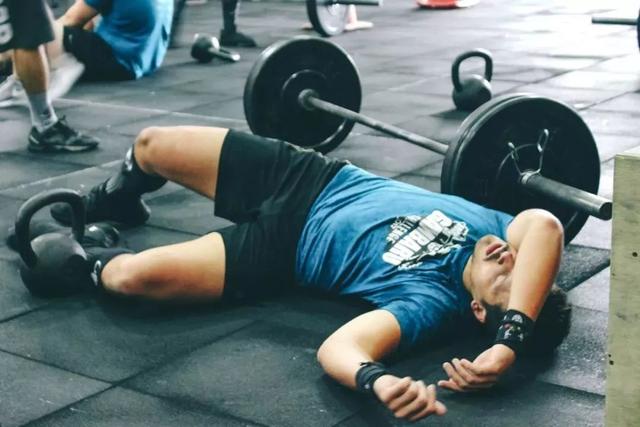
There are many reasons for delayed muscle soreness, but the main reason is that during training, we produce some small muscle injuries, and our bodies not only repair these injuries, but also over-repair them, making our muscles stronger.
So, where does the feeling of muscle soreness come from?It comes from the process of our muscles repairing themselves, and this inflammatory reaction is the main cause of muscle soreness.

As I mentioned earlier, if you want your muscles to become thicker, your training content should meet three conditions: mechanical tension, metabolic stimulation, and muscle damage.When we experience delayed muscle soreness, our body does meet the condition of muscle damage.
However, we need to note that

The most important factor in muscle hypertrophy is mechanical tension. So, if we only satisfy muscle damage, it's not enough, and we should focus more on mechanical tension.For example, performing exercises like bench press, squats, and rows – multi-joint movements – can use more muscle groups and larger weights to meet the mechanical tension condition.
There's also the fact that muscle damage doesn't always accompany delayed soreness.

So, just because we have delayed muscle soreness, doesn't mean we've received enough mechanical tension. Otherwise, our training effect will be discounted.
So, when we experience delayed muscle soreness, can we continue to train?
Generally,
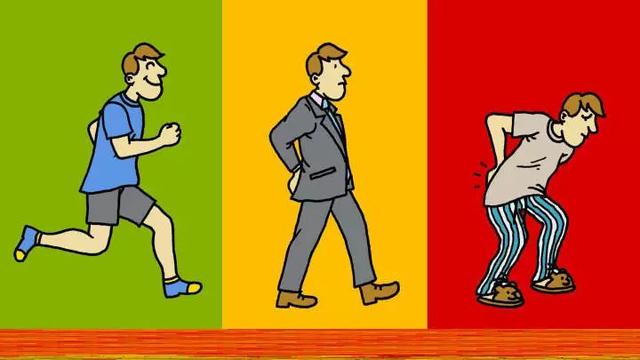
As long as our soreness doesn't affect the quality of our work, nor does it affect our strength and training volume, we can of course continue to train.If you hate delayed muscle soreness, you should develop good habits – remember to warm up before training, and stretch and relax your muscles after training, which can relieve muscle swelling and muscle soreness.
Generally, after training the target muscle group with a large weight, you need to maintain enough rest time, and you cannot frequently train the target muscle group, otherwise the muscle group will not have time to repair. The large muscle group needs to rest for 3 days, and the small muscle group needs to rest for 2 days. Only through rest and relaxation will muscle growth be more efficient.

3Ian2