The Most Neglected Muscle Groups - Posterior Chain, These 5 Exercises Will Effectively Strengthen the Posterior Chain
For fitness enthusiasts who aren't into sports, this title might be very confusing? What is the posterior chain? I've only heard of the agonist muscles, small muscles, and core muscles. If you know about the core muscles, then you'll also understand the posterior chain. The core muscles aren't referring to a specific muscle but a muscle system composed of many muscles. Similarly, the posterior chain is also composed of many muscles. Let's first recognize this point, and then I will explain the posterior chain in detail.
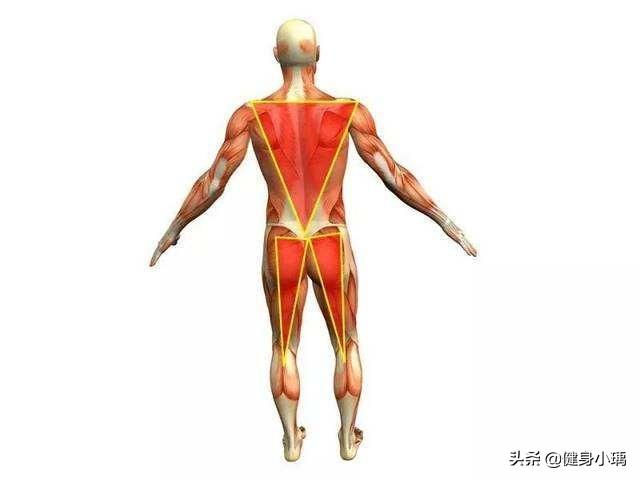
Posterior chain
Before understanding the posterior chain, it's best to understand the concept of the agonist chain. Our body is divided into various parts and joints, but these parts and joints combined form a whole, and within this whole, each joint and between joints, muscles interact with each other. One part having a problem will inevitably lead to the compensation of other parts. It's like a gear system; if one gear turns, the other gears will turn accordingly. Similarly, if one gear system stops working, the other gears will also stop.
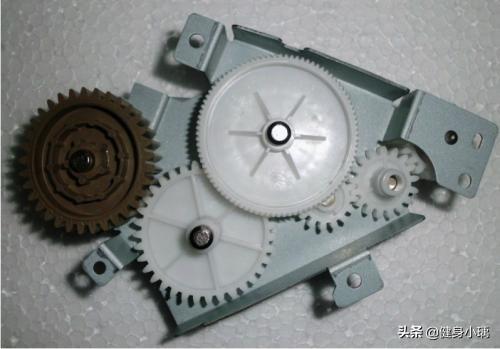
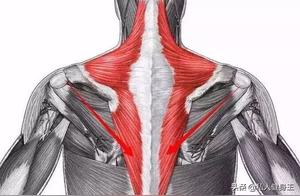
The entire human body is a complete chain of power. So the posterior chain refers to the muscles on the back. The entire muscle chain ranges from the back of the head to the Achilles tendon, including the back muscles, gluteal muscles, and hamstring muscles. Currently, in many gyms, many people focus on training the front muscles, and only the back muscles are paid the most attention, especially the back muscles, such as the latissimus dorsi, are trained the most. Many men don't pay attention to the gluteus maximus and hamstrings, while many women don't pay attention to strength training, which has led to a lack of development of the posterior chain. If you think I'm wrong, take a look at yourself in the mirror, do you see your hips and calves getting flat?
Therefore, training the posterior chain not only makes our whole body muscles more symmetrical but also has a significant positive effect on our athletic ability and physique. Let's list the specific effects.
The posterior chain is the power source of the body.
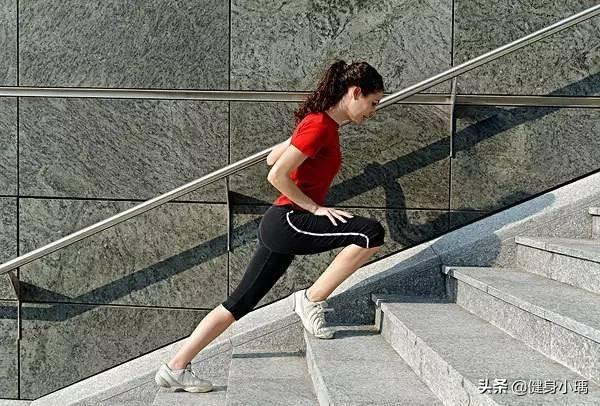
When we walk, the muscles involved are not only the quadriceps, in fact, the quadriceps are just auxiliary muscles in the walking action. When we extend the leg forward, the quadriceps muscles are activated to let the calf extend forward, but when the leg moves backward relative to the torso, the main muscles involved are the gluteus maximus and hamstrings. So, if the posterior chain develops well, you will walk and run more powerfully. Especially when climbing stairs, if your posterior chain is weak, the action responsible for climbing the stairs is mainly performed by the quadriceps. Over time, the legs will become thicker. Therefore, the posterior chain is the main engine of the human body. If this muscle group has a problem, our mobility will decrease.
The posterior chain stabilizes the solid state of the body.
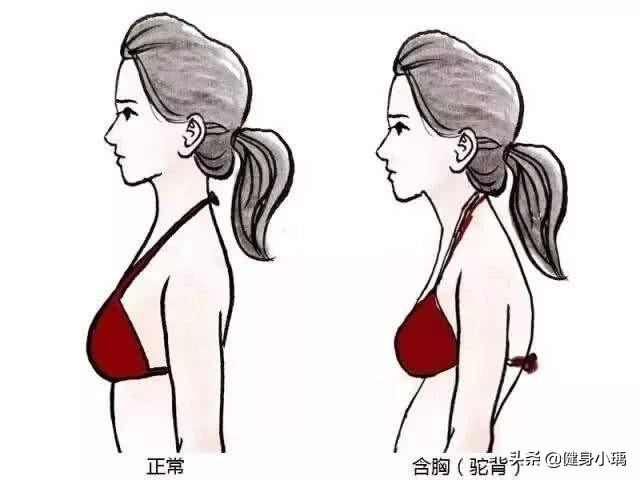
Muscles stretch from front to back, pulling the bones, only when the tension between the two ends of the muscles is balanced, our posture is healthy. Otherwise, it will cause hunchback and chest expansion. Modern people are used to the state of hunchback and chest expansion. Over time, the posterior chain becomes stretched and loses its activity. Some fitness enthusiasts have not noticed this point when training, focusing on training the front muscles, which will make the muscles more unbalanced. Our goal of fitness is to be attractive. But if we ignore the training of the posterior chain, it will have an opposite effect.
The posterior chain can prevent joint injuries.
Developing the posterior chain can also reduce our injury probability. Our bones are pulled from front to back by the muscles, so only when the tension between the two ends of the muscles is balanced, our joints are stable. If your front muscles are too tense and your posterior muscles are too weak, it will lead to the forward shift of the clavicle and the increase of the distance between the clavicle head and the glenoid fossa, which will reduce the stability of the shoulder joint. When doing push-ups, the shoulders are prone to pain. For the knee joint, when the tension between the quadriceps and hamstrings is balanced, it can stabilize the knee joint. Conversely, in sports such as football and basketball, the risk of knee injury increases.
About training the posterior chain
And if the posterior chain is so important, we need to add several specific exercises to the training plan. Here I recommend 5 exercises, which are: pull-ups, low-bar squats, kettlebell swings, straight-leg deadlifts, and roman chair raises.
Pull-ups
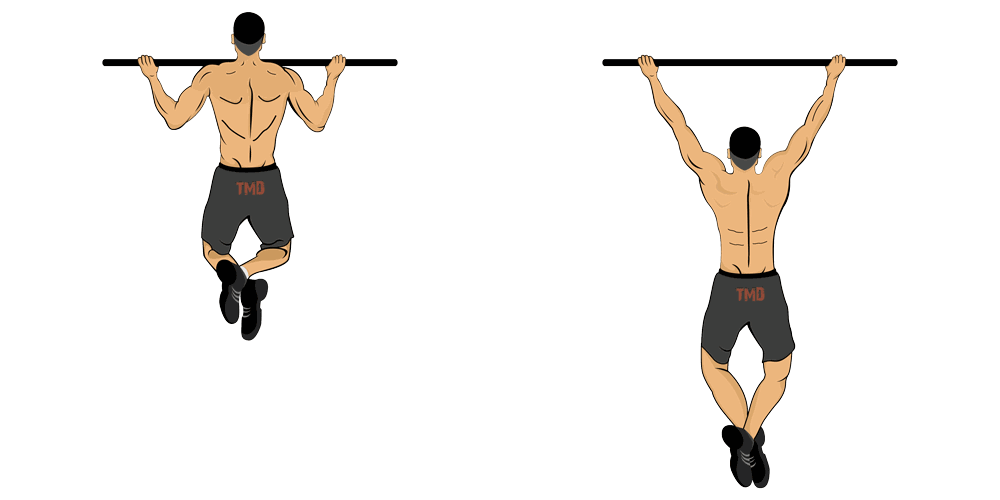
This is a commonly used exercise in fitness. This exercise focuses on the back muscles. When doing pull-ups, our arms will extend back and inwards, so the large round muscle and latissimus dorsi are the main muscles involved. At the same time, the shoulder blades will make up and down rotations, so the trapezoid muscle, rhomboid muscle, and anterior deltoid muscle will also participate in the movement. Pull-ups are a classic exercise for the back, but many people don't have the ability to do pull-ups. We can first step on a box to use the bounce to pull ourselves up, and then control our body to slowly descend, using the eccentric contraction to train the back muscles.
Low-bar Squats
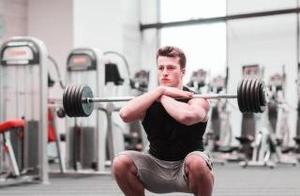
Few people do low-bar squats in the gym. Most of them do high-bar squats. We usually think squats only train the quadriceps. In fact, squats can also train the posterior chain. Low-bar squats further increase the involvement of the posterior chain. High-bar squats place the barbell above the latissimus dorsi, and low-bar squats place the barbell at the position of the acromion. Although the position of the barbell in two types of squats is not much different, the whole movement has changed greatly. High-bar squats require the upper body to be more upright, which reduces the load on the back muscles and shortens the hamstrings and gluteus maximus. Low-bar squats require the upper limbs to lean forward to a greater extent, which increases the load on the latissimus dorsi and stretches the hamstrings and gluteus maximus. Therefore, low-bar squats not only require the quadriceps to exert force but also emphasize the exertion of the posterior chain. Most weightlifting athletes use low-bar squats because it helps them squat heavier weights. The technique of low-bar squats:
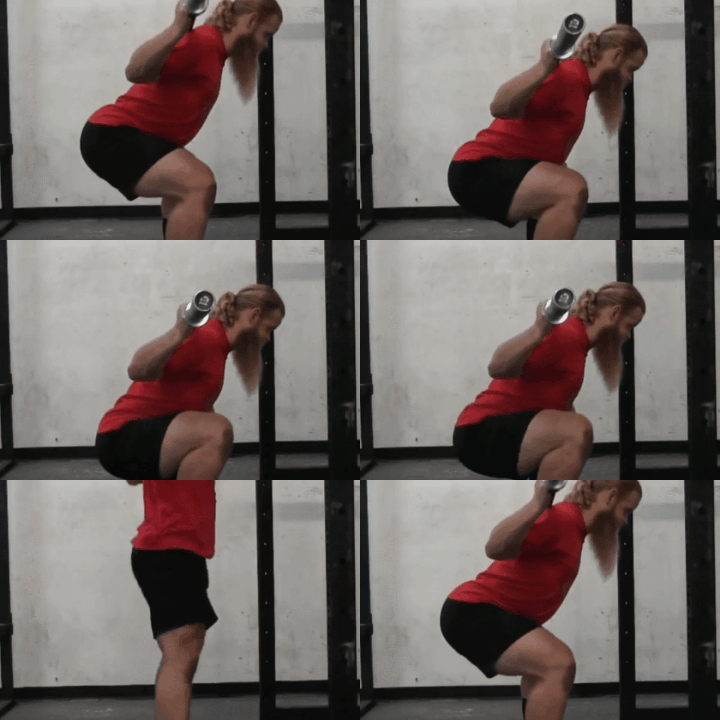
Place the barbell at the position of the acromion. The upper limbs slope forward slightly to prevent the barbell from falling.
- Stand with a slightly wider stance than your shoulders, with a 30-degree outward angle of your feet
- At the same time unlock the hip and knee joints and squat down, and the upper limbs should be bent forward to a large extent, so that the barbell is aligned with the center of the foot
- The squat depth should be such that the buttocks are slightly lower than the knees
- Kettlebell Swings
Kettlebell swings mainly rely on the hip joint flexion and extension. Therefore, kettlebell swings are aimed at the gluteus maximus and hamstrings. The main muscles involved are the gluteus maximus. The action is as follows:
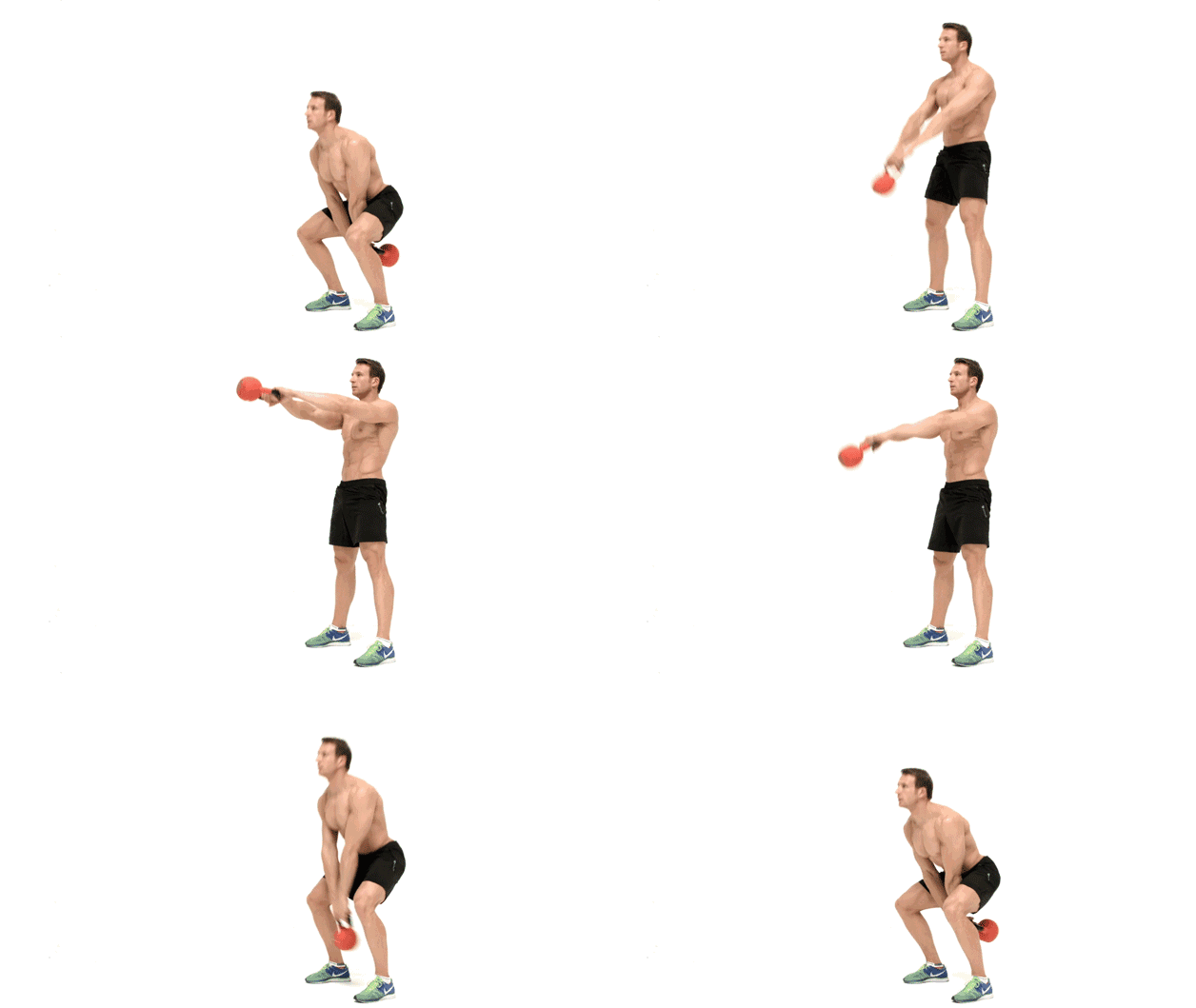
Stand with your feet slightly wider than your shoulders and with a 30-degree outward angle of your feet. Keep your back straight and bend your knees slightly. Grab the kettlebell.
- After grabbing the kettlebell, extend your arms and hips to stand up straight.
- Push the kettlebell forward by swinging the hips.
- Straight-Leg Deadlifts
- Straight-leg deadlifts train the hamstrings. This exercise not only strengthens the hamstrings but also stretches this muscle. The action is as follows:
Stand with your feet wider than your hips and with a 30-degree outward angle of your feet. Keep your core tight and slowly lower your body.
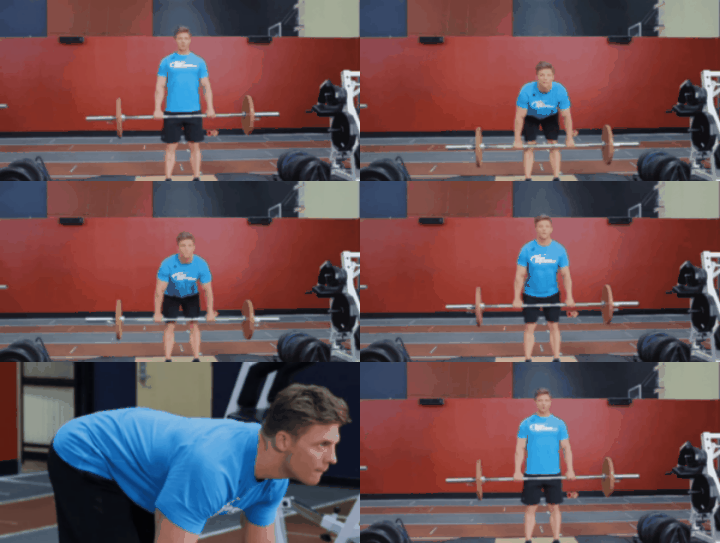
At the same time, bend your knees slightly, keep your back straight, and keep your lumbar spine neutral, and feel the stretch of the hamstrings
- When the upper body is parallel to the ground, push the hips forward slowly
- Roman Chair Raises
- Roman chair raises train the spinalis, the lower back, gluteus maximus, and hamstrings. The action is as follows;
Lie on a bench, keep your back straight, hold your arms in front of your chest, and keep your legs straight
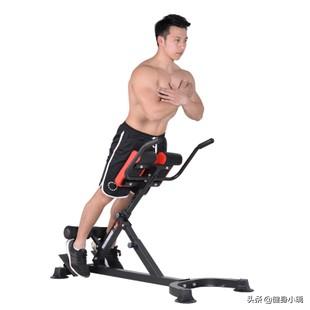
Keep your core tight and slowly lower your body to feel the stretch of the lower back, then raise your upper body to the highest point