What Impact Does Correct Posture Have on Our Bodies?
What is the correct posture?
Posture is more important than you think, influencing your mental state and, besides appearance, posture does.
How to self-check posture standards?
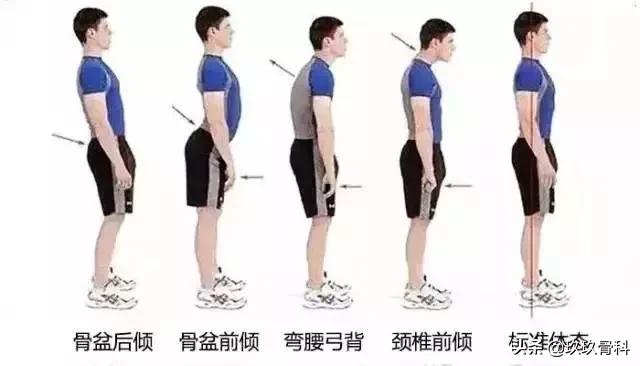
Pelvic tilt backward, hunching, bending over, and eight-word feet are all consequences of muscle imbalance. Our incorrect postures put our spine, shoulders, hips, and knees at risk.
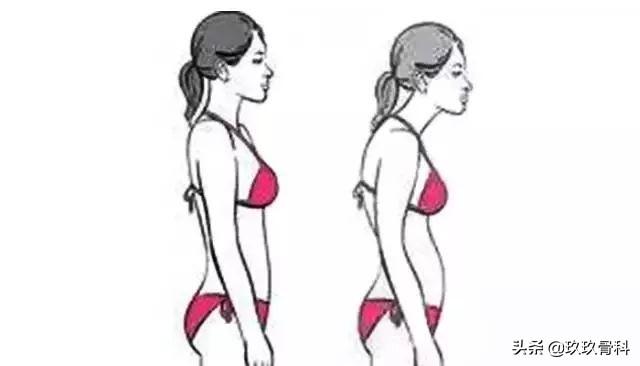
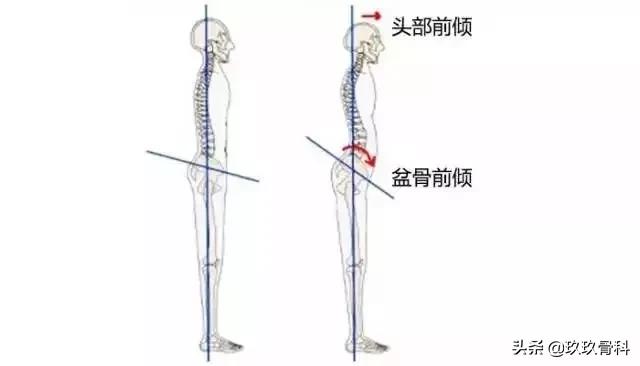
The standard posture is as follows, as shown in the figure...
Side view, ears, shoulders, and hips are on the same vertical line; back view, head, back, and hips are on the same plane; shoulders are retracted naturally, lowered; chin is slightly retracted; the spine maintains a natural physiological curvature. In this state, the spine receives the least pressure, which is also the healthiest.
How to evaluate your posture?
Take two full-body photos, one facing forward and one sideways. Relax your muscles, stand straight, and keep your feet apart. Then, consult the following criteria to diagnose your posture problems.
1. Look at your ears. If they are in front of your shoulders, your head is too forward.
2. If you can see your shoulder blades, it means your back is too rounded, causing a hunchback.
3. If your hips are leaning forward, your abdomen will bulge, and the spine will form a significant arch, indicating pelvic tilt.
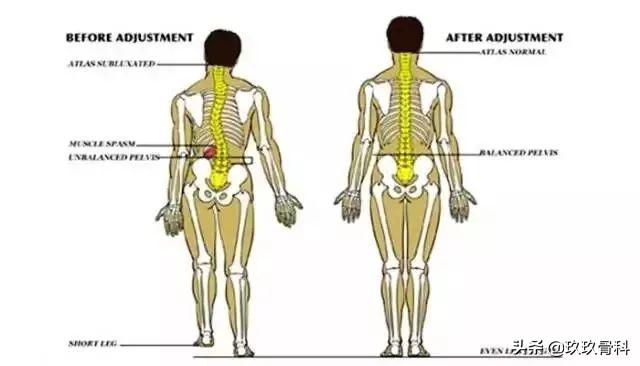
4. Take a look at your shoulder joints. They should be the same height.
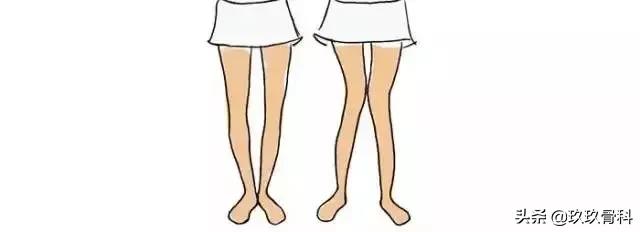
5. Check your knee joints, whether they are inward or outward when you extend your legs, or whether they touch when you extend your legs.
These 5 postures ruin your health
Many people have poor posture due to work and daily habits, leading to muscle imbalance.
The worst thing is that changes in the shape of the spine, displacement, and partial dislocation can compress the surrounding nerves, which can cause pain in the neck, back, and related body locations.
1Hunchback
Hunchback is one of the most common posture problems. Hunchback is divided into shoulder, thoracic spine, and lumbar spine issues:
(1) Shoulder blade issue
Those who work at desks are most prone to shoulder blade forward shift (hunching) and elevation (shrugging shoulders).
(2) Thoracic spine and lumbar spine issues
Poor sitting posture leads to changes in the curvature of the thoracic and lumbar spines, causing hunchback.
Solution:
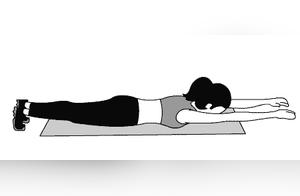
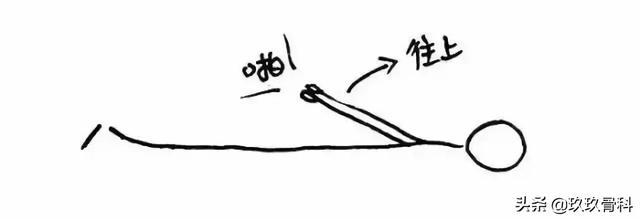
① Lie face down on the ground, arms behind you clapping hands.
② Without changing the angle of your elbows, raise your hands by pushing your shoulders up and squeezing your shoulder blades together.
③ Hold for 5 seconds. Do 2-3 sets per day, each set 12 repetitions.
Note: Patients with fixed spinal stenosis may not receive good treatment and develop a hunchback.
Head and neck forward tilt
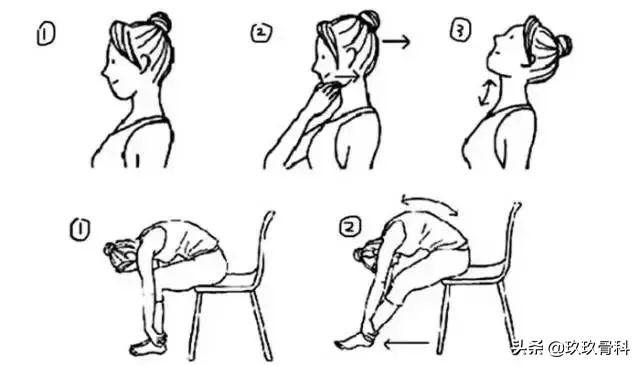
2This is usually caused by poor posture and muscle stiffness in the neck.
Solution:
① Sit straight, looking straight ahead, and retract your chin.
② Extend your neck backward.
③ Do five repetitions per day. Be careful not to use too much force, as it may cause spinal impact.
Pelvic tilt
3Pelvic tilt is a pathological phenomenon of pelvic displacement. The correct position of the pelvis is generally slightly forward tilt.
Solution:
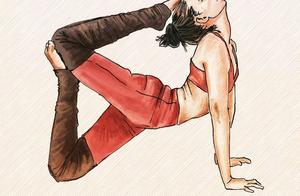
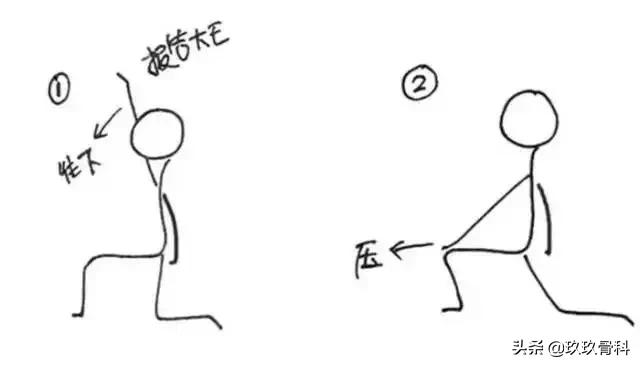
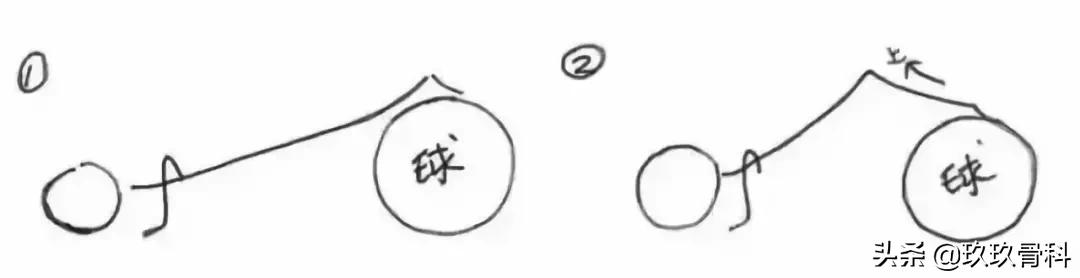
① Kneel with your left knee bent, and your right knee bent forward to place your right foot on an resistance ball in front of you, then restore the initial posture.
② Hold your right hand on your knee and press your right foot forward, and contract your hip muscles on the left until you feel a hip stretch.
③ Hold for 30 seconds. Repeat 3 times per side.
High shoulder
4Congenital high and low shoulders, such as spinal development abnormalities, spinal scoliosis, etc., are one of the manifestations of high and low shoulders.
Postural factors that cause high and low shoulders are mainly due to muscle imbalances caused by incorrect posture and bad habits.
Solution:
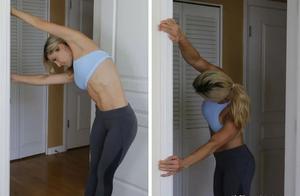
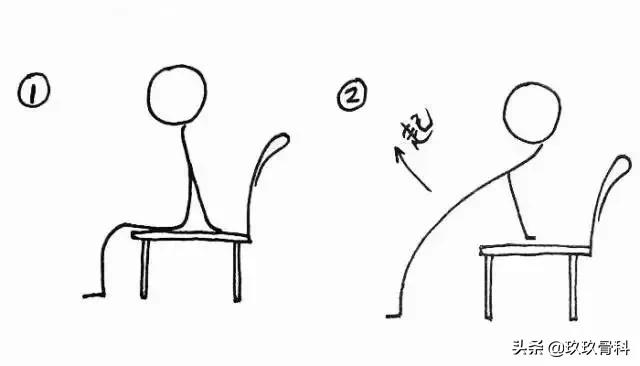
① Stand with your arms at your sides and your torso upward, stretching your arms, until your hips are hanging in your chair.
② Hold your arms straight and do 12 repetitions per side.
Eight-word feet
Many factors cause this problem, including genetic factors affecting bone development. Soft cartilage development caused by calcium deficiency, the impact of childhood learning steps, or long-term fatigue like dance training will also affect it.
5Solution:
① Lie supine, with your feet on an resistance ball.
② Maintain a downward-facing posture, bending your knees, and moving the resistance ball towards your body's direction, then return to the initial posture.
③ Do 6-12 repetitions per side, 2-3 times per day.
bone health platform is committed to providing bone doctors and patients with high-quality products and services in China's bone disease professional management platform. Scan the QR code to scan the ' bone health' WeChat public account.
③23612
“”jiujiugk