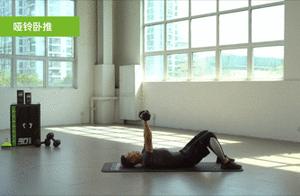
No Gym Needed: 24 Exercises to Do at Home for Weight Loss and Muscle Building, 3 Ways to Set Up Your Home Gym
List 24 strength training exercises to sculpt your physique. Refer to this list for inspiration, and during implementation, be prepared with dumbbells or water bottles. Choose exercises suitable for yourself or the muscle groups you want to focus on, and stick with them.
Part 1: Shoulders
During shoulder training, don't overly prioritize heavy weights, as the triceps brachii and semitendinosus are pennate muscles, unlike the pectoralis major and latissimus dorsi. Therefore, they are more sensitive to medium-weight, high-repetition training. Shoulder training can use lower weights with each exercise for 12-20 repetitions. Rest intervals should be around 30 seconds, and avoid excessive rest. Also, perform the movements slowly to reduce the risk of injury, increase work time, and help you find the position of the front, middle, and back heads of the muscles to better understand the movement.
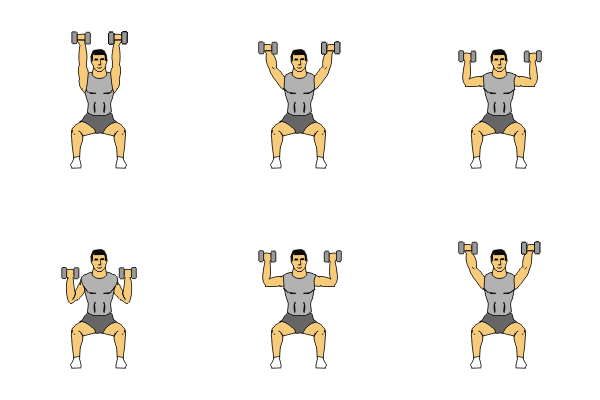
Exercise 1: Seated Dumbbell Press
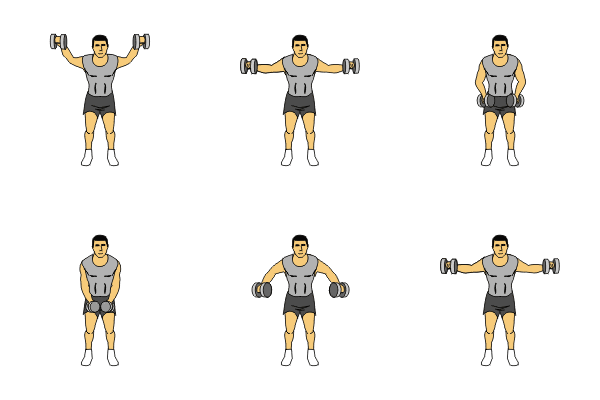
Exercise 2: Dumbbell Lateral Raise
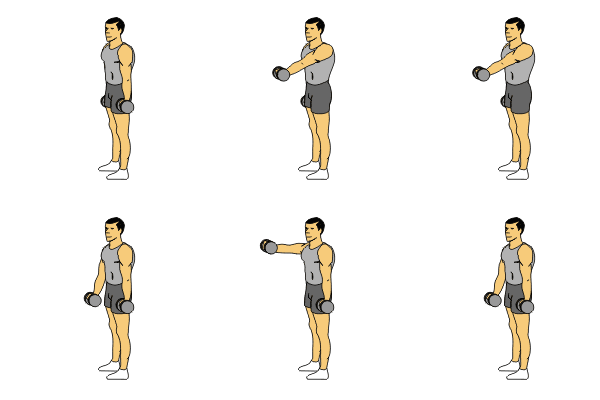
Exercise 3: Dumbbell Alternating Front Raise
Part 2: Biceps
The biceps brachii are mainly trained through flexion exercises. During training, actively control the muscle exertion, slowly lower the dumbbell, don't let the arm drop freely, and choose medium weights for each exercise, with 3-4 sets and 8-12 repetitions. Once you master the correct technique, gradually increase the weight. For slender physiques, you can reduce the number of sets and repetitions accordingly.
Exercise 1: Priest Chair Dumbbell Curl
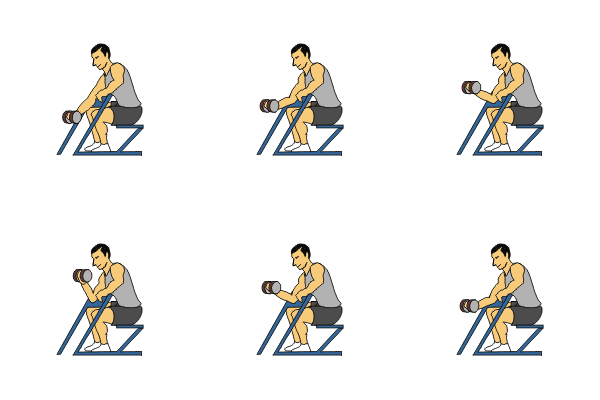
Exercise 2: Dumbbell Hammer Curl Alternating
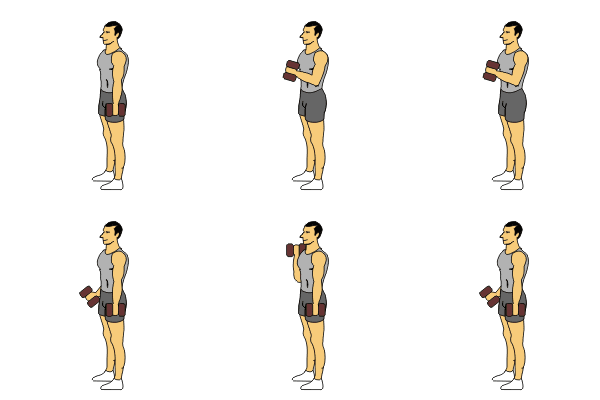
Exercise 3: Dumbbell Incline Alternating Curl
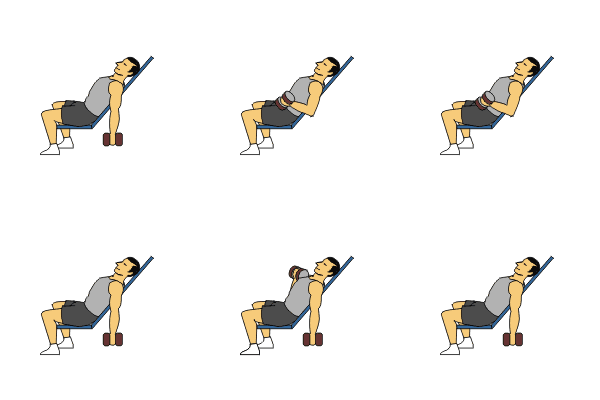
Part 3: Triceps
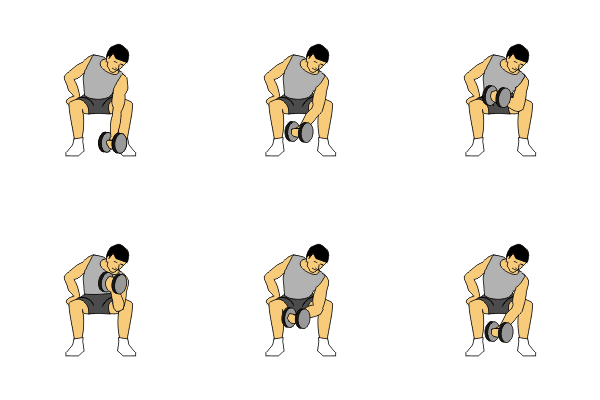
Compared to the biceps brachii, the triceps brachii is a muscle prone to fat accumulation, and its relaxation and drooping can affect the overall posture and aesthetics. Training this muscle primarily involves arm extensions. During these exercises, pay attention to keeping the upper arm stationary to avoid movement of the chest and shoulders.
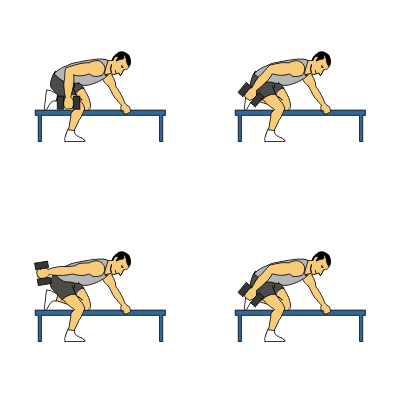
Exercise 1: Decline Dumbbell Arm Extension
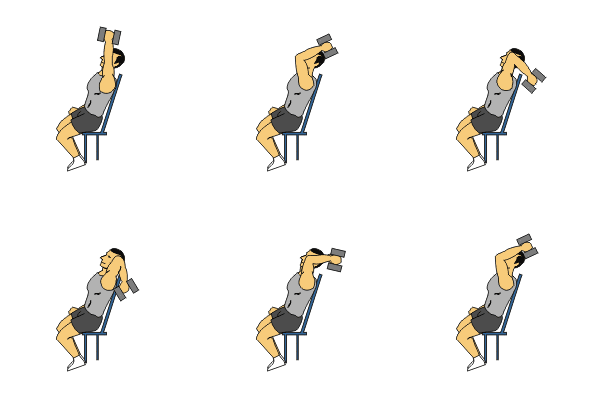
Exercise 2: Seated Dumbbell Overhead Extension
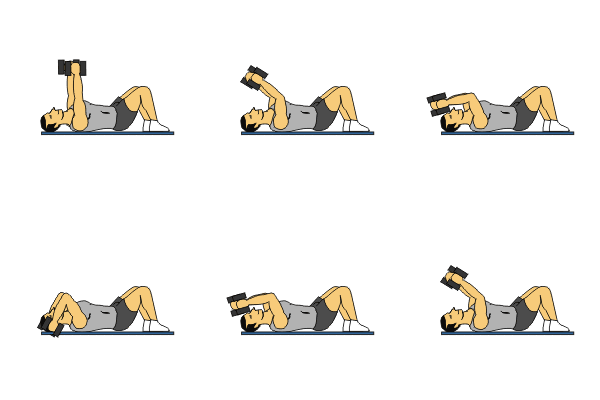
Exercise 3: Lying Dumbbell Arm Extension
Part 4: Chest
During chest training, adjust the body's inclination angle to target the upper, middle, and lower sides of the chest. The upper chest is most influential on the appearance of the chest, so it's important to use incline exercises. The lower chest is trained in other exercises, so you can choose whether to use decline exercises based on your situation and needs. In actual training, it may be difficult to feel the contraction of the chest muscles. At this time, reduce the weight, pay attention to the peak contraction and eccentric control during the movement, and squeeze the chest muscles as much as possible within a controllable range. Each time.
Exercise 1: Flat Dumbbell Bench Press
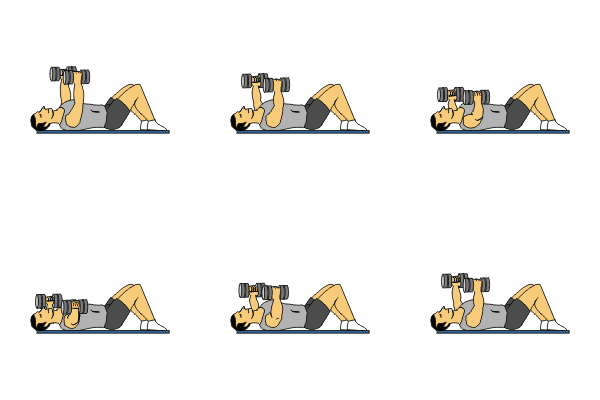
Exercise 2: Flat Dumbbell Flyes
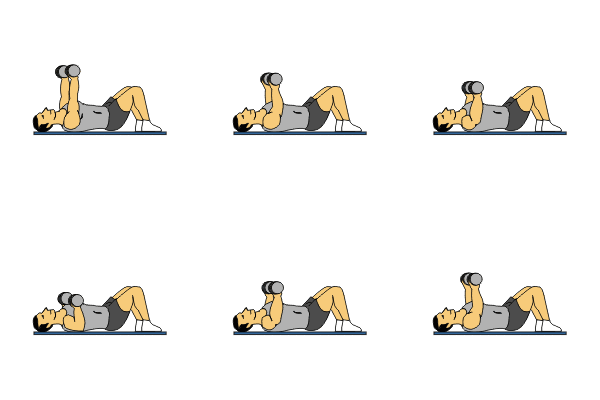
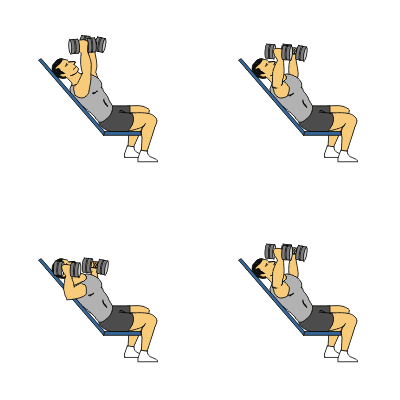
Exercise 3: Incline Dumbbell Bench Press
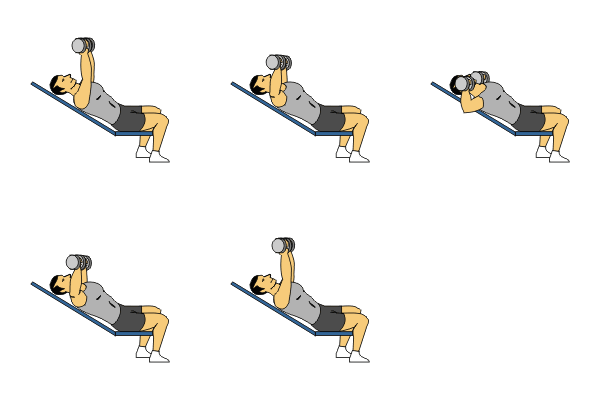
Exercise 4: Incline Dumbbell Flyes
Part 5: Back
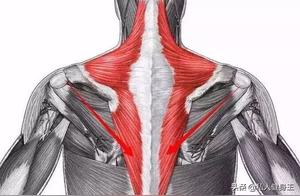
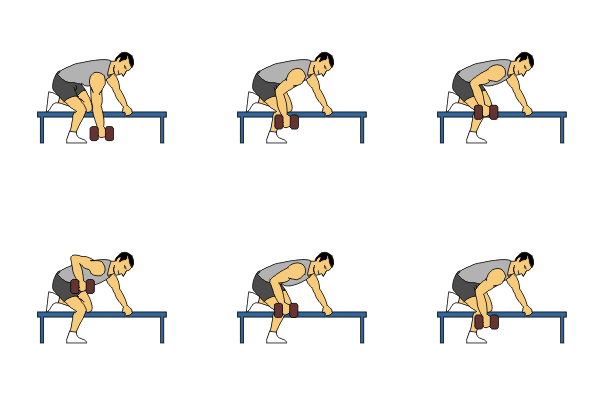
During back training, fix the shoulder blades to concentrate the muscle exertion of the back muscles; pay attention to the peak contraction, at the top of the movement, exert all your strength to press your shoulder blades, maximize the contraction of your back muscles; during the downward movement, actively control, don't relax or let the movement drop freely; whether it's any muscle training, you should conduct a comprehensive stimulation.
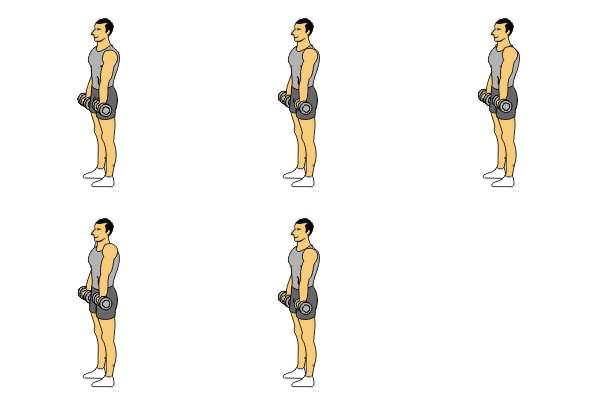
Exercise 1: Dumbbell Shrug
Exercise 2: Decline Dumbbell Rows
Exercise 3: Decline Dumbbell Single Arm Rows
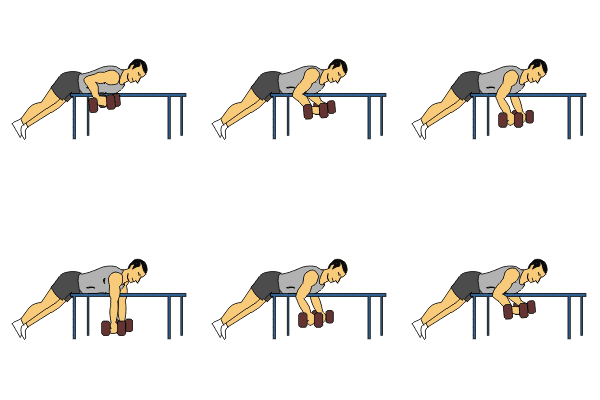
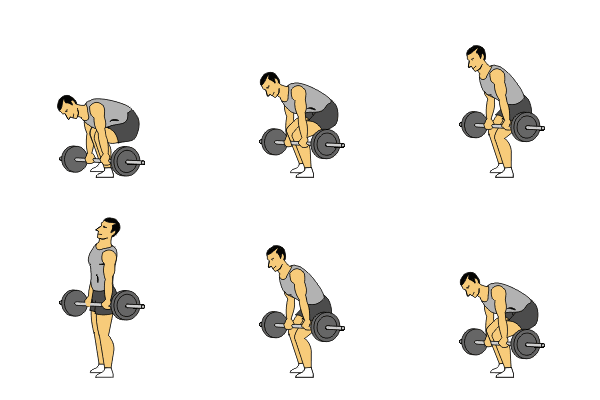
Exercise 4: Weighted Leg Curls
Part 6: Abs
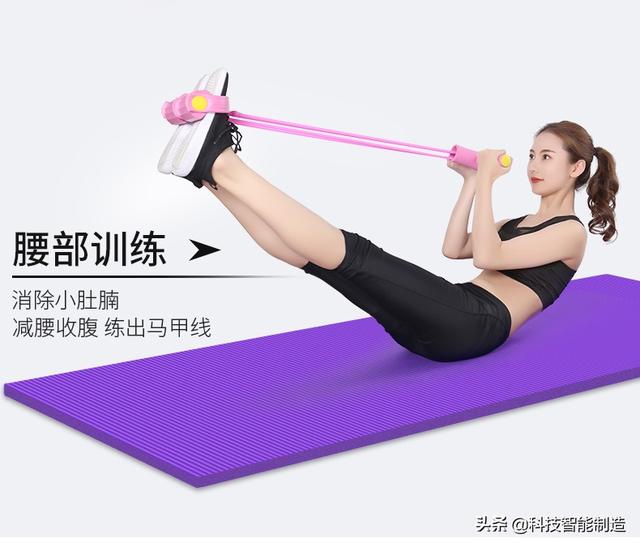
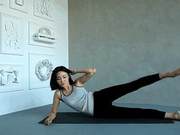
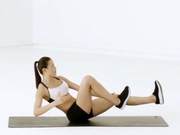
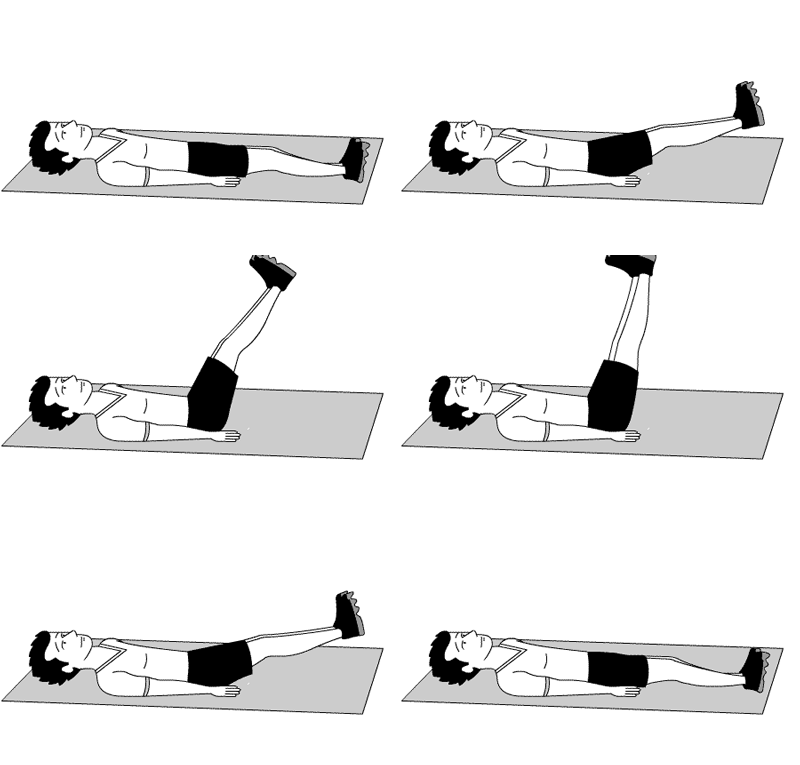
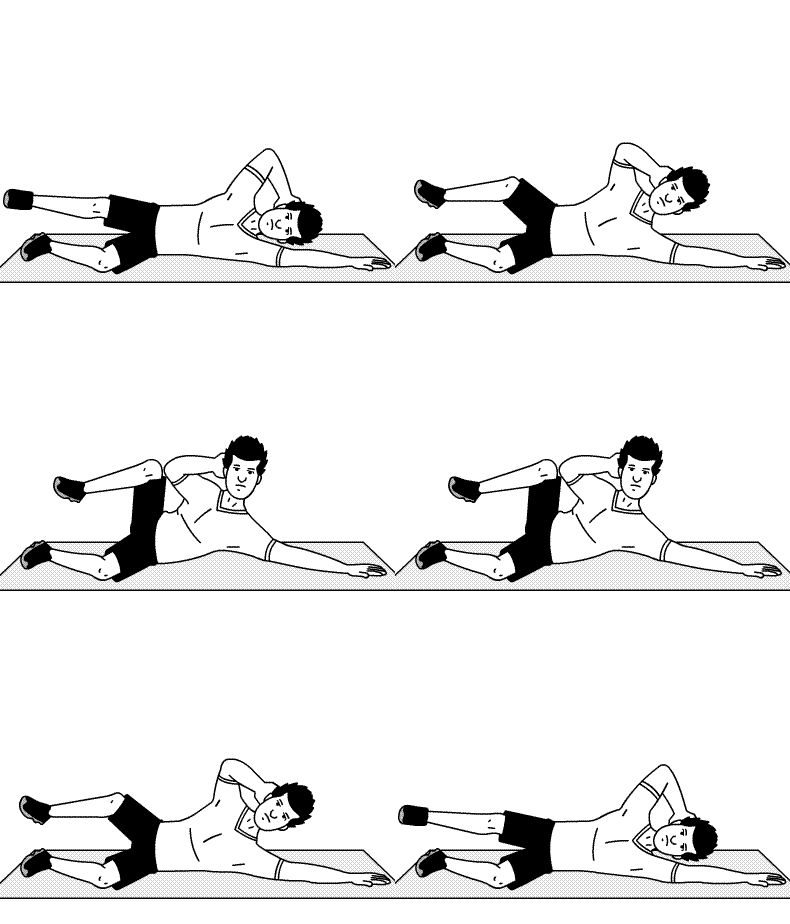
During abdominal training, choose hand exercises to satisfy the stimulation of the abdominal muscles. When choosing exercises, you should select exercises that target the upper rectus abdominus (such as crunches), the lower rectus abdominus (such as lying leg raises) and the oblique muscles (such as side crunches or twists). Don't just choose one exercise to do hundreds of times. During the exercise, pay attention to the feeling of muscle contraction, and slow down the movement to feel it. Exhale when curling up to squeeze the abs, and inhale when returning to the original position.
Exercise 1: Crunches
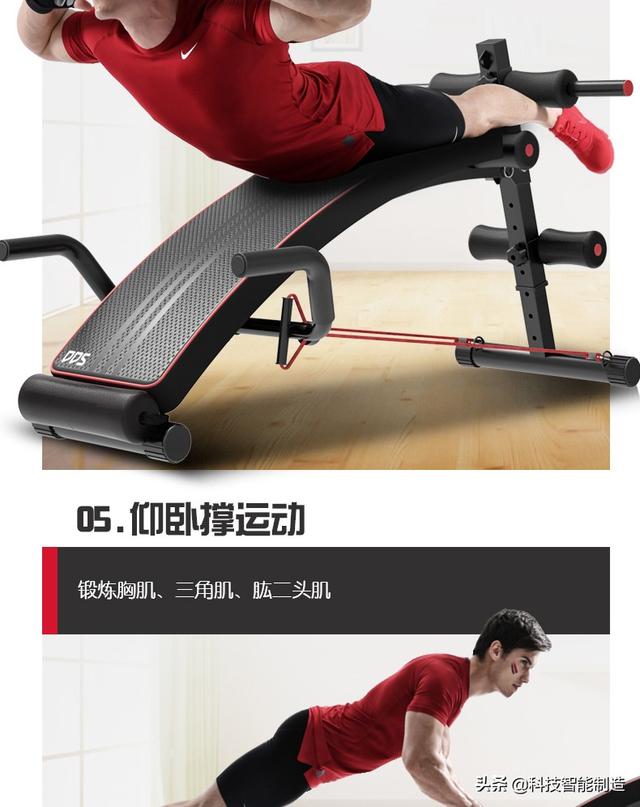
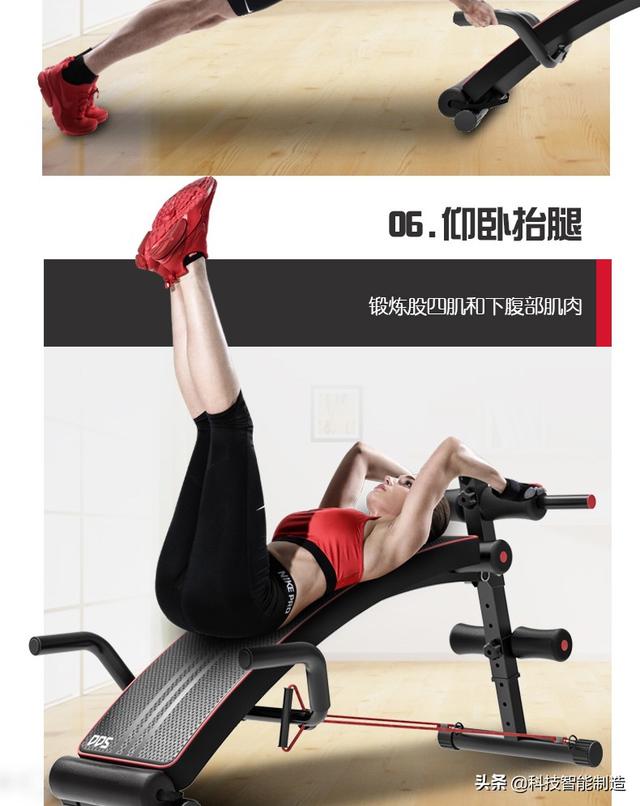
Exercise 2: Lying Leg Raises
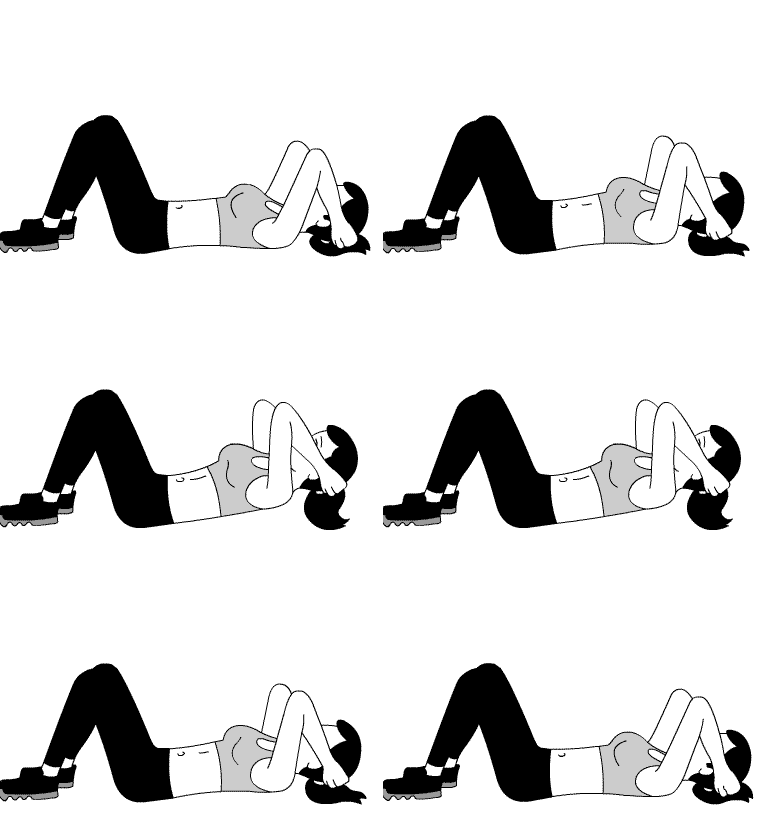
Exercise 3: Side Crunches
Part 7: Legs
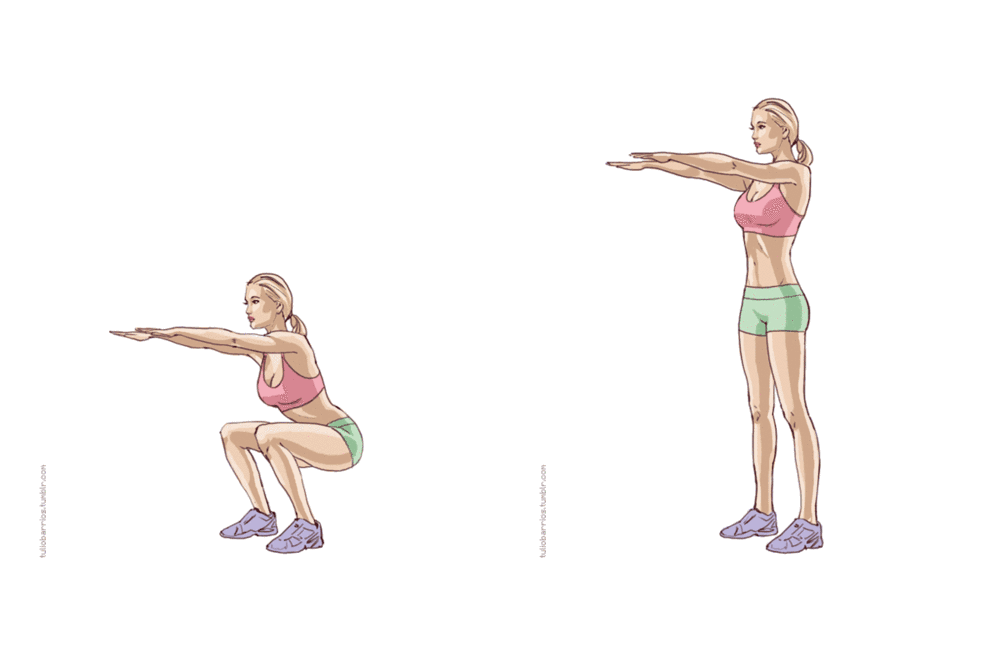
For training the hips and thighs, leg press exercises are undeniable. In these exercises, pay attention to keeping the back straight during the movement, lower the hips towards the back seat, don't lower the hips downwards, lower the hips at a speed that doesn't exceed the speed, actively control, lower the hips to the level of the thighs and knees parallel to the ground or slightly lower, don't lower the hips too low to cause damage to the knees and ankles. During leg press exercises, as long as you keep the center of gravity on the soles of your feet and keep the knees aligned with your toes, don't sway your knees left or right, the knees will not be injured. Excessive emphasis on not exceeding the toes with the knees will increase the risk of injury.
Exercise 1: Bodyweight Squats
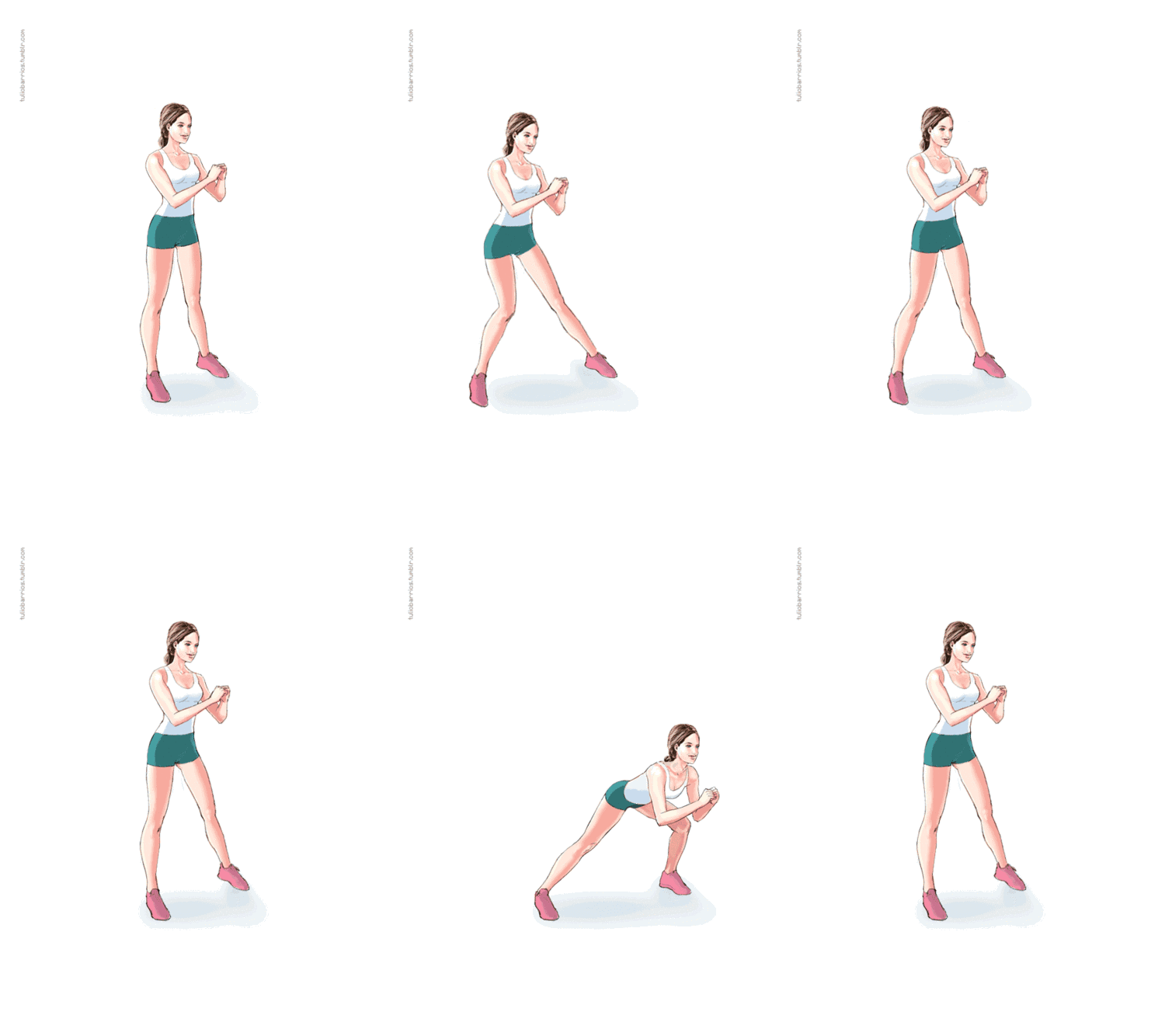
Exercise 2: Alternating Side Lunges
Exercise 3: Forward Lunges
In all exercises, standards are important, but not absolute. Because everyone's situation is different, when training, you should pay attention to the exercise standards, but not to be strict, you should do the appropriate adjustments based on your individual situation.
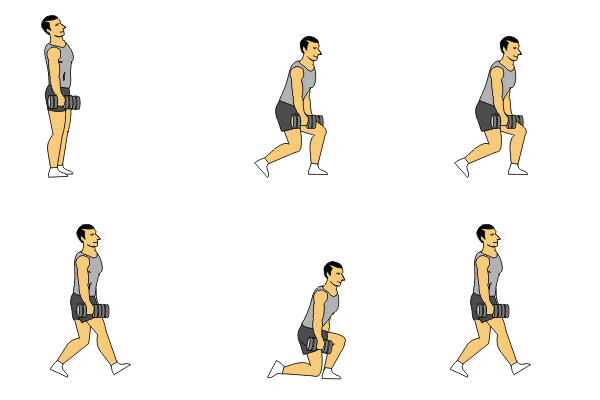
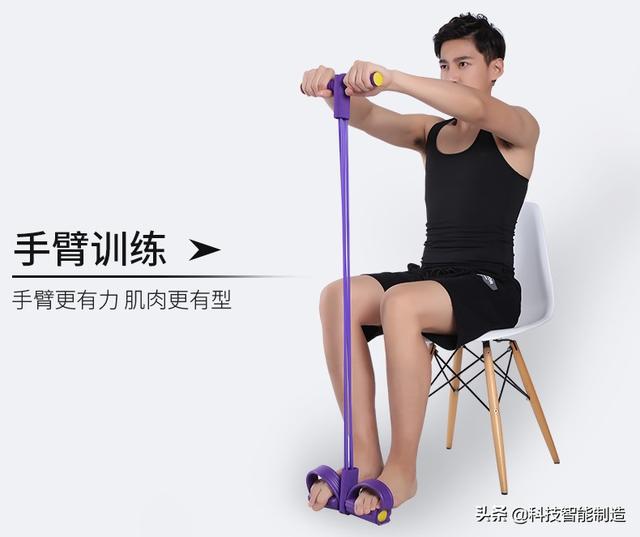
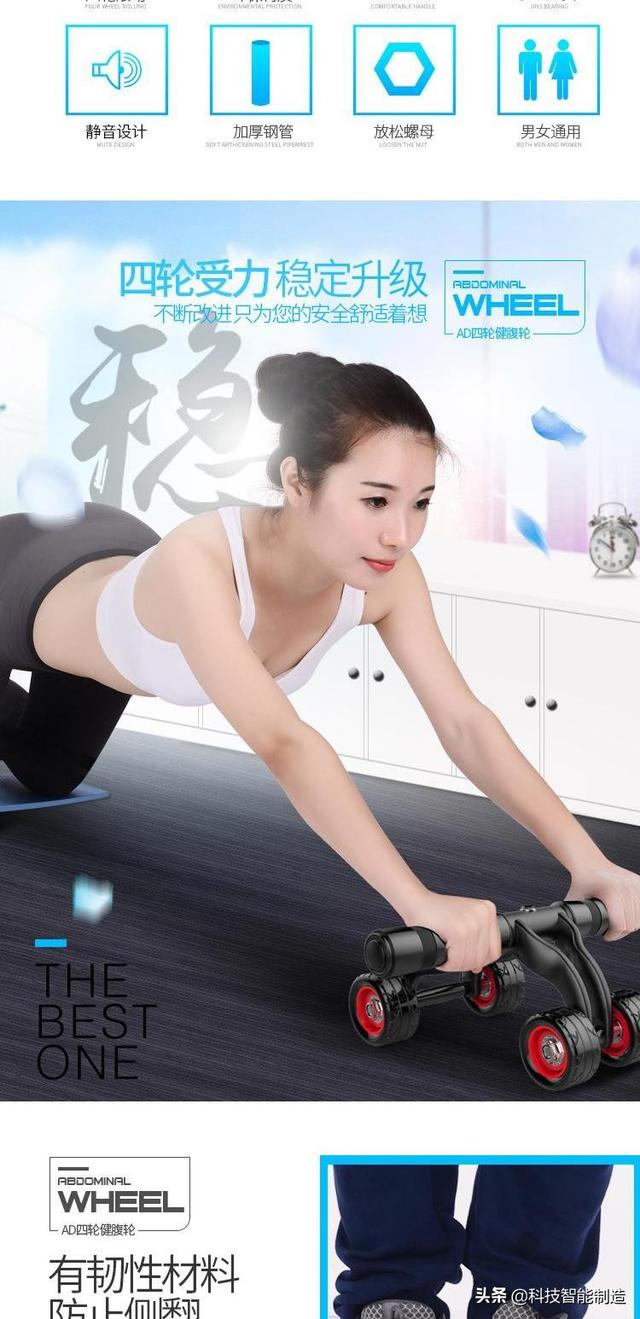
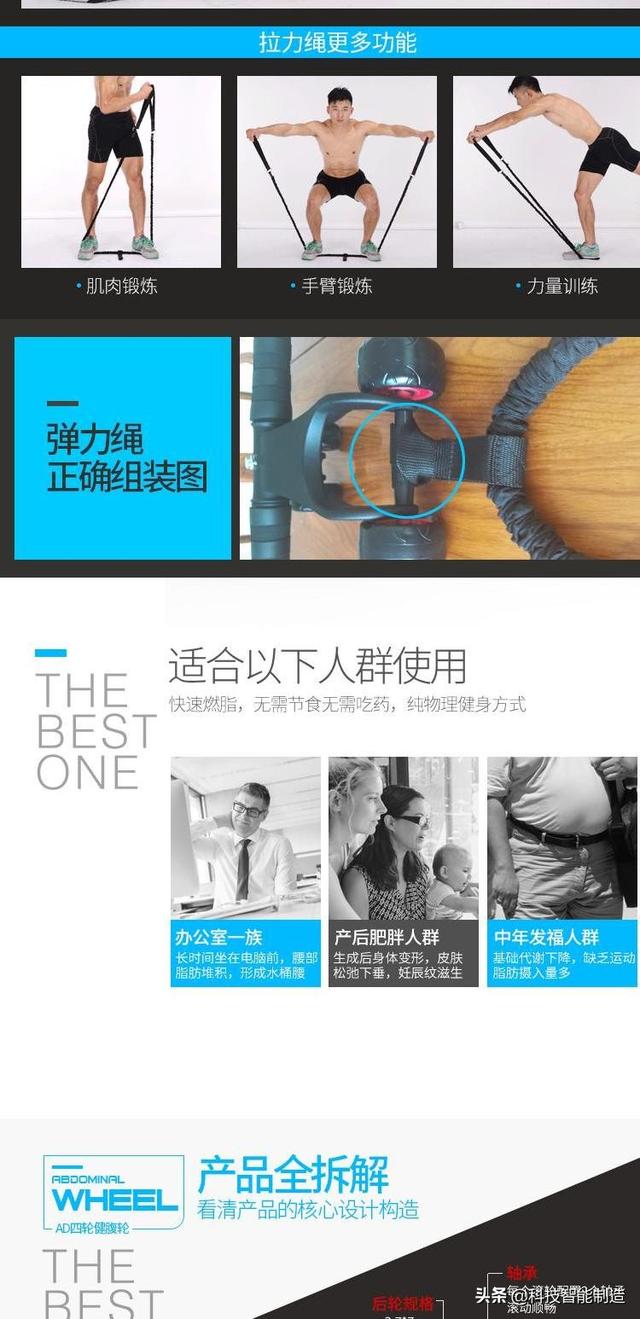
Sculpt your physique at home with these 24 exercises. If you combine these with 3 home gym opening methods, you'll get even better results in weight loss and fitness training.
24,3