How to Hydrate Athletes? Learn About Sports Hydration
Introduction: Water is the source of life
- Reference indicators for hydration
- How athletes hydrate
- Other considerations for hydration
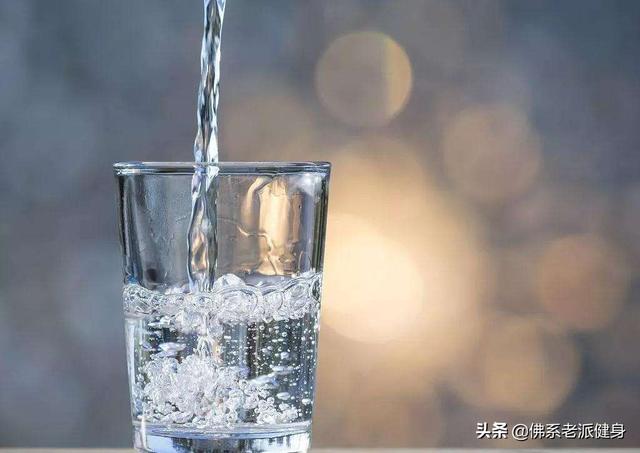
- Water is the source of life
Although water does not provide any calories,
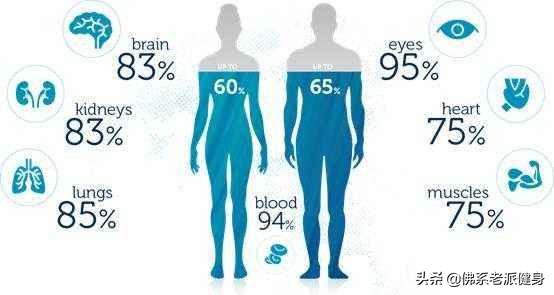
Water and oxygen are equally importantHuman body's water loss is only 20% which will cause death, while loss of 10% will cause serious illnessAnd adults can survive for 10 days without drinking water, while children can only survive for 5 days. And water makes up 50%–70% of the human bodyHuman body's waterFrom a physiological perspective, water has many important functions, including
regulating body temperature, protecting vital organs, providing the driving force for nutrient absorption, serving as a medium for all biochemical reactions, and maintaining the higher blood volume required for optimal athletic performance. Therefore, hydration is crucial for athletes
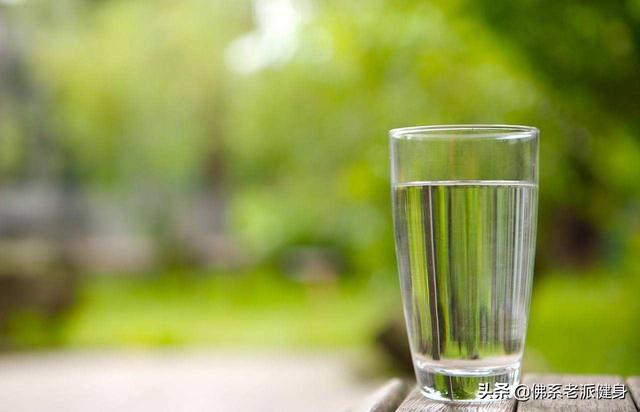
who exercise. This article will guide you on how to hydrateReference indicators for hydrationFor trainers, if you train for one hour a day, the total water intake for the day should be at least 3 liters
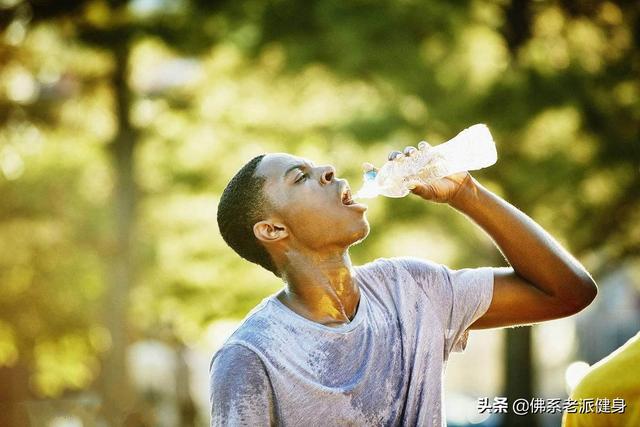
In the hot summer or in severe weather conditions, or when the training intensity increases or when consuming high protein and high salt, athletes need to supplement more water
Sports hydrationUrine color and frequency can often be used as a key indicator of whether we need to hydrateGenerally, the less water in the human body, the darker the color of the urine and the stronger the odor. Conversely, sufficient hydration results in a lighter color. However, sometimes due to dietary supplementation and medication, the color of the urine may also change. But in general, urine is the simplest reference indicator. It is reliable for most people
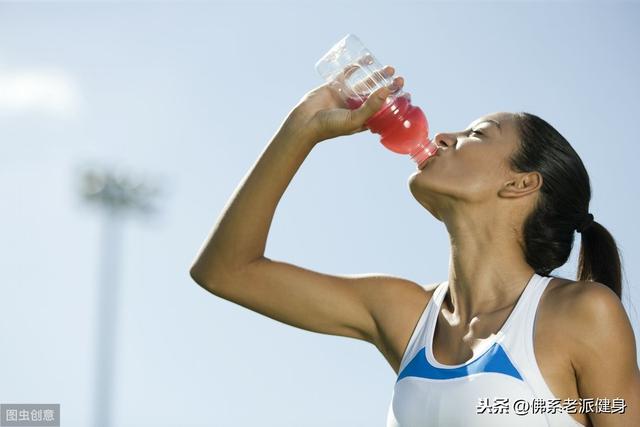
Athlete's hydration
Two hours before training, drink 500–600ml of waterDuring training, drink 200–300ml every 10–20 minutes, or drink water according to the amount of sweat
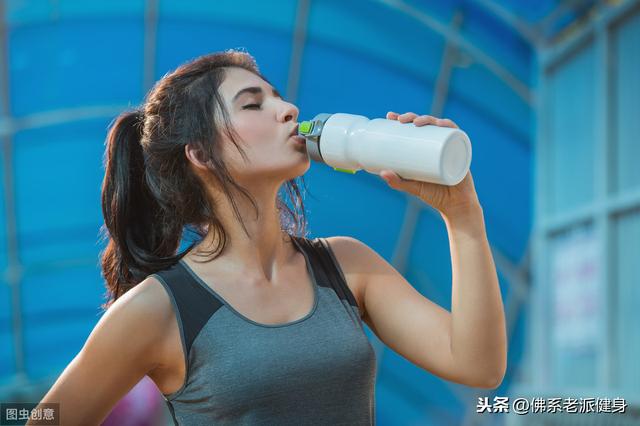
After training, drink 450–675ml for every 0.5kg of weight lost
In addition to supplementing water, we should also pay attention to a component is electrolytes
Electrolytes are minerals, they dissolve in water with different solubilities and carry an electric charge, including salt, acid and alkali
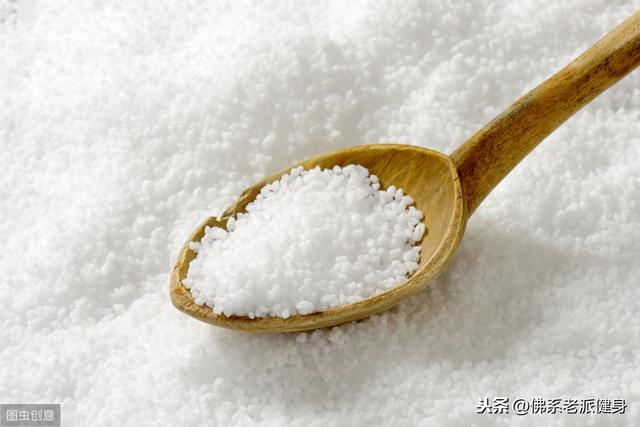
Among them, common electrolytes are table salt (sodium chloride)
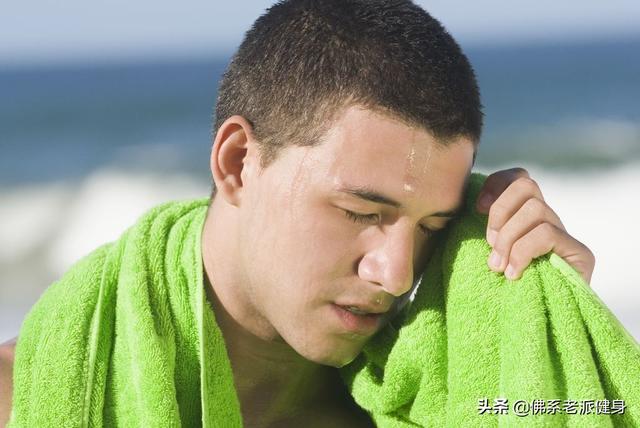
So, when hydrating, we should not ignore the supplementation of electrolytes, because electrolytes are continuously lost from our sweat, although it has little impact in the short term, but the total amount is still considerable over timeSports sweating will take away electrolytesThe lost electrolytes are mainly sodium, if the sodium content in the blood is low, it will cause fatigue, a significant decrease in strength, headache, nausea and muscle spasmsSo how to avoid low sodium levels in the blood during exercise?Table salt (sodium chloride)
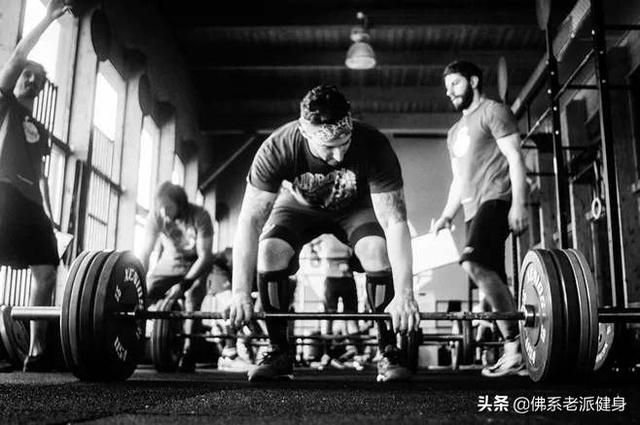
Normally, training does not exceed 90 minutes
And the athlete is not in a state of fat loss or dehydration, drinking appropriate amount of minerals is sufficient. Here, mineral water suggests a water rich in sodium (400–1100mg/L) without gasStrength training
And the training environment is high temperature, two hours before training is dehydrated or a novice, it is recommended that the sodium content in water try to approach the maximum (1100mg/L), and can add fruit juice, mineral water and fruit juice in a ratio of 1:1 or 2:1, this ratio is usually comparable to most glucose-electrolyte drinks
Fruit juiceRegarding endurance athletes
In order to maintain the stability of the body's function during training, endurance athletes need to replenish carbohydrates in time. The recommended carbohydrate content in water is 2%–8%, if the water contains ordinary sugar, the recommended content of 7% is most conducive to penetration into the blood. If it is glucose, it should control the content to 4%–5%
Supplementing electrolytesOther considerations for hydrationIn addition to drinking water, we can also use the intake of food to help us hydrate, such as vegetables and fruits are good choices, vegetables and fruits contain more than 80% water, so they can effectively help athletes supplement water

Fruits and vegetables
However, when hydrating, we should avoid excessive supplementation of water in the short termBecause excessive water replenishment will dilute the blood
causing 'water intoxication (hyponatremia)' leading to brain disease or brain edema. In 2002, a female athlete in the Boston marathon died due to drinking too much water (approximately 3 liters in one hour)
Summary: Reasonable hydration not only maintains the water level in our body but also makes our bodies healthier and achieves better athletic performance.
I am a Buddhist old-school fitness, thank you for your attention, if you have any questions, please leave a message below, I will answer them one by one for you.

""200213