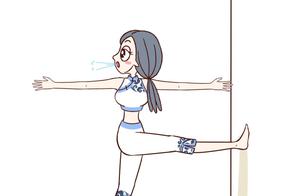
Hamstring Back Muscle Group: Whether to Stretch or Strengthen – Two Exercises Teach You How to Test.
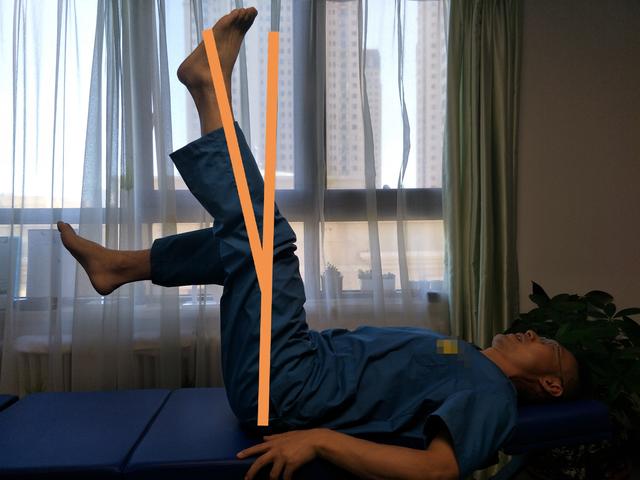
I previously shared the method for testing hamstring tightness, teaching everyone how to use one movement to test whether the hamstring or is tight, making stretching more precise. This article shares the testing method for the hamstring muscle group on the back of the thigh.
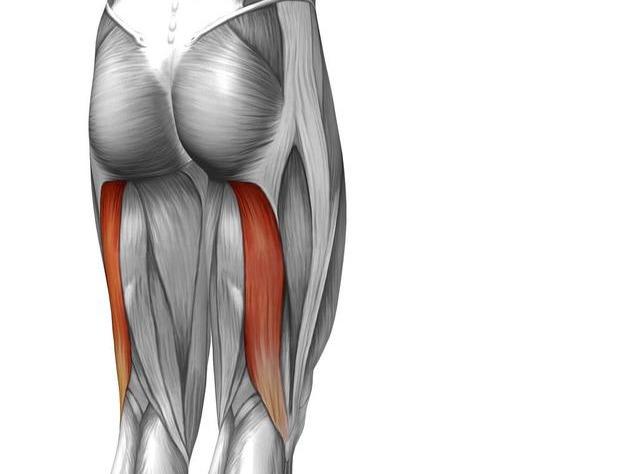
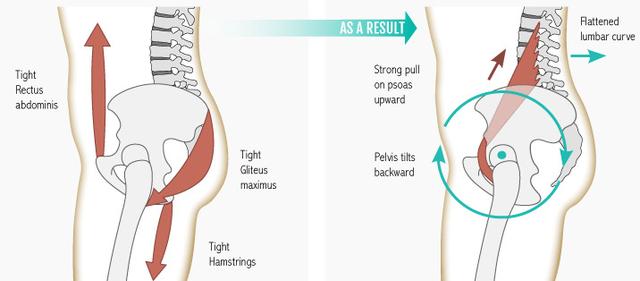
The hamstring muscle group is mainly composed of the biceps femoris, including the lateral head and the medial head and semitendinosus and semimembranosus, all of which are collectively called the biceps femoris. It can extend the hip joint by contraction, which is to extend the thigh backwards, can be with bent knee, it can also make the pelvis tilt backwards, stabilize the pelvis. Because of its attachment at the lower end to the calf, it can also maintain the stability of the knee joint. The muscle strength of the hamstring is less than that of the quadriceps femoris on the front side, and the strength of the quadriceps femoris is about 3 times that of the hamstring. Ordinary people's hamstring strength is relatively weak, but this does not mean it cannot be tense, the most common cause of hamstring tension is muscle imbalance, mainly because of weak gluteal muscles or excessive activation during hip extension, leading to the hamstring being in a prolonged state of contraction and tension. In addition, bad living habits, such as long sitting, bent knee posture, and pelvic tilt, also cause the hamstring to continue to contract and shorten.
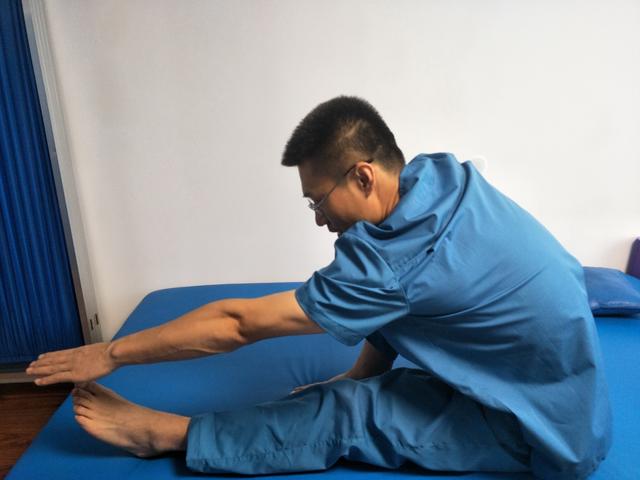
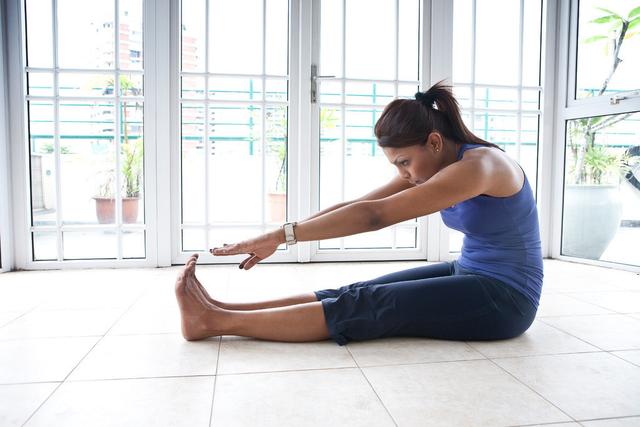
Some people see others stretching the back of their thigh and follow suit, but in reality, they don't feel the effect, which may be because the hamstring is not tense, because the hip joint flexibility is poor, or the back muscles are overly tense. The following picture shows that if you can touch your toes with a pull on the back of your thigh, the action has little effect on improvement, mainly because the hip joint flexibility is insufficient.
90902020