Salt-Preserved Pork () – A Simple Recipe for Long-Lasting Flavor
Everyone, upon seeing the word '' (preserved pork), will surely conjure up a delicious image of perfectly cured, sun-dried pork. However, this '' is not the same as the '' from the south. The '' I'm referring to is the pork I make in December, preserved in a salt water brine. Because I make it in December, I call it ''.
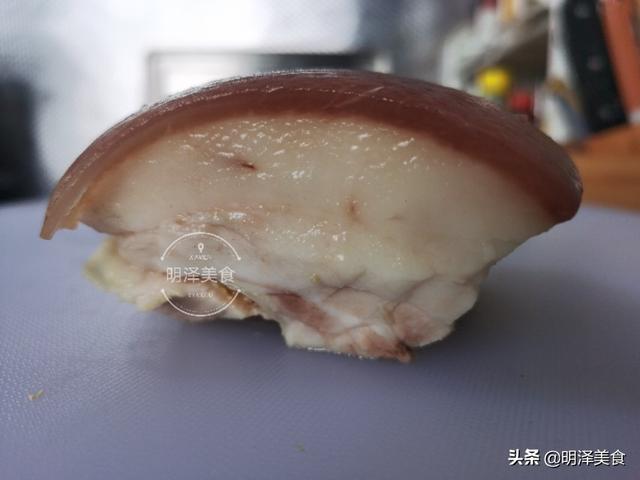
Using this method to preserve pork is what I learned from my mother. I still remember when I was young, my mother, besides making Lu'an garlic in December, would also preserve a pork belly for us. At that time, I asked her, 'What kind of meat is this?' She said, 'It's also called ', but it's not the southern style , it's the kind we make at home. Because it's preserved during the December period, my mother named it ''. Since my mother passed away, I've never had the opportunity to taste this dish made by her. It's a dish I can never eat again, a dish made by my mother.
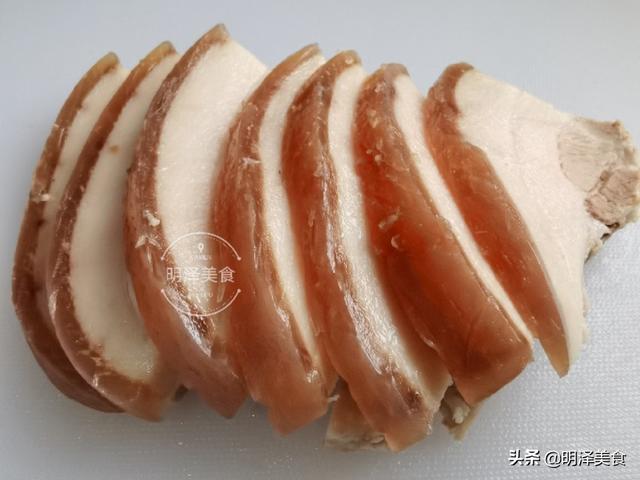
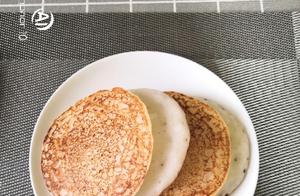
Due to the extremely cold climate in the north, it's impossible to make southern-style preserved pork. We also don't like eating the kind that's sun-dried. Therefore, we prefer to use salt water to preserve pork belly, letting it sit and change color before rinsing it off and cutting it into slices. Then we wrap it in glutinous rice paper and pan-fry it for consumption. The pork belly preserved with salt and seasonings for a long time will develop a unique flavor. It's hard to describe the taste; the texture is really delicious. Because the glutinous rice paper absorbs the fat from the pork belly, the pork belly becomes less greasy and very tender.

Using this method to make preserved pork, the preservation time is relatively long, but it must be stored in a relatively low temperature environment. In winter, we can store it in a cold storage, and in the warm season, we can store it in the refrigerator. If stored properly, it won't have any problems even after several months.
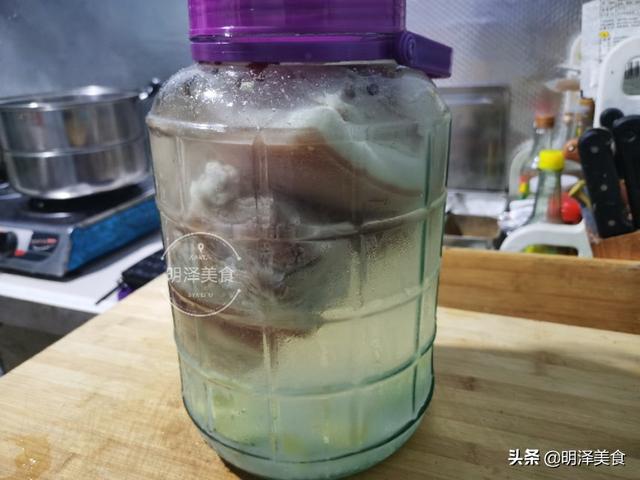
In fact, the method for making this preserved pork is very simple, but many people don't know this method, so I'm sharing my own unique method for making preserved pork at home. Today, I'm going to share this method with you, which is the method for making ''.
Ingredients: 2000g pork belly, 5g Sichuan peppercorns, 5g star anise, 50g scallions, 50g ginger, a little chili pepper, 100g salt (Since the concentration of the salt water is a bit higher, the amount of salt should be more).
–Method–
1.
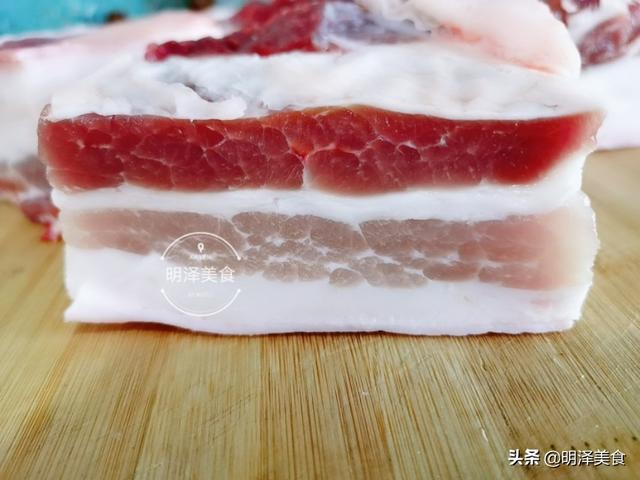
First, clean the fur from the five-spiced pork belly and rinse it with water, then cut it into large blocks. The shape of the pork belly can be determined by your preservation tool.2.
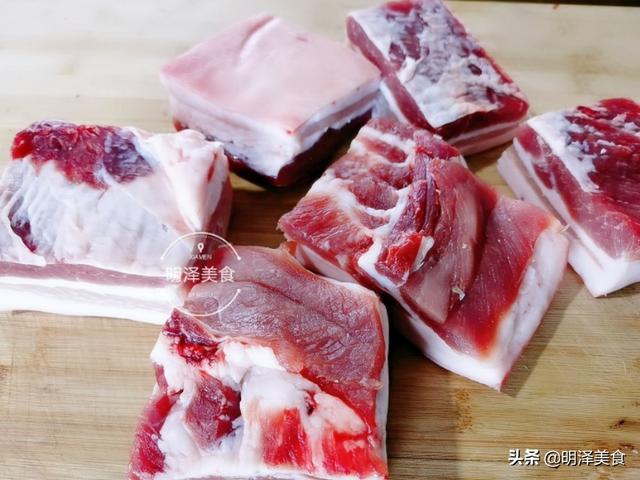
Place the pork belly in a pot, add water, and add a little scallions and ginger, star anise and chili pepper. Place the cut pork belly blocks into the pot, and bring to a boil over high heat. After removing the foam, turn the heat to low and simmer for half an hour, cooking the pork belly until it's cooked but not overcooked.3.
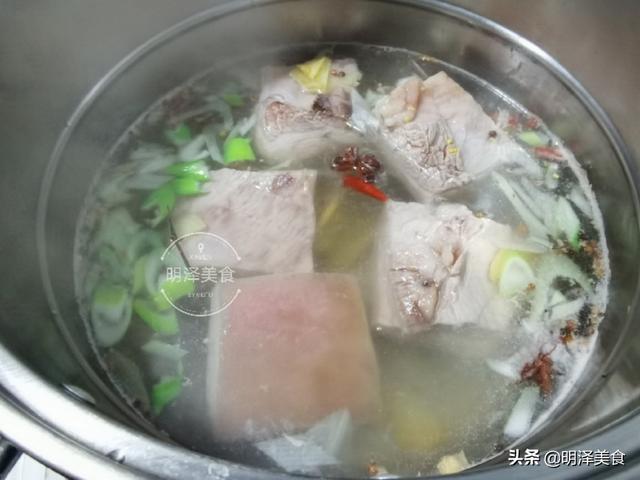
Take out the cooked pork belly, rinse it with water, dry it with a towel, and then cut it into slices. We must cool the pork belly completely before preserving it, otherwise it will spoil quickly.4.
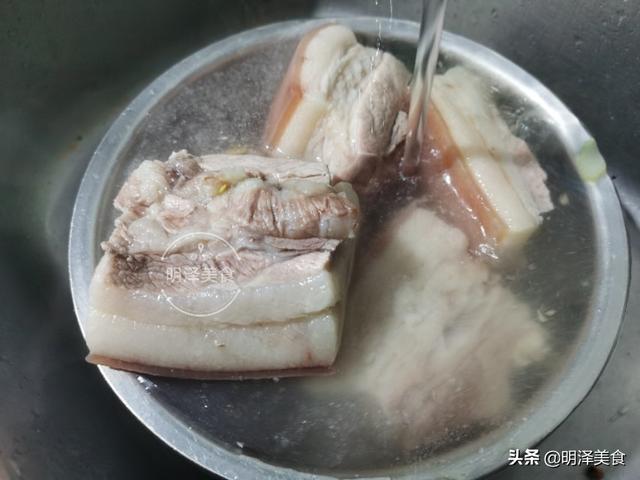
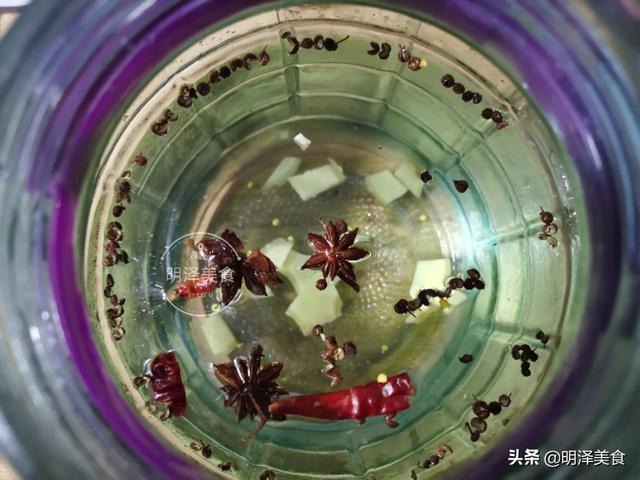
Find a large glass bottle, wash it clean, and pour in some purified water or spring water, then put in salt, Sichuan peppercorns, star anise, scallions, ginger, chili pepper. Immerse the seasonings in the water.5.
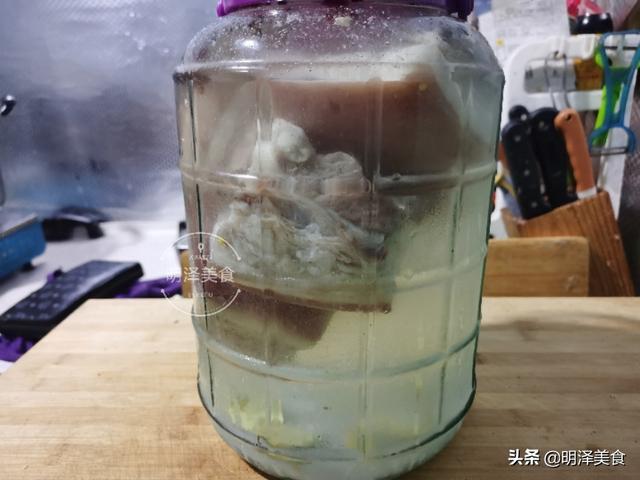
Once the pork belly is cooled, we'll put it in a bottle containing the brine, and then fill the bottle with water, without letting the pork belly float, and then seal the bottle tightly, and store it in a low-temperature room. It takes a month to preserve the pork belly.When preserving , pay attention to the following points.
①. It's best to use pork belly with skin as the raw material for preservation, so that when eating, it can produce a certain amount of fat, and the texture will be better.
②. When preserving, we must use purified water or spring water, because the bacteria in water are less, and the pork belly is less likely to spoil during preservation.
③. The amount of salt must be more, so that the salt concentration in the water can reach the required level, making the preserved pork more flavorful and less prone to spoilage and decay.
④. The pork belly should be preserved for at least a month before eating, only then can the flavor of the pork belly change, and it will have that unique preserved meat flavor.
Next, I'll share with you how to cook preserved pork.
Pan-fried Preserved Pork
Ingredients: 400g preserved pork, 150g flour, 200g water.
–Method–
①. Take out the preserved pork and rinse it with water to remove the brine attached to the preserved pork, then cut it into slices.
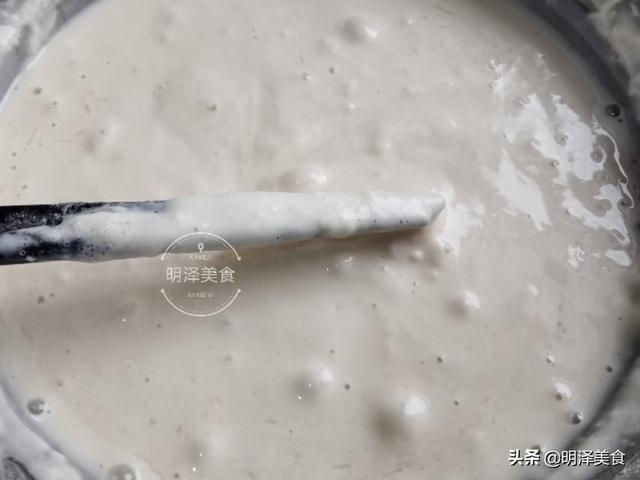
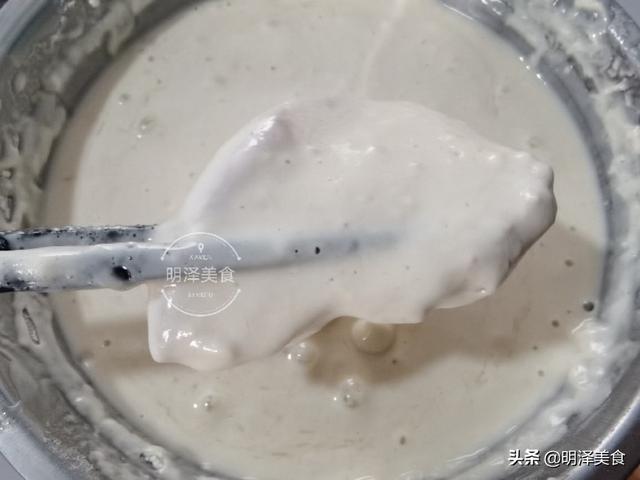
②. Prepare a little flour, add an appropriate amount of water to the bowl and stir into a flour paste, the ratio of flour to water is 1:2, that is, 100g of flour to 200g of water.
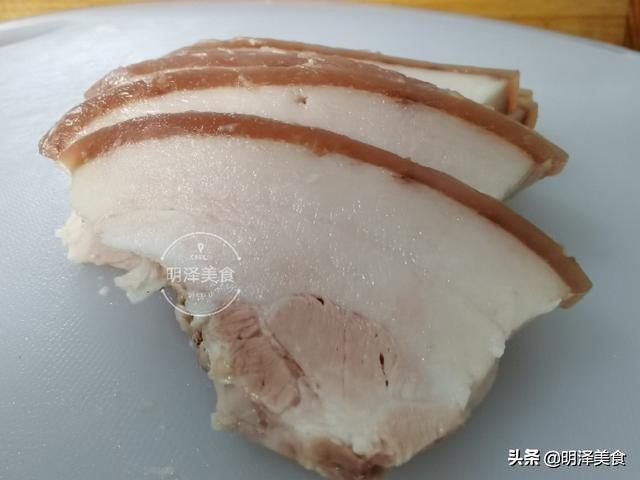
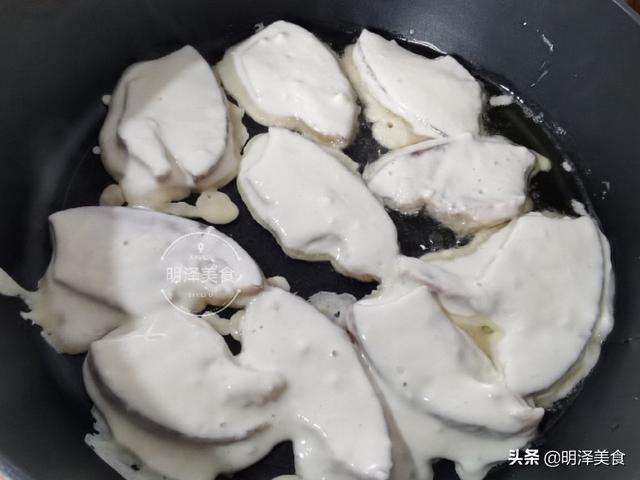
③. Place the cut slices of preserved pork into the flour paste, so that the pork belly slices are covered with flour paste, so that the preserved pork will not come into contact with oil and the pot during frying, and the texture will be more tender.
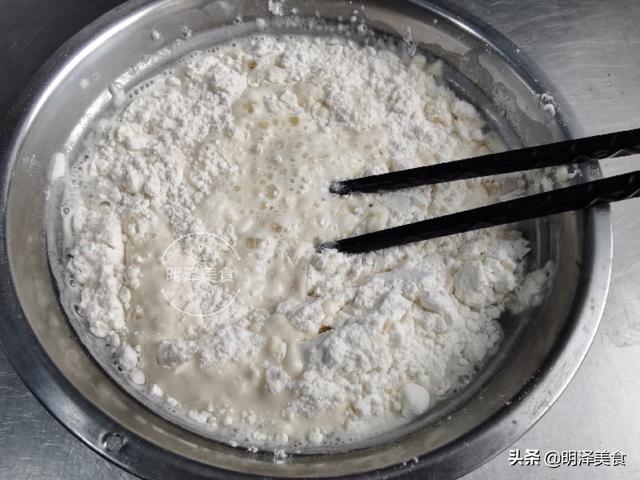
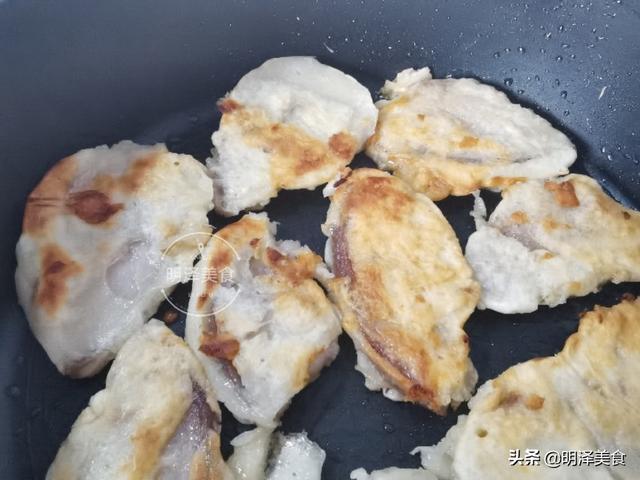
④. Add a little edible oil to the pot, and when the oil temperature reaches five-tenths hot, place the pork belly coated in flour paste into the pot and fry until golden brown, control the frying temperature, and don't use too much fire, otherwise the pork belly will burn, use medium heat to fry the pork belly until it's golden brown and out of the pot.
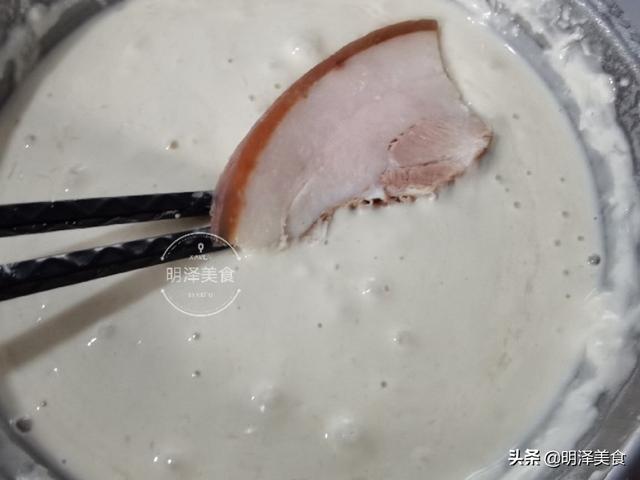
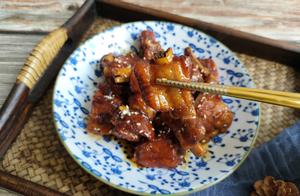
After a short frying time, this pan-fried preserved pork is ready. Because the flour paste protects the preserved pork, the preserved pork itself is very tender and will not drip out oil, and the texture is fragrant and delicious. The texture is crispy on the outside and tender on the inside.
To make this pan-fried preserved pork, you need to pay attention to these main points.

①. Don't cut the preserved pork too thin, and the thickness should be about 0.3cm. If it's cut too thin, the taste won't be enough.
②. The flour paste should be prepared according to the ratio, and shouldn't be too thin, otherwise it won't be able to evenly wrap the pork belly.
③. When frying the preserved pork, don't use too hot a pot, maintain medium heat when frying, so that the flour paste matures evenly and is eaten with a good texture.
③