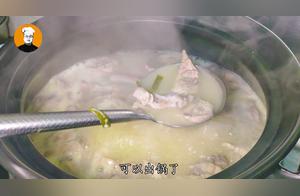
When Stewing Beef, Should You Add Salt First or Last? Incorrect Order Leads to Uneven Cooking and Lack of Flavor
Salt is the most basic seasoning among all seasonings, and it is also an essential mineral for the human body.It is listed as the ‘master of the five flavors’A dish’s quality is largely determined by how much salt is used. In the past, master chefs would teach apprentices, but the amount of salt needed for a dish was determined by the chef,This is what is meant by ‘a good chef has a pinch of salt’That is the principle. The quality of salt used is the ‘soul’ of a dish.
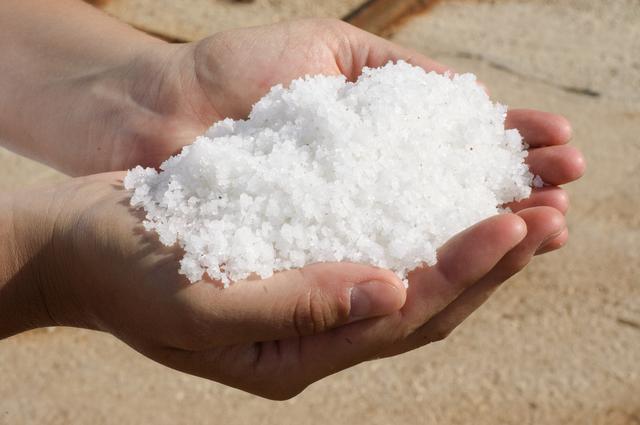
Salt not only harmonizes the five flavors in dishes, but it also has a relatively high osmotic capacity, which can react with proteins, causing vegetables to dehydrate by losing water, and it greatly affects the ingredients themselves. For example, when marinating meat slices, you first need to add salt and water to season the meat, allowing more salt water to enter and increase the hydration effect, and then seal the meat slices with starch and oil before frying, resulting in particularly tender meat slices.
Many people’s timing for adding salt is incorrect.The most widely circulated method is to add salt at the end of cooking.This method is only suitable for cooking various leafy vegetables and stewing fish. Leafy vegetables are easy to cook and will start to dehydrate when salt is added, causing water loss.
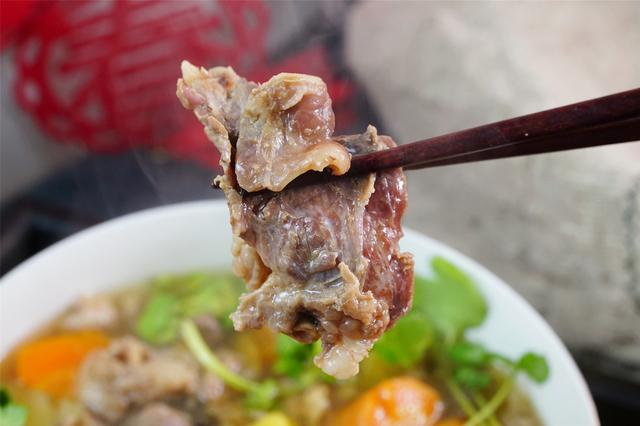
When stewing fish, adding salt in advance will affect the emulsification reaction, making it difficult for the fish broth to be fully stewed and milky.When cooking other dishes, the timing of adding salt is different.For example, when stewing beef, beef has coarse fibers and is not easily broken down. Many people stew beef and only add salt at the end, which results in the beef not absorbing flavor and takes a long time to cook.
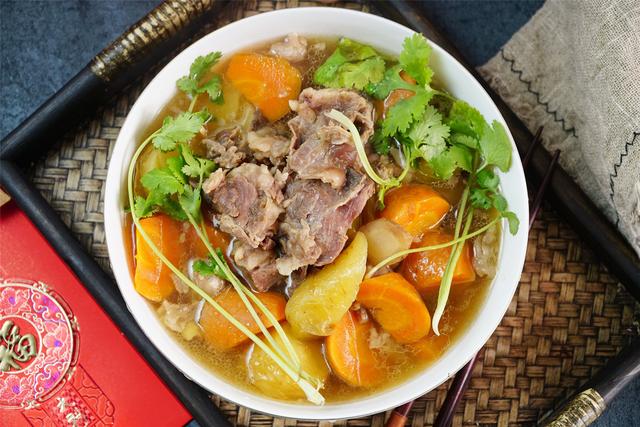
The correct method is to add salt to the beef as soon as it is put into the pot. The salt and water will constantly exchange with the beef during the cooking process, speeding up the cooking and preventing the lack of flavor.
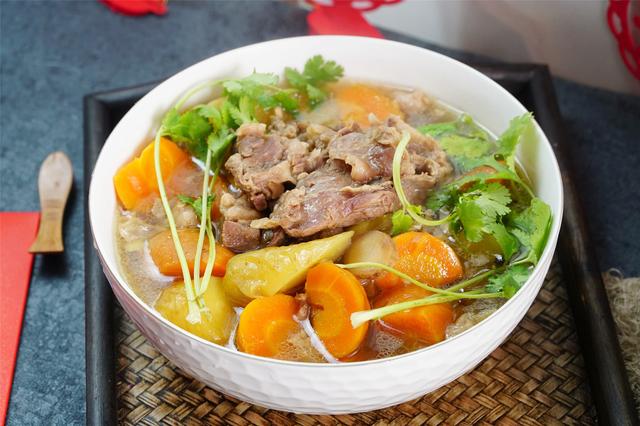
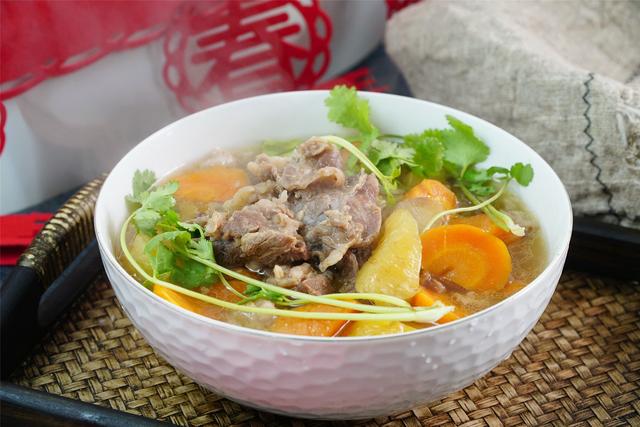
Once cooked, it is fragrant and delicious, and it saves half the effort. Here’s a recipe for Radish Stewed with Beef, which can be made in 30 minutes.
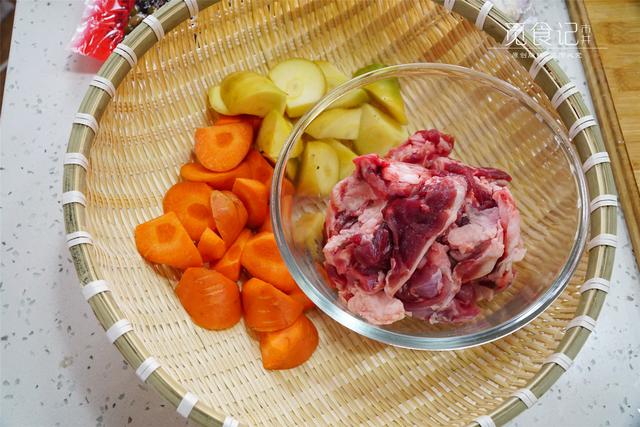
Radish Stewed with Beef
The ingredients used: 1 pound of beef, 1 carrot, 1 radish (half), 1 piece of ginger, 3 green onions, 1 piece of star anise, 1 block of white star anise, 2 tablespoons of (liao jiu - cooking wine), 2 tablespoons of (huang dou yang - soybean paste), 1 tablespoon of (hu jiu fen - black pepper), salt and chicken broth to taste.
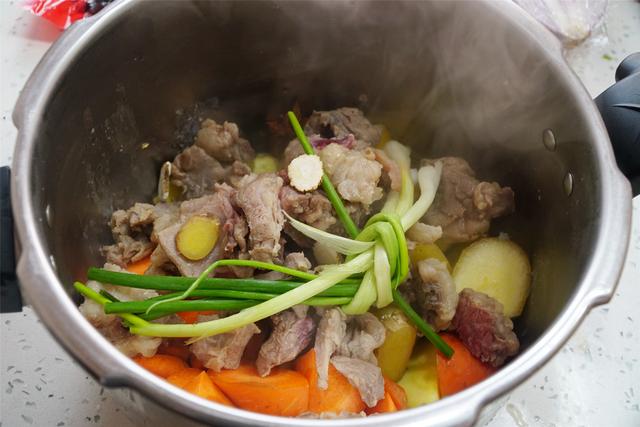
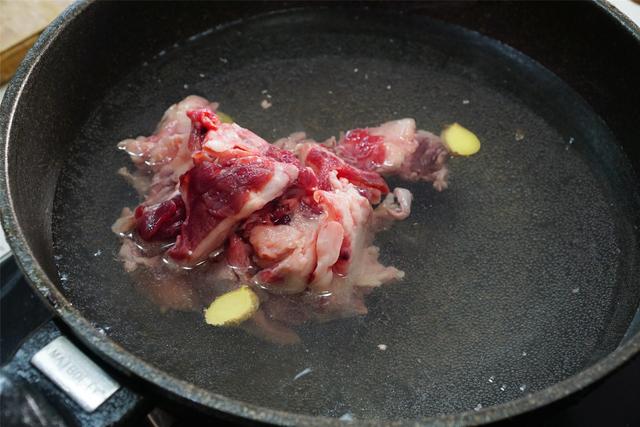
First step: I use ‘’ (jin tou ba nao - ‘tough and stringy’ beef) beef, which costs 30 yuan per kilogram at the supermarket. Add 2 tablespoons of (liao jiu) to the pot, along with a few slices of ginger and cold water to submerge the beef. Once the water boils, remove the beef and rinse it clean.
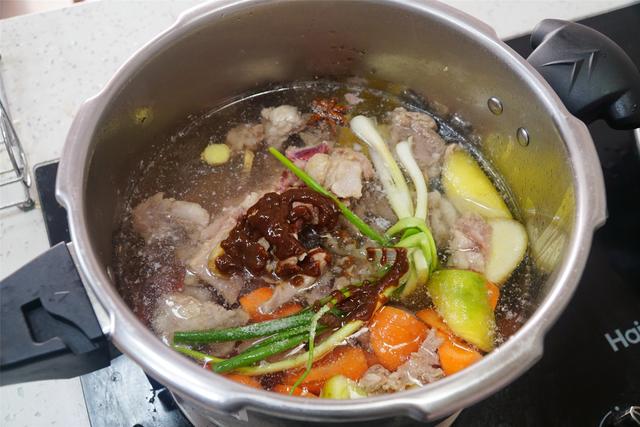
Second step: Cut the carrots and radish into large chunks and put them in the bottom of a pressure cooker. Then put the marinated beef into the pot, add a few slices of ginger and 3 green onions wrapped in a knot, 2 pieces of white star anise, and 1 piece of star anise.
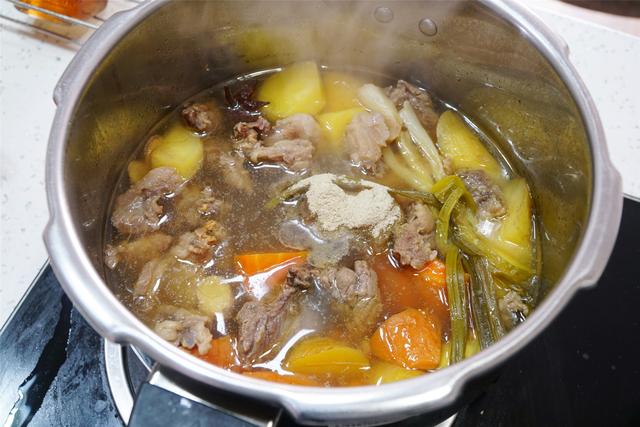
Third step: Add enough water to just cover the beef, add 2 tablespoons of salt, 2 tablespoons of soybean paste, and cover the pot with a lid. Once the pressure cooker comes to a boil, steam for 20 minutes.
Fourth step: After the beef is cooked, add 1 tablespoon of black pepper and an appropriate amount of chicken broth to adjust the flavor. This delicious beef that is tender and flavorful is ready.
———— (lao jing shuo - Old Jing’s words)
The techniques for adding salt are many, divided into cooking before adding salt, adding salt when cooking starts, adding salt during cooking, adding salt at the end of cooking, and adding salt before eating, each corresponding to different ingredients and cooking methods.
If you have any questions, please leave a comment, and I will answer them all.