Exploring Guizhou | 'Three Days Without Sour, Walking Like Running' – Why Guizhou People Obsess Over This Flavor

Without delicious food and beautiful scenery, journeys and lives are hard to be complete. If there is an opportunity, it is best not to miss it.In the 'Visiting Guizhou' of green mountains and waters, and quaint old streets, there is Guizhou waiting for you to see, hear, smell, and taste.
Wherever there is tempting food, set out!
The people of Guizhou say, 'Three days without sour, walking is like running.' I use 'tuan' here as a substitute for the last word, but it should be pronounced yinping, not ge,
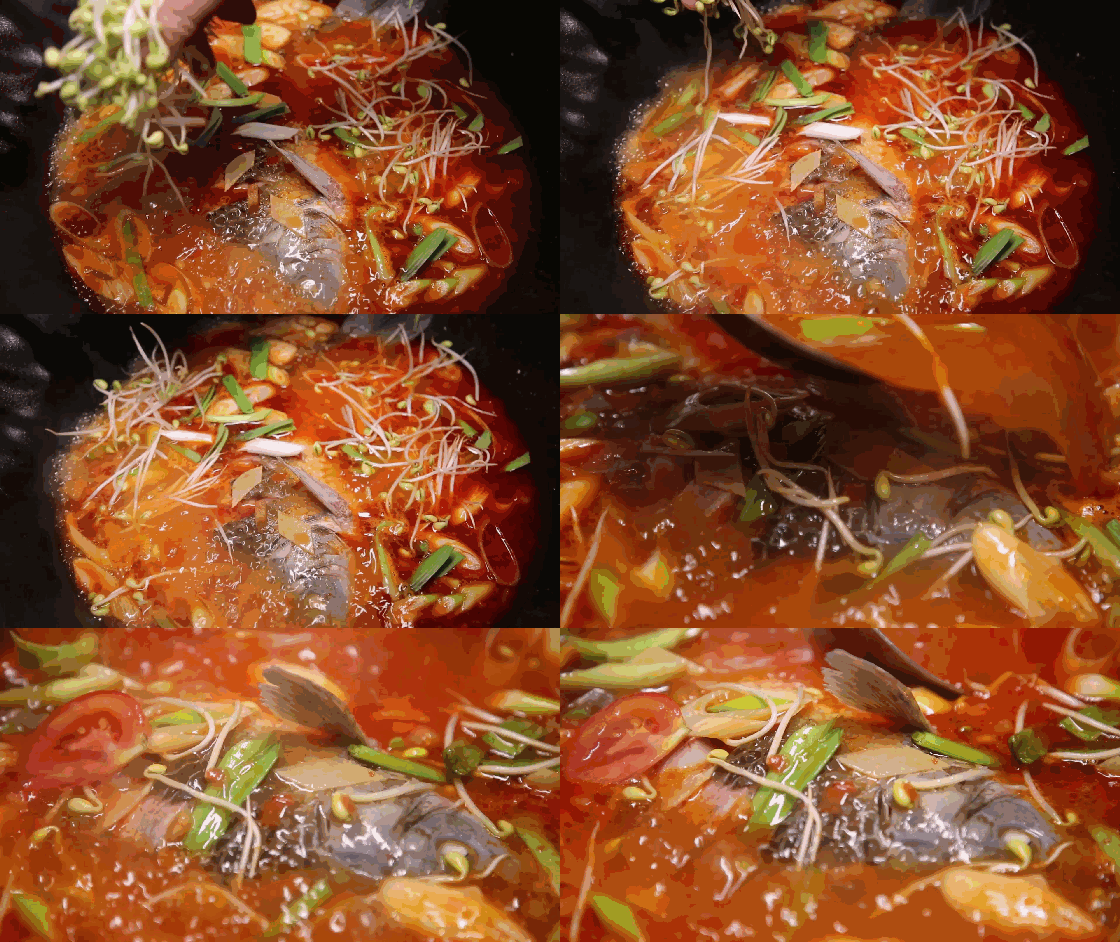
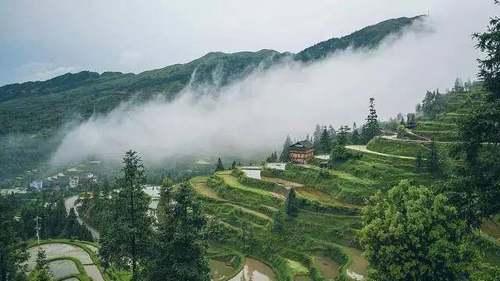
Sourness occupies a very important position in Guizhou cuisine. Generally, Guizhou people can eat spicy, but it is known that chili entered China late, and widespread use was a matter of the Qing Dynasty. Therefore, sourness probably reflects Guizhou, especially Guizhou minority ethnic areas, and its origin is rooted in the fact that Guizhou was severely short of salt in the past, leading to the need to find other tastes to make up for it.
Recently, my company, the Guiyang Confucius Academy Cultural Communication Center, has cooperated with Guizhou Telecom to launch the online 'Confucius Academy·Tianyi Cultural Lecture Hall'. The first session invited Professor Yan Qi Yan from Guizhou Normal University, whose topic was 'Bamboo Branch Words and Qing Dynasty Guizhou Dietary Culture'.
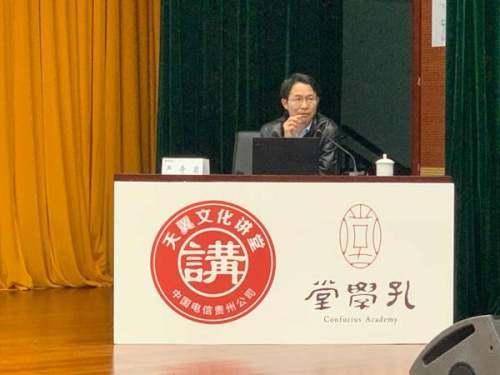
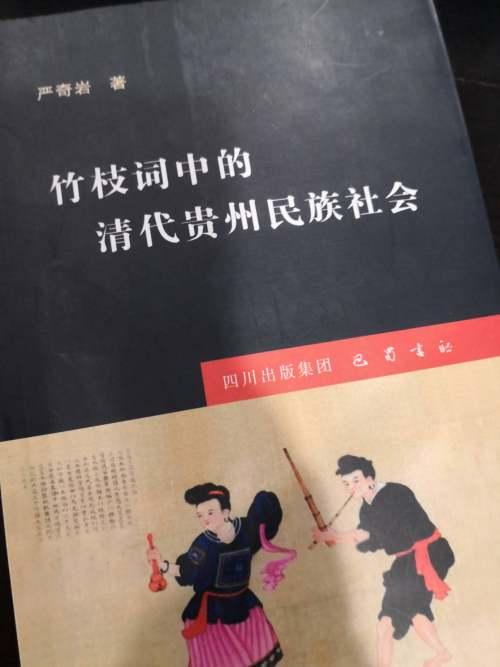
I have long admired Professor Yan's reputation, which started when I bought his ten-year-old book, 'Social and Ethnic Issues in Bamboo Branch Words of the Qing Dynasty'. Reading it was a great benefit, and I wanted him to give a lecture, which is why I came here. The content of the lecture only covers one section of chapter three of the book. He wrote in the book:
'Sour is the fundamental flavor of Guizhou ethnic cuisine. …This is related to Guizhou's special geographical conditions. Sourness can dispel summer heat and help digestion. …The use of pit-fermented beans is due to the shortage of salt, and combining with alkaline substances, it makes the taste palatable'.
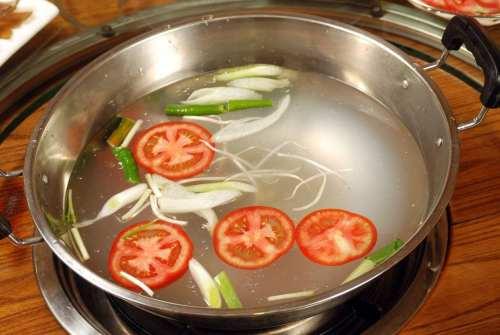
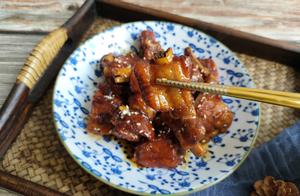
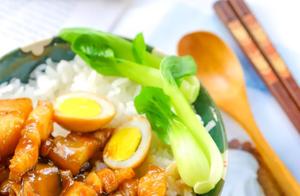
Guizhou White Braised Pork
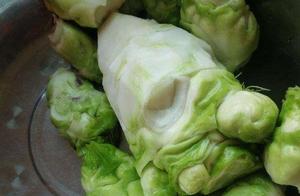
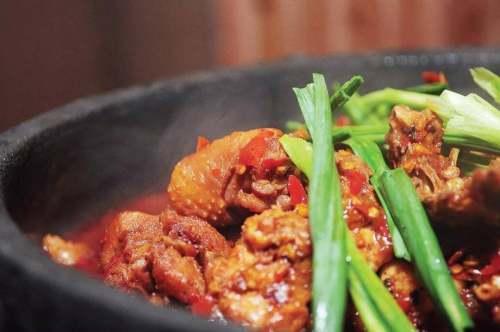
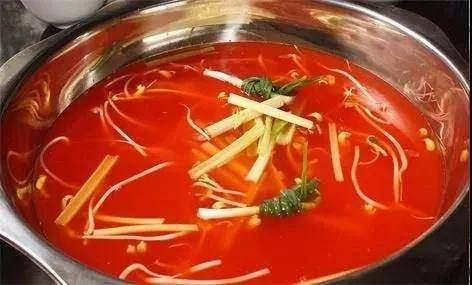
Those familiar with the and areas may know that local villagers make their own sourness in traditional ways, such as white braised pork, which is made by placing clear rice mash in a jar and fermenting it without adding salt. This is another viewpoint of Professor Yan's.
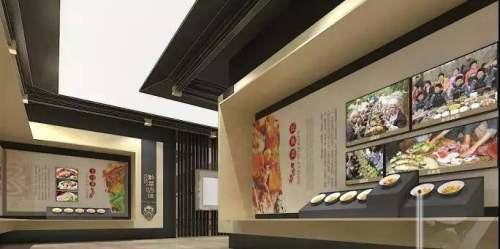
He quoted from Li Zuochang's 'Bamboo Branch Words of the Qing Dynasty' – 'A scholar stopped at a roadside inn in the mountains, eating corn and bean curd. It was difficult to eat a bland diet, and he used seawater to season it. Chili peppers were burned away, and salt was washed with water.' The author's footnote says: 'There are packaged rice, a lot of vegetables and tofu, commonly known as 'bean curd', without oil, it is steamed and seasoned with salt and chili pepper, called 'seawater''.
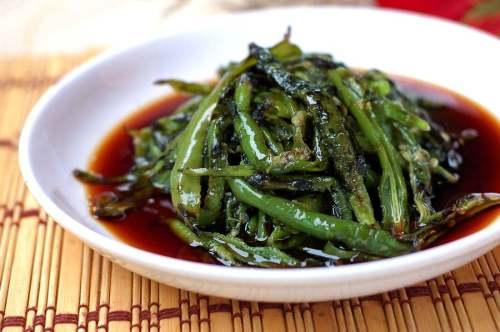
This recording is vivid. Several things mentioned in the poem are familiar to Guizhou people – packaged rice, bean curd, white braised pork, and 'seawater' (which is now 'water'). They are roughly similar to how we eat today, but salt is no longer precious, and can be put in freely, instead of being carefully 'washed' in.
The poet's concise writing is even more descriptions that can be used as evidence.
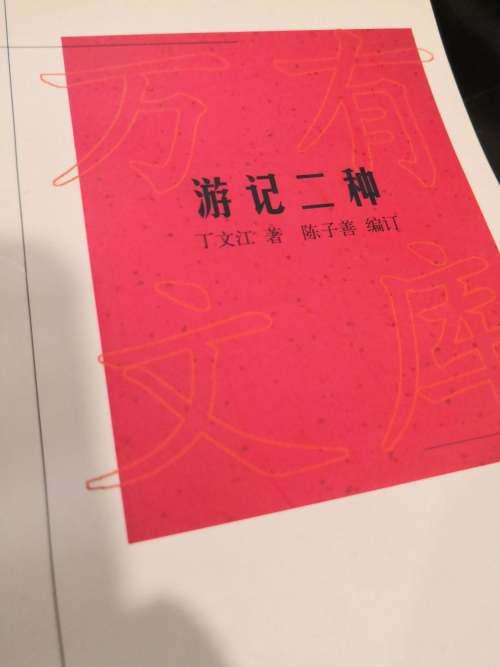
During the Republic of China period, geologist Ding Wenjiang, who studied abroad and returned, studied and traveled through Yunnan, Guizhou, and Hunan, and wrote a book titled 'Travel Records' which described 'washing' salt in detail: 'When I entered Guizhou, I only saw chili peppers, rarely saw salt blocks (salt blocks from Sichuan). On the main roads, restaurants displayed rice, chili peppers, tofu, and vegetables, but no salt grains. There was a bowl with a small salt block inside, and people poured a few drops of water into the bowl, and then poured the water and food together, a little salty.'
There was even a more exaggerated story: 'I went from river to Yangsong, stopping on the way. A scholar shouted, 'Madam, bring some water to put in the salt jar!' An elderly woman over fifty years old came out and said, 'Don't add water to the salt jar, or it will dissolve too quickly. You don't like it to be bland, take it out and drink it.' Sure enough, the scholar followed her advice and took out the salt block and took a sip. Within a minute, I saw the salt block go in and out of the mouths of nine scholars!
This implies a deeper understanding of the four words 'difficult to come by'
During the opening remarks of the lecture, I said that eating is not a small matter, 'People eat for the sake of heaven,' and the people's eating problems are a matter of great importance. From this perspective, entering Guizhou's history will undoubtedly bring you a lot of benefits, and then you will cherish the present more, and generate more positive and energetic enthusiasm and momentum.
Source: Guizhou Radio and Television Station
Statement: This article has indicated the source of out, if any infringement please contact us to delete! Contact email: [email protected]