Dry and Hard Pancakes? Try This Low-Fat and Healthy Method to Ensure Soft and Layered Pancakes
Try this healthier and softer method for pancakes, ensuring they're soft and layered.
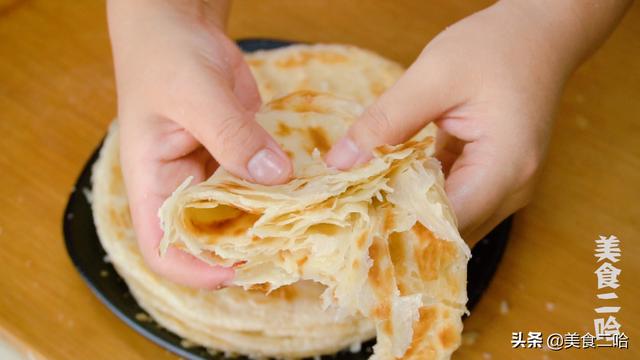
Homemade Pancakes
Hello everyone, I'm Foodie Dog. I'm a real Northern guy, and I especially love eating all kinds of noodles, especially all sorts of pancakes. My husband said this morning that there were no buns at home, so he went to buy some buns. My mother-in-law said let's make some pancakes and eat them. The pancakes are softer and more fragrant than momos. Yesterday, I also posted a recipe for homemade oily pancakes, and many friends said it wasn't detailed enough, it just talked about the technical points, and it was very vague. And the oily pancakes are too oily and not healthy. Today, I'm making a homemade, ordinary pancake recipe to share a tutorial. This recipe guarantees a little less oil while still being very soft, and it won't get hard even when it cools down.
Many people think that dead-face pancakes are hard and don't get fluffy. In fact, dead-face pancakes are also very soft when made into pancakes. Just master some techniques and experiment, you can also make very soft pancakes.
Let's start making pancakes now!
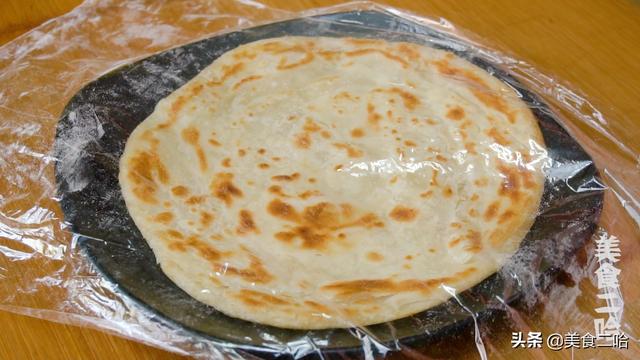
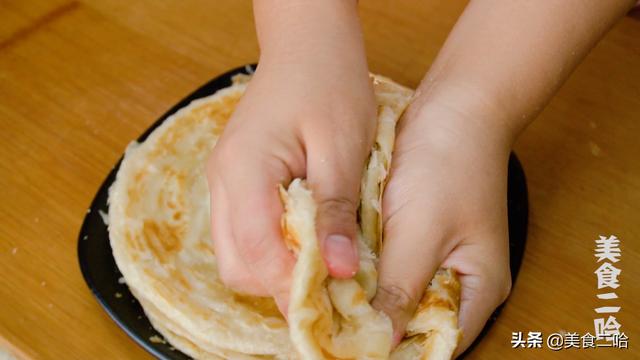
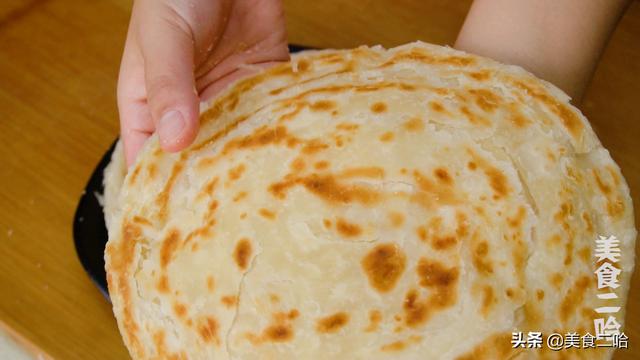
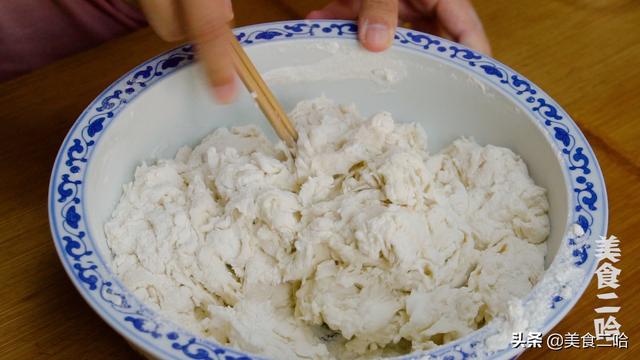
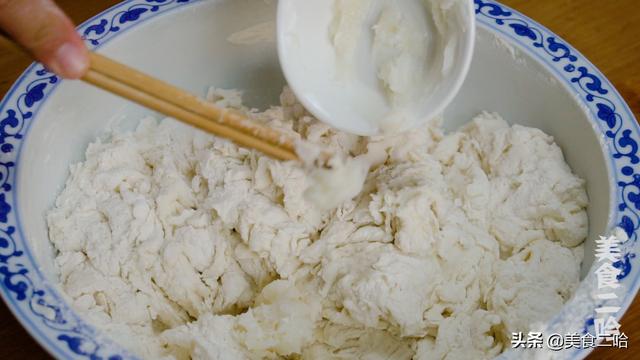
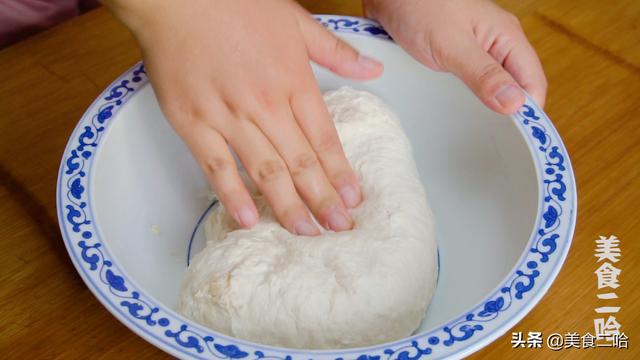
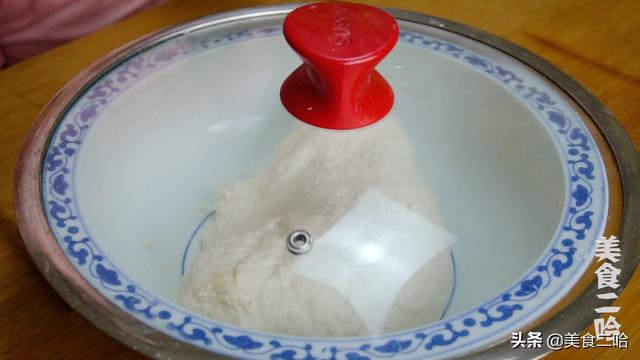
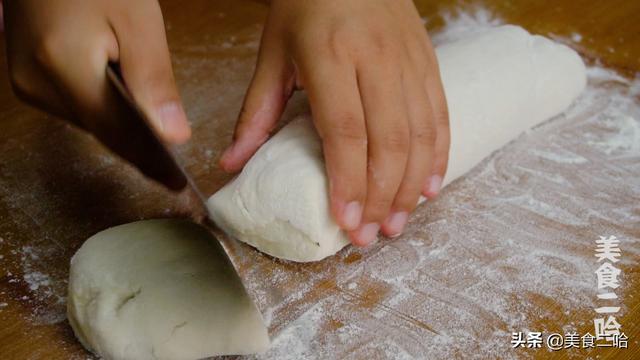
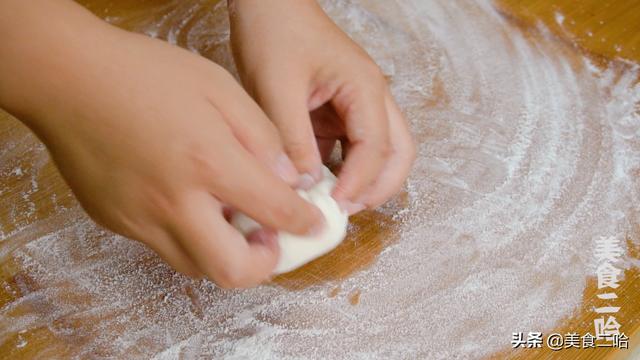
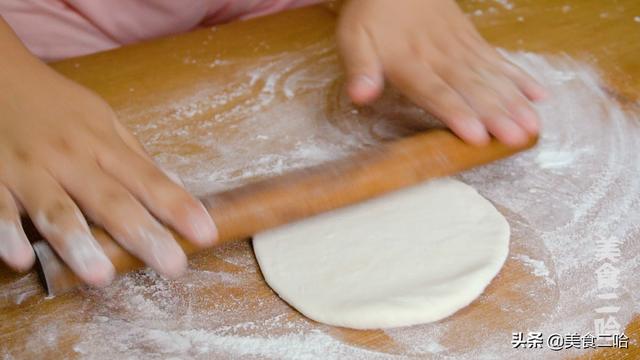
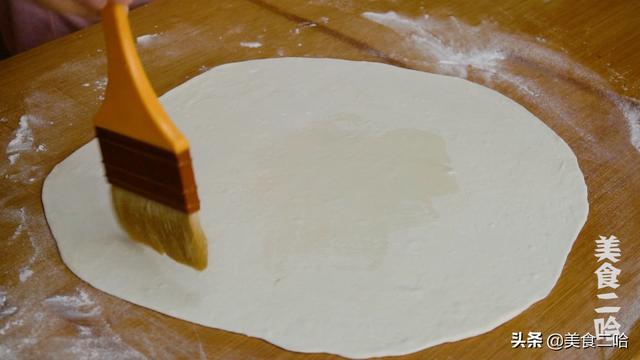
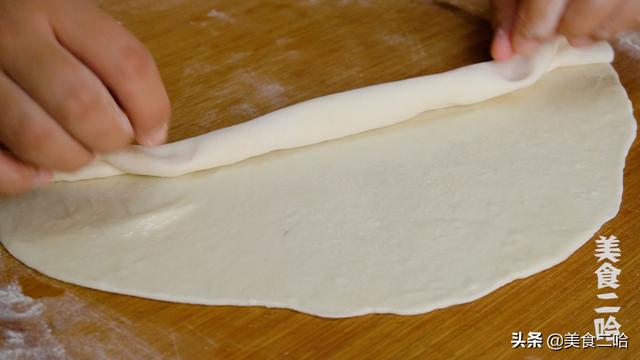
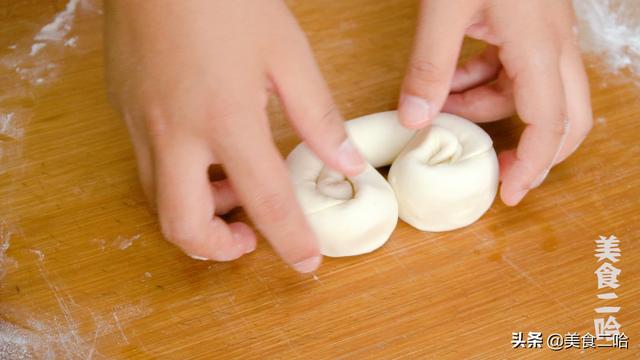
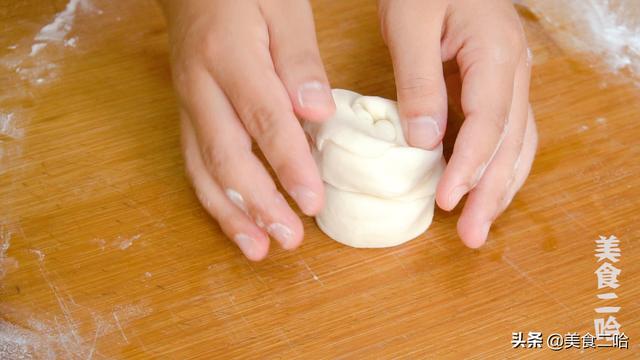
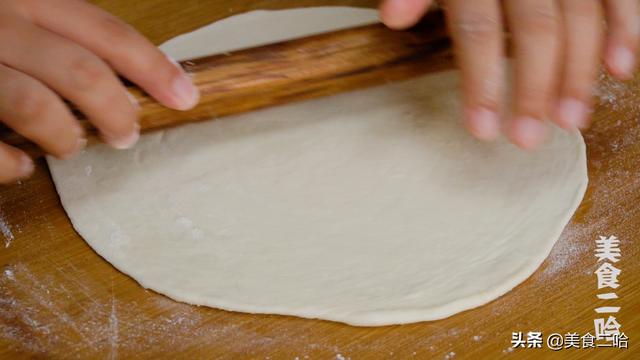
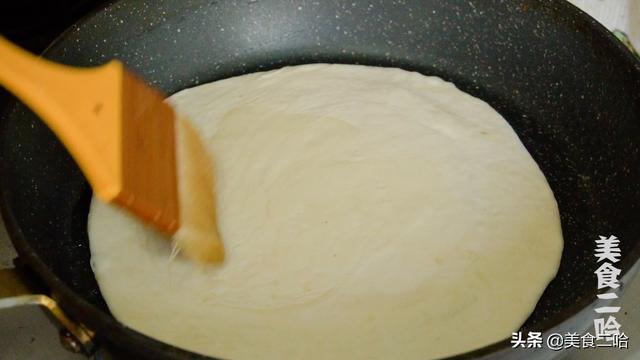
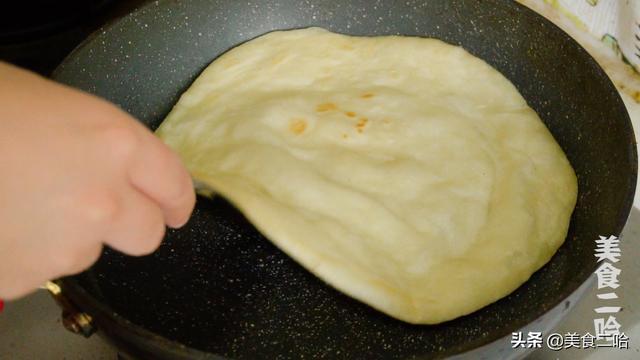
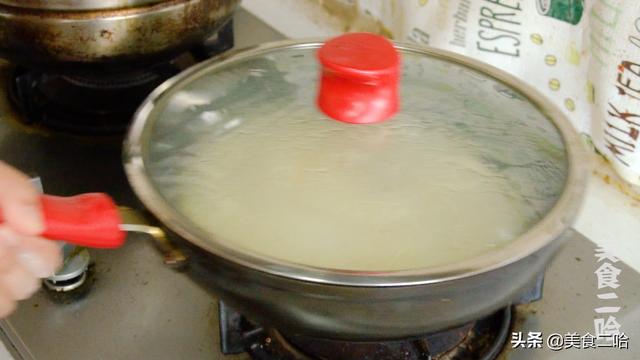
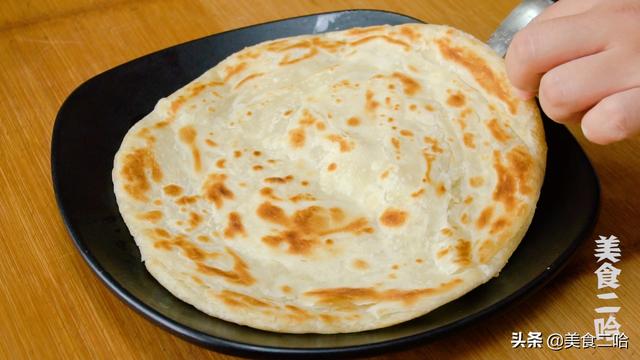
1Add 500g of flour and 5g of salt to increase the gluten content. Mix with 320ml of warm water, which has a particularly high water content. This will make the pancakes very soft. 2After mixing into a large dough mass, I added 10g of pig fat. The purpose of adding pig fat is to make the pancakes have a very crispy outer layer. If you don't use pig fat, you can use vegetable oil, or you can omit it. 3Make a dough that is slightly soft and sticky. If the dough is too sticky, you can apply a little water to it before kneading. 4After kneading, seal the dough and let it ferment. Fermentation is very important when making pancakes, and this step cannot be omitted. Ferment for at least 30 minutes. 5After the dough has fermented, do not knead it again, as kneading will make the dough too tough and not soft. Instead, shape it into long strips and make 5 pieces. 6Pull the strips inward to make a ball. 7Then flatten and roll it out into a large circle. After sufficient fermentation, when rolling out, if the dough doesn't shrink, it means the fermentation is complete. 8After rolling out, spread a layer of oil on the surface, which helps it to detach from the pan, then sprinkle with salt for seasoning. 9Finally, roll the dough into a long strip and pull it up from one end. 10After rolling it up, rotate the two ends inward and overlap them, flatten it, and the dough is done. Cover with plastic wrap and store it. 11After making the dough, take out the first piece and roll it into a pancake. Roll it lightly on both sides, rolling in a circular motion, so that the layers are distinct and not too thin. 12I still prefer to use a flat pan to make pancakes. Open the fire to medium heat, brush with oil, and put in the dough. Brush oil on the surface to lock in moisture. Cover with a lid to prevent moisture from evaporating. 13When the dough turns golden brown, open the lid and flip it over, and shake the pan frequently to ensure uniform heating. 14Repeatedly flip the pan until both sides are golden brown, then take it out. 15After making the pancakes, cover them with plastic wrap, and they won't get hard even when they cool down. Pancakes are soft and delicious with many layers!
Click '
This recipe makes pancakes soft and layered, sharing all the technical points, less oil, healthy, and won't get hard even when it cools down
'to watch the detailed video tutorial
55
6
7
8
9
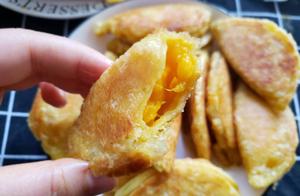
10
11
12
13
14
15