What are the representative wines of each country? Which ones do you know?
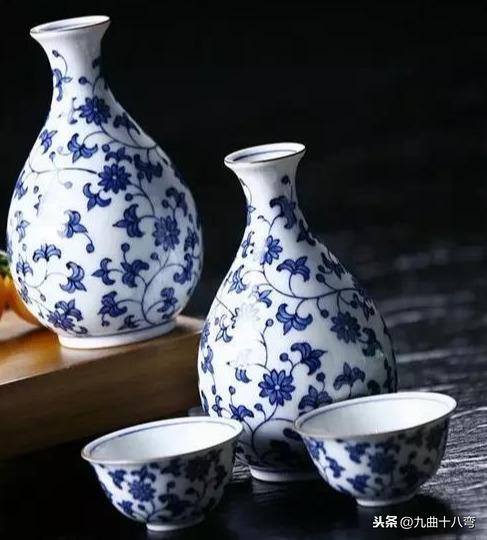
China: Baijiu
This should be known by almost all Chinese people. Baijiu, also known as Shaojiu, is a traditional alcoholic beverage in China. According to the 'Ben Cao Gang Mu' (Compendium of Materia Medica), 'Shao Jiu is not made using traditional methods; it originated in the Yuan Dynasty, and its method involves using concentrated liquor and fermented grains, which are steamed until the vapors rise, then dripped into a vessel.
Therefore, the production of Chinese Baijiu has a very long history. However, the 'Baijiu' drunk by Li Bai in his poetry, or by Mu Song when he fought the tiger, were not Baijiu. Because at that time, Baijiu had not yet been born. Although Baijiu is China's national liquor, it rarely appears in bars because bars are for drinking, and foreign wines are the trend there.

Korea: Korean Soju
Korean Soju is known as Korea's national liquor. However, compared to Chinese Baijiu, Korean Soju is 'a small witch seeing a big witch' because its alcohol content is only about 20 degrees, which is why Koreans drink in small sips in dramas. The main raw material for making Korean Soju is rice, often combined with wheat, barley, or sweet potatoes. Korean Soju is rarely found in bars.
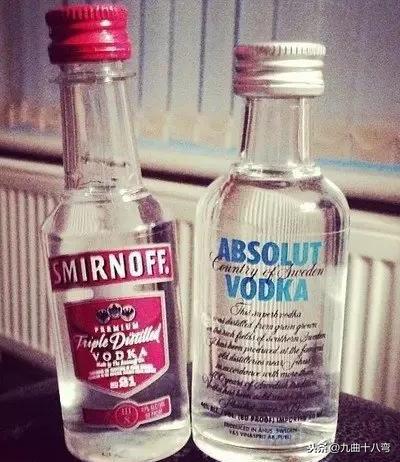
Russia: Vodka
The Russians are famous for their ability to drink and their love of drinking. It is said that because of excessive drinking, Russian men's average lifespan is lower than that of women. Strong vodka is the favorite of Russian men and Russia's 'national liquor'.
Vodka is made from grain or potatoes, distilled to an alcohol content of up to 95 degrees, then diluted with distilled water to 40°-60 degrees, and filtered with activated carbon, making the wine clearer, colorless, and refreshing, without sweetness, bitterness, or astringency, only creating a fiery sensation. Vodka has no additives or flavors, making it the ancestor of all flavored cocktails and a must-have wine.
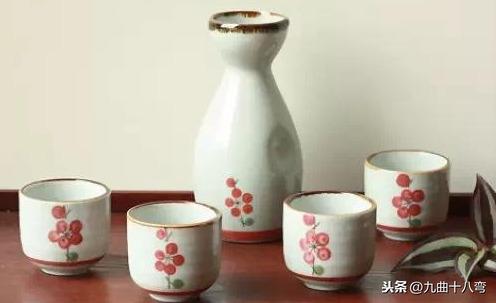
Japan: Sake
Besides tea ceremony, Japanese sake is also one of the world's eight great wines, and is known as Japan's national liquor. According to the investigation, Japanese sake brewing methods came from China, similar to Chinese rice wine.
Japanese sake is made from rice and natural mineral water, through fermentation with koji, brewing mother, and finally brewing, to produce sake with an alcohol content of about 18% through combined parallel fermentation. After adding lime to precipitate, after pressing, it becomes sake with a clear and pure taste, known as 'liquid made from rice,' and Japanese sake has therefore become a representative wine with local characteristics. But besides Japanese-style bars, sake rarely appears in bars.
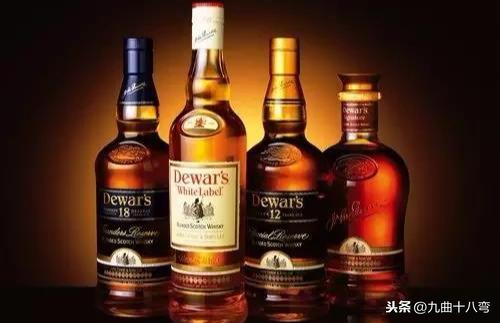
Scotland: Whisky
Along with French brandy and Chinese baijiu, whisky, Scotch whisky, French brandy and Chinese baijiu are known as the world's three distilled wines. Whisky is the national liquor of Scotland. Unlike brandy, which is mainly made from grapes, whisky is closer to Chinese baijiu, using grains – barley, wheat, oats, corn, etc., fermented and distilled before being aged in oak barrels and blended, to create an alcoholic beverage. Whisky is an alcoholic beverage commonly found in bars, with a status not less than brandy and vodka.
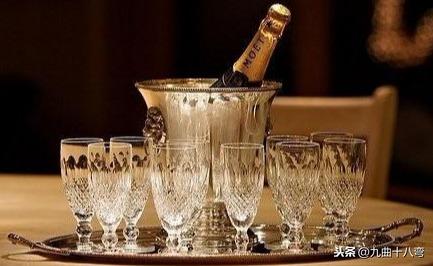
France: Champagne
When it comes to France, the first thing that comes to mind is wine, but how did France's national liquor become champagne? Don't rush, champagne is also a type of wine, and a particularly exquisite type of wine. Champagne is a technical wine, unlike wine and brandy, champagne requires more stringent production and process, using craftsmanship to make up for the lack of raw materials. This is the key to the success of champagne.
Champagne is a sparkling wine produced in the 'Champagne' region of France. Only wines produced in 'Champagne' are called champagne, other places that produce similar products are called sparkling wine. Champagne is a must-have wine in bars because it has a good taste, a low alcohol content, and consumes quickly. Also, because of its high price, it is often consumed by 'big guests' for tens of thousands or even hundreds of thousands of dollars a night, so it is called 'burning champagne'.

Spain: Sherry
Sherry is also a type of wine, it was once described by Shakespeare as 'Spanish sunshine in a bottle,' so its quality and status are self-evident. 'Sherry' is derived from the Spanish word 'Jerez' and in Spain, its name should be 'Jerez wine.' Just like the naming rules of many European famous wines, it is also named after its place of origin, and it is produced in the small town of 'Jerez' in southern Spain.
'Jerez' is located in a small town in southern Spain, where the soil is rich in limestone, which is suitable for growing Palomino grapes, this white grape is the raw material for making sherry. Because of its unique and precious qualities, it is known as Spain's national liquor. However, sherry is rarely seen in domestic bars.
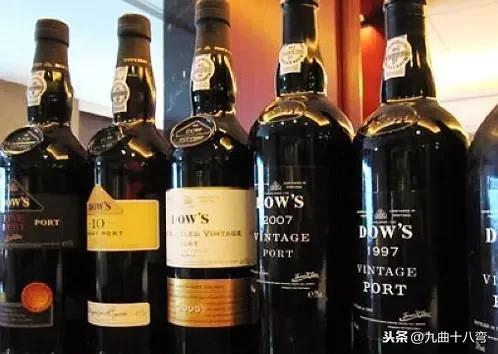
Portugal: Port Wine
As Portugal's neighbor, Portuguese Port wine is similar to Spanish sherry, both are fortified wines with a higher alcohol content, the main difference is that Port wine is added to grape juice during fermentation, not finished, while the alcohol content of Port wine is about 17%——22%, because the grape juice has not been fully fermented, so Port wine is always sweet. The earliest name of Port was 'PORT', as this name was used by other producing countries, they have recently used the names of the export ports of Port or Oporto, and only Port wine produced in the Portuguese Douro River region can use the name 'PORT', just like champagne, this name has a monopoly, other countries and regions cannot use it. However, Port wine appears in domestic bars far less frequently than champagne.
Germany: Beer
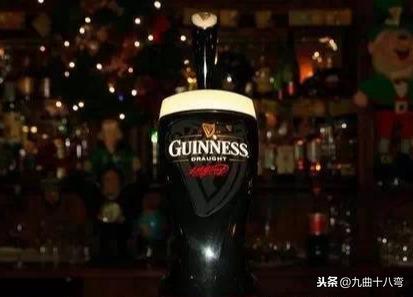
Although China is the world's largest beer production country, Germany is known as 'the hometown of beer.' In Germany, almost every place has its own local beer. The most famous is German dark beer, also known as black beer, which is Germany's national liquor. The origin of German black beer can be traced back to the 'Ming Han beer.' Ming Han beer is dark, fragrant, and has a mellow malt fragrance, it is the ancestor of German black beer. Black beer is also known as dark beer, with a coffee color or dark brown liquid, the original malt concentration is 10 to 20 degrees, the alcohol content is more than 3.5%, and its wine is characterized by the fragrance and aroma of malt. In Shenzhen and many domestic bars, there is German black beer for sale, although it cannot be confidently said that it is all original German goods.
Mexico: Tequila
Probably few people know that Mexico is the hometown of chili peppers, Mexicans are the ancestors of eating chili peppers. As for Mexico's national liquor – tequila, few people know about it. Tequila is a specialty of Mexico, known as Mexico's soul. Tequila is a small town called 'Tequila' in Mexico, this liquor is named after its place of origin. Tequila is sometimes called 'agave liquor' because the raw material of tequila is 'agave'.
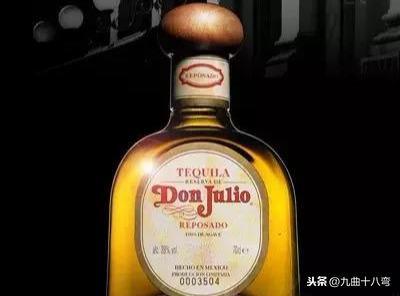
Tequila is extracted from the agave plant and distilled, then aged in oak barrels, to produce a liquor with a unique and rich flavor, which is recognized as a natural and harmless green drink, and its taste is rich and mellow, fragrant and long-lasting, and the color is full and abundant, creating a fiery sensation.
Peru: Pisco
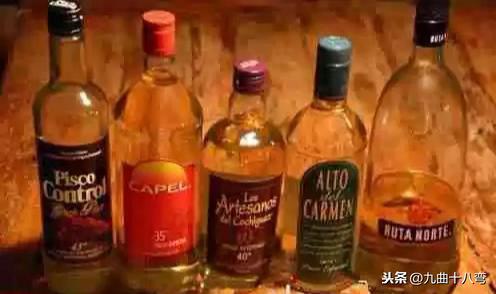
This is different from vodka, it's 'white brandy.' Pisco was created from the traditional brandy production methods of Europe, adding the characteristics of Peru's ethnic people, its history can be traced backૉ to the 16th century, it has been a long time. Its main feature is that it is made from 100% grape juice, without adding any other ingredients. Pisco wine has an alcohol content of about 38%-48%.
Pisco can be drunk alone, Peruvians also like to add ingredients and other wines to Pisco wine to create various flavors, making Pisco wine into cocktails.
Hungary: Tokay Wine
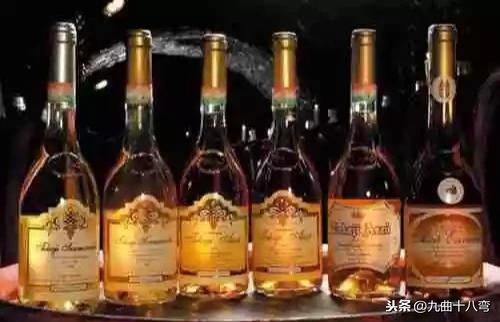
The winemaking history of Hungary is very long, among which 'Tokaji' is known with the famous French Bordeaux region's 'Ch.d`Yquem' and Germany's 'Trocken Beeren-Auslese' as the world's three sweet wines. Although Tokaji also produces non-sweet wine and red wine, this place's most famous wine is made from a mixture of noble grapes, and has a sweet taste. Tokaji wine is also Hungary's national liquor.
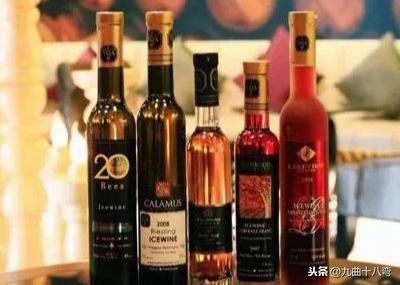
But Tokaji wine is rarely seen in domestic bars.
1794Franconia
——CACHACA
“”
100%38%-48%
”””Ch.d`Yquem””Trocken Beeren-Auslese”””