How Should Senior Dogs Spend Winter? Supplementing Nutrition is Also Necessary
In this era, the physical condition of seniors seems better than that of some young people, which is largely due to lifestyle. After all, seniors usually go to bed early and wake up early, and have regular meals, while young people completely indulge themselves.
However, it's not easy for senior dogs to 'not grow old'. Compared to young dogs, senior dogs have a weaker resistance to aging, and their ability to withstand the cold has also decreased. Everyone knows that healthy dogs are generally not afraid of the cold, but senior dogs have a hard time in winter.
So how should senior dogs spend the winter? Here are the following points:

Warmth is key
Whether it's senior dogs or puppies, warmth is the top priority in winter. Senior dogs need to be especially careful with warmth, not only because of their physique, but also because their joints may have some problems. The bones of senior dogs become more fragile with age, just like people with arthritis, they feel a stinging sensation when encountering rainy weather, and even in summer they need to wrap themselves up. Senior dogs will also have joint pain in winter, especially in the south, where there is almost no good weather.
Moisture and cold air are heavy, which easily causes joint pain. Pet owners need to place the dog's nest in a dry, warm place, preferably a place with sunlight, and then cover the nest with a blanket. Of course, the nest must also be padded with a soft and warm material. This is to avoid the cold air stimulating the dog's bones.Many pet owners also turn on the heating in winter. If it's underfloor heating, it's the best. Air conditioning is relatively dry, so pay attention to supplementing water. Space heaters need to be controlled carefully to avoid burning the dog. At the same time, avoid the dog entering and exiting rooms with large temperature differences.
If necessary, wear a clothing for small dogs when going out.

Reduce bathing frequencyAll dogs, regardless of age, will reduce their bathing frequency in winter. Firstly, the dog's body odor is not as strong as in summer, and the activity time is also reduced, so the dog's body is not easily dirty. Secondly, the temperature in winter is low, and frequent bathing can easily make the dog catch a cold. For senior dogs, the frequency of bathing should be reduced even more, as they have a smaller activity range and weaker resistance, so bathing easily causes them to catch a cold.
It is recommended to take senior dogs to pet stores for bathing, where the heating is more sufficient and the drying tools are more professional and complete, so as to avoid the dog's hair being unable to dry and catch a cold.
Appropriate nourishment
From a Chinese medicine perspective, we should start to fatten up in autumn, and we need to store more fat in winter. Senior dogs also need to supplement nutrients to strengthen their bodies. However, the digestive system of senior dogs is not as good as before.
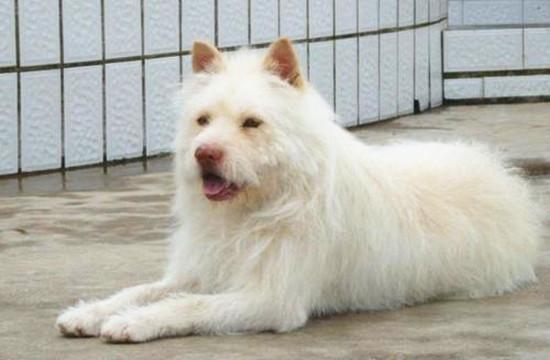
In terms of food selection, cooking and feeding, there are differences.
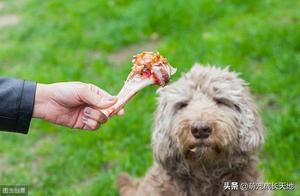
Avoid choosing foods with high calorific value and high fat content, and also consider the palatability of senior dogs, and do not feed them too hard food, and do not feed them too much at one time.
As dogs enter old age, their lives are also entering the countdown. Pet owners should accompany their dogs to spend their last days. All we can do is care for their daily life and do our best to extend their lifespan!
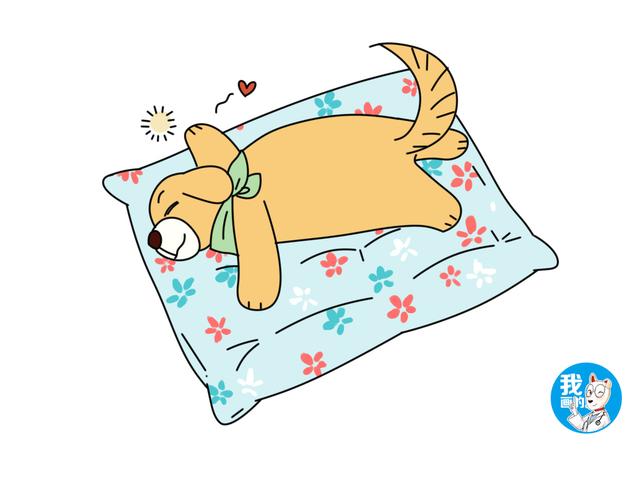
Image comes from the internet, if there is any question, please contact Dr. Xiao Ming.If you have any pet health or pet care questions, welcome to follow Dr. Xiao Ming for consultation. For more exciting content, welcome to subscribe to Dr. Xiao Ming's paid column 'Dr. Xiao Ming teaches you to handle common cat and dog diseases at home', and solve more common cat and dog problems.