First Release! Wild Animal Monitoring Images of Fuzhou Guaxiangosuo Provincial Nature Reserve
Taiwan Strait Daily, March 12th report, according to Fujian News Channel’s ‘Live’ broadcast, recently, the Fuzhou Guaxiangosuo (Guaxiangosuo State Level Nature Reserve) released a set of precious monitoring images for the first time, in the world untouched by humans, small animals were in a comfortable and relaxed manner.
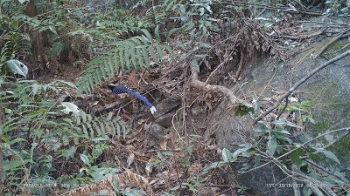
These images were captured by infrared trigger cameras set up within the reserve.
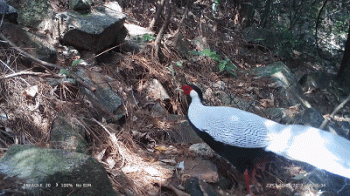
White-backed Snipe
In the video, white-backed snipes are frequently seen strolling leisurely in the dense forests. It is a national level-II protected wild animal, and currently, the number within the Guaxiangosuo reserve is quite considerable.
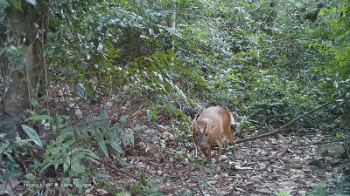
Small Muntjac
The agile and nimble small muntjac frequently appears in the forest foraging. It is currently the smallest extant muntjac species discovered in China.
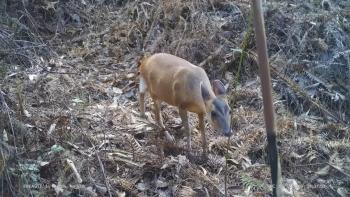
Small Muntjac
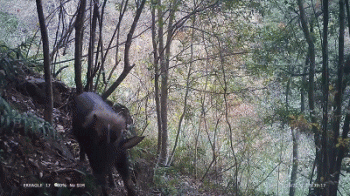
Saiga
This horned animal, resembling a deer, with hooves like a cow, a head like a sheep, and a tail like a donkey, is the Saiga, also known as the Minglongyang (Minglongyang), belonging to the Bovidae family, and is a typical forest-dwelling animal. People call it ‘Four Not Likes’ together with domesticated reindeer, elk, and moose.
……
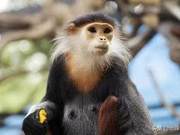
In addition, the reserve also captured the activity traces of many other wild animals, including small cats, monkeys, wild boars, civets, and magpies, showcasing the most authentic side of survival in the wild in an unrestrained state.
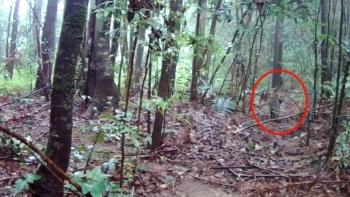
Small Cat
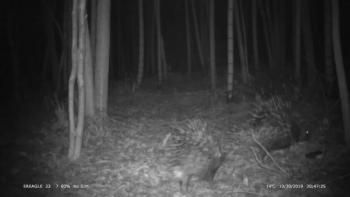
Hog-bad
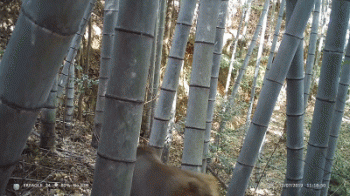
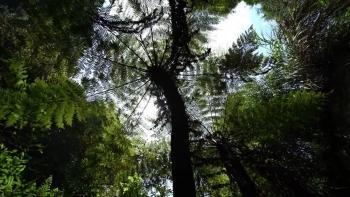
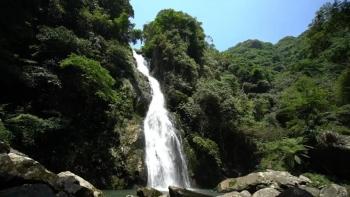
Guaxiangosuo State Level Nature Reserve is located at the junction of Xitang Town and Gantang Town in the southwest of Fuzhou, with a total area of 1509.3 hectares. The reserve’s vegetation is abundant, with 156 genera and 504 species of higher plants, 794 of which are national level-II protected wild plants, with the primary protected object being the national level-II protected wild plant, the Chinese Redwood (); 220 species of vertebrates have been discovered, with 33 species being national key protected wild animals.
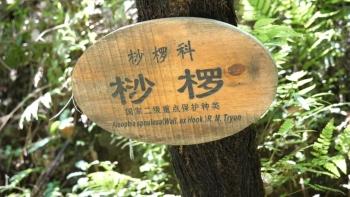
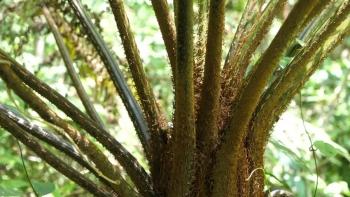
Since November 11, 2018, the reserve has continued to conduct infrared camera wildlife monitoring, and the release of this batch of image data is mainly to attract public attention and participate in wildlife protection actions to achieve harmonious coexistence between humans and nature.