Winter Fishing: Proper Poring Techniques Increase Your Catch Rate
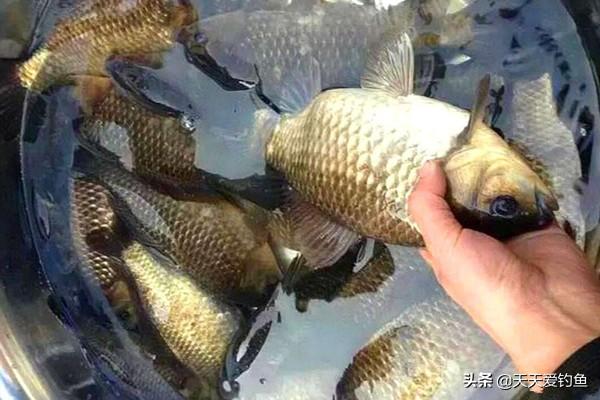
Winter fish are difficult to catch due to several reasons, primarily because the water temperature is low, leading to insufficient fish activity, they tend to gather in groups and are less active, making winter fishing require finding fish nests. Failing to find the fish nest often results in difficulty in catching fish. Secondly, winter fish have less feeding, and their feeding range is small, making baiting less effective. Thirdly, winter fish have light feeding movements, which require high demands on fishing rigs and baits, otherwise it’s easy for the fish to misjudge the bait and unable to eat it smoothly. Although baiting may not be very effective, it must be done, so the preparation of bait and the baiting method are exceptionally important in winter fishing.
I. Bait Preparation
Winter bait is about ‘less and precise’. It means a more comprehensive concept, ‘precise’ refers to the meticulous crafting of bait, aiming for better fishing lures, and precise flavor types. ‘Less’ refers to the fact that winter bait doesn't need to be prepared in large quantities; when baiting, choose multiple nest points, but each nest point doesn't need a lot of bait. Because winter fish have a small feeding range, a small amount of bait can also prevent the fish from getting full. Taking winter carp as an example, the best bait is rice wine and some oily powder bait, mixed together to achieve the best effect. Rice wine must use small grains, such as millet or corn powder as the main ingredients, small grains have better retention effect, and the fish can’t eat it for a long time. Oily powder has a strong fragrance, which has a better fishing lure effect.
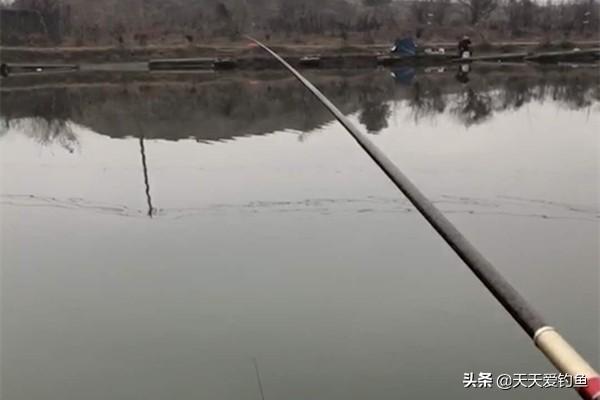
II. Baiting Techniques

1. Multiple Nest Points
The first key point for baiting in winter is to use a rotating method of multiple nest points, because we need to try to bait the area close to the fish nest, but the fish nest is not easy to find, so deep water, shallow water, obstacles, and gentle slopes can all be tried to sprinkle some bait, which greatly increases the chance of finding the fish nest. If one nest point catches fish, it also indicates that the fish is roughly in that depth.
2. Concentrate the Bait
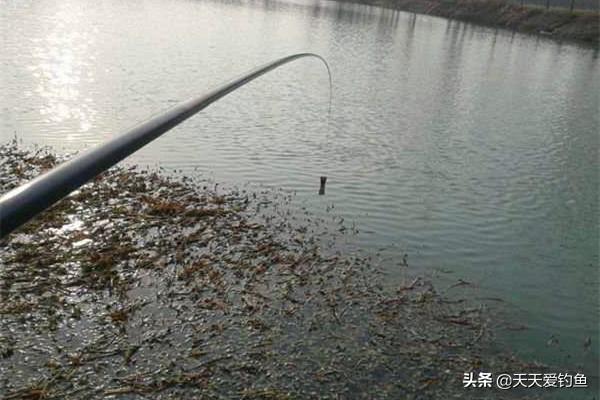
Baiting must be concentrated, absolutely not using hand throwing to bait, you must use a long pole plus a baiting device to bait, precise baiting, small nest points, which is also an important matter in winter fishing. Precise hooking is also required in winter. The position of each nest point should be clearly recorded. When baiting, the reference points are usually the position of the standing place and the special terrain on the opposite shore, and the position of the nest point can be located according to the length of the fishing rod. It is best not to use floating objects on the water surface as reference points, as these floating objects are affected by the wind and may deviate from the fishing point. Sometimes a deviation of just one point will not have any results.
3. Baiting in Advance is Better
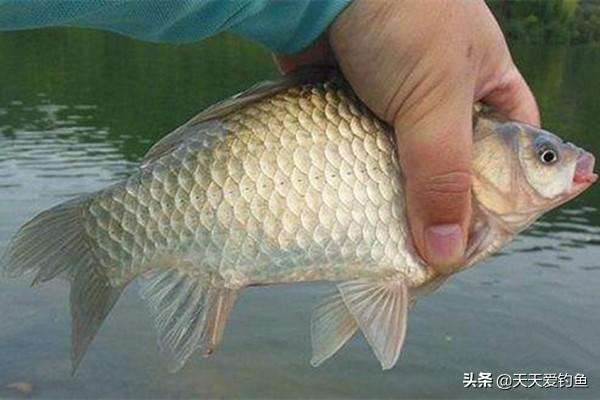
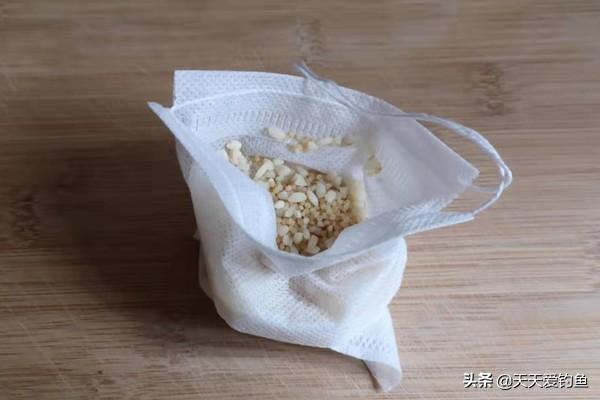
If possible, it’s best to bait in advance, such as baiting the night before and fishing the next day. A long period of luring can be more likely to lure distant fish to the nest point. However, to achieve a sustained luring effect, you need to pay attention to the techniques of bait and baiting. If the fish doesn’t smell the scent and doesn't eat, the fish will stay for a long time. The most commonly used methods are rice wine plus yellow bean powder put into a cloth, plus stones to bait, such baiting methods can achieve a long-lasting continuous effect. Although winter fishing is mainly focused on noon and afternoon, it’s also a good choice to go out early to bait.
The above are some precautions for winter fishing baiting. To achieve good baiting effects, there are two main methods: one is to bait accurately, in the vicinity of the fish nest, and the other is to bait in advance.
(Added circle card, please view in the Today Headline client)