How Dogs Communicate: What Methods Do They Use to Express Their Emotions?
As a responsible owner, do you want to know how dogs communicate? Like us, dogs have their own different communication methods. In human expression, they use more than just language, and dogs do too. They use actions to express their feelings is one of their main ways of communicating.
Through scent communication
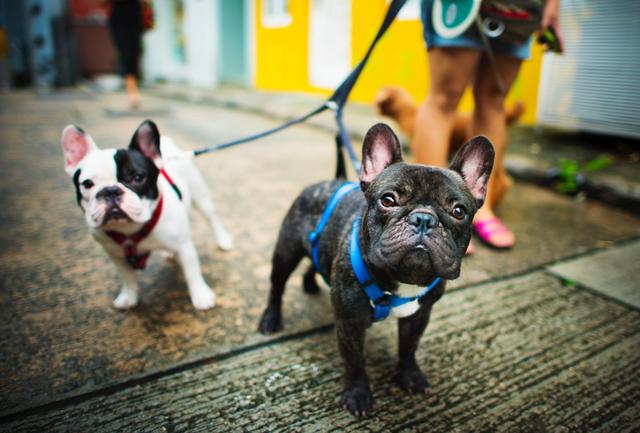
Scent may be one of the least frequently used ways for dogs to communicate. Smell is an effective way to transmit information between dogs because of their strong sense of smell. Through the scent of the other party, dogs can understand the other party's age, gender and status in the group, all of which are essential information in social interaction. Of course, this also includes humans, because pets can also judge your feelings based on your scent.
Through sound and auditory communication
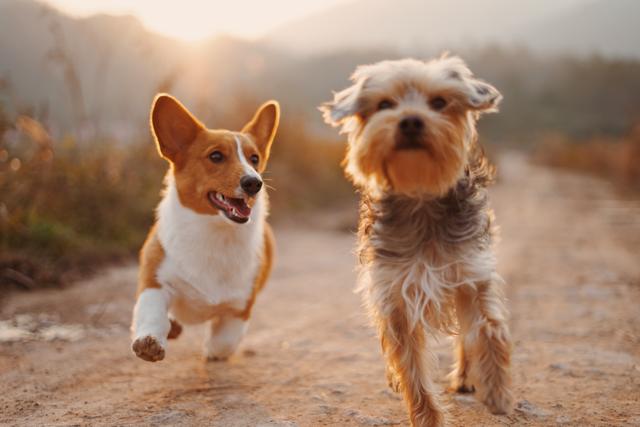
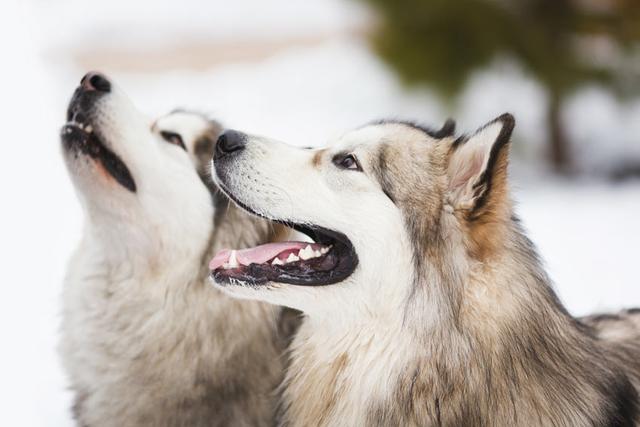
After smelling the scent, the dogs' preferred way of communicating with each other is sound. As we all know, dogs make a lot of different sounds. Almost as much as humans speak, they use sound to express their feelings. We can classify dogs' sounds into different situations: barking, howling, yelping, complaining. Dogs will use different sounds to express their different feelings.
Visual communication with body language
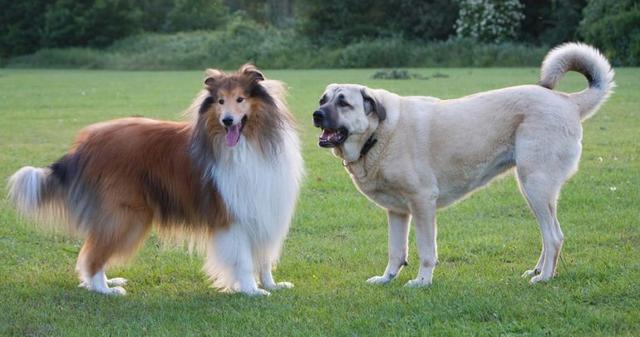
Body language is also very important in the communication of dogs. They will use various gestures, movements and body signs to show their feelings and thoughts.
Alertness
When a dog feels something moving around, it will manifest as leaning forward, closing its mouth, and bringing its ears forward. If they think it's a threat, they may also bark to remind the owner.
Relaxation
When a dog is relaxed, it will show a relaxed body posture. The tail may sway during relaxation. This shows that the dog feels comfortable in this situation. Generally, when a dog is relaxed, it will not make a sound.
Submission
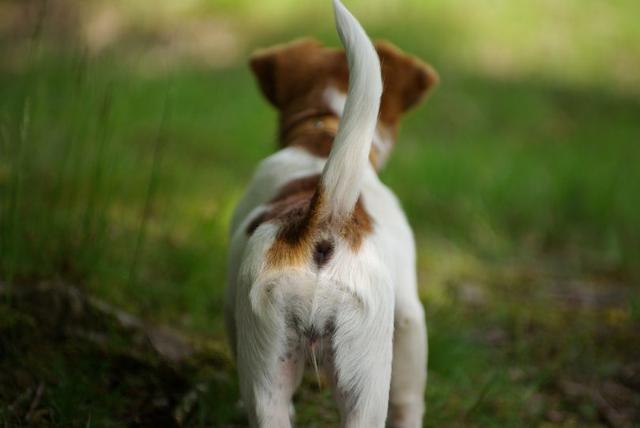
When your dog curls up its tail and paws, exposing its belly, it's trying to show a submissive posture. When a dog thinks there's a more dominant dog in front of it or when it's scared, it will do this, which is a way of surrendering and telling you not to hurt it.
Playfulness
In this case, the dog will be loose and swaying, they will jump up excitedly. In addition, there will be a lot of movement, exaggerated facial expressions and short pauses. They will also wag their tails, bark playfully or make low growls to express this situation.
Dominance
When dogs want to show dominant behavior, especially when they confirm their status is higher than the other party, they will raise their tails, maintain a steady, forward posture. This is a way of telling others that they are ready to defend their position.
Behavior
Yawning
Yawning is a way for dogs to relieve stress. When a dog is under stress, it will make this action. This situation also occurs when a dog is tired.
Head shake
When a dog yawns, it shakes its head, which is a way for it to express relief. It's usually after transitioning from alertness, aggression to calmness.
Head tilt to one side
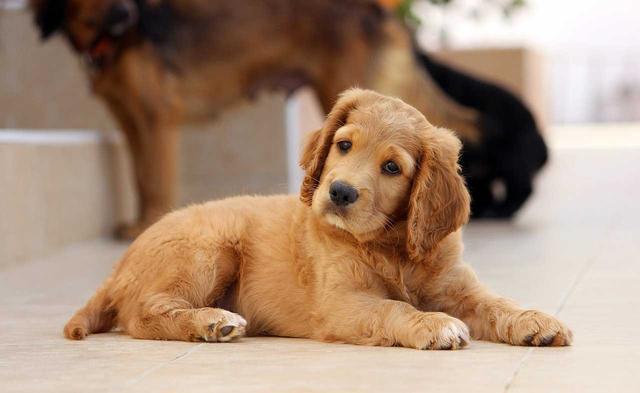
When your dog is uncertain or confused about something that attracts its attention, it will tilt its head to one side. This is also a way for them to ask for more information, which is a common occurrence in training.
Dog communication may seem simple, but studying it is also a science, and it requires owners to understand it slowly!