South American Drug Lord's Pets: Four Hippos Raised, Now a Local Menace
From the 1970s to the 1980s, international drug lord Pablo Escobar long-term stationed himself in Medellín, Colombia, he relied on the drug business to once rank seventh on the global rich list. In December 1993, Escobar was shot dead on the roof of a house in Medellín by special forces, ending his life. And the hippos he raised in the estate at that time, now have proliferated to about 80, starting to harm the local ecological balance.

According to a report by the British 'Daily Mail' on January 31, Escobar once spent money to buy a mountain and circled a large area of land as a private zoo, to raise and collect exotic birds and beasts. After his death, this private zoo was confiscated by the government as a hunting theme park, and most of the wild animals he raised were reassigned to other zoos, leaving only two male and two female hippos.
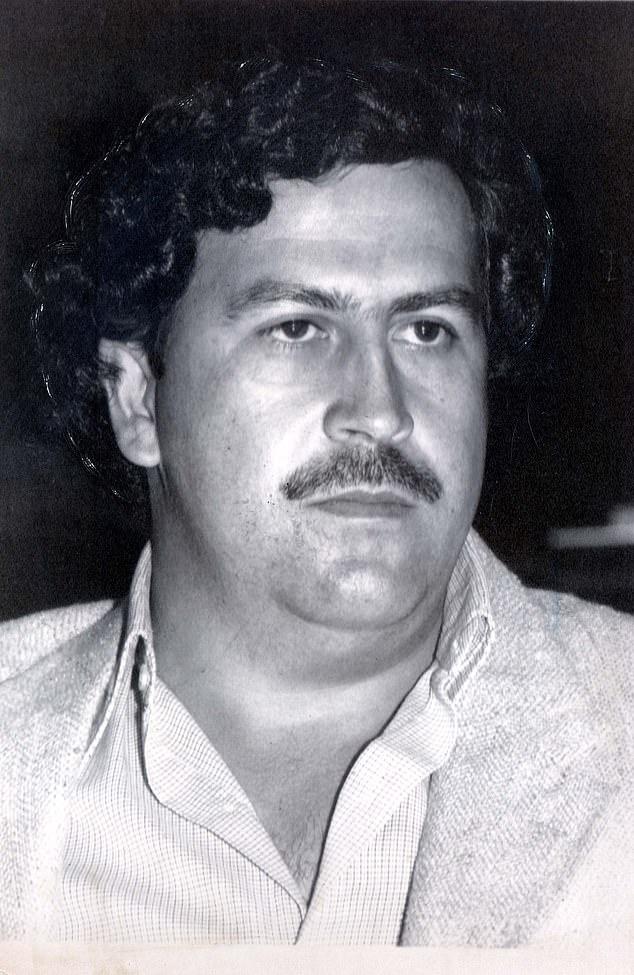
Now, scientists say that these four hippos have been passed down through generations, and have proliferated to about 80, having a harmful impact on the waters of Colombia.
In the early 1980s, Escobar bought hippos from a zoo in California and transported them by air to his estate, and now this group of hippos has continued to multiply. Now they have become the largest wild hippopotamus population outside of Africa.
Researchers have spent two years studying the water quality and microbial communities in Colombian hippopotamus populations and compared them with hippopotamus-free lakes. Professor Jonathan Shurin of the University of California, San Diego, who is involved in this research, said that the hippopotamus population has a negative impact on the aquatic environment, including promoting the growth of harmful algae and bacteria and negatively affecting water quality.
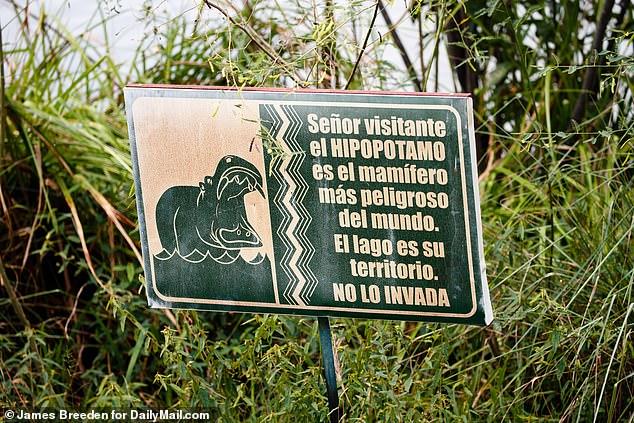
According to reports, hippos generally active at night and eat on land during the day, then retreat to the water to sleep, and their excretion changes the chemical and oxygen balance of the water body, promoting the growth of harmful algae and bacteria, and harming the normal life of people and animals living near the water.
And Escobar's hippos have now returned to the wild, they live in at least four of the region's lakes, and have begun to spread to neighboring rivers, making the problem even more perplexing.
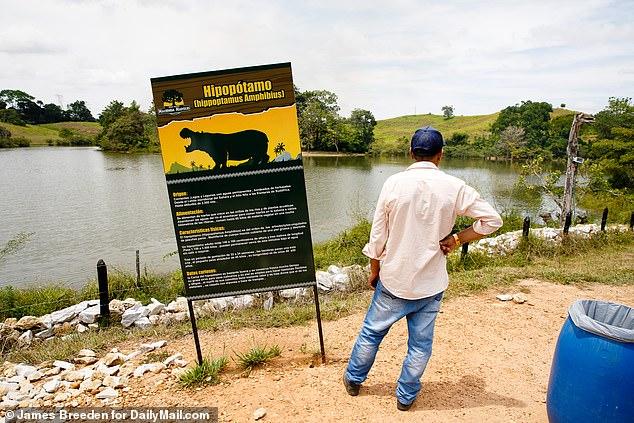
In addition, these hippos are more fond of breeding than their African relatives, because their living conditions are more perfect. Professor Jonathan Shurin said that if you calculate the growth trend of the local hippopotamus population, it will be exponential. He said: 'In the next few decades, there may be thousands of hippos ravaging this area.'