Will Round Australian Musk Turtles Hibernate? A Discussion
Round Australian musk turtles are also quite common aquarium members. Recently, a 'heartwarming' baby Round Australian musk turtle has attracted much attention from turtle enthusiasts. It's born with a congenital deformity, the plastron never closes properly, causing its heart to be exposed, with a visible heartbeat.
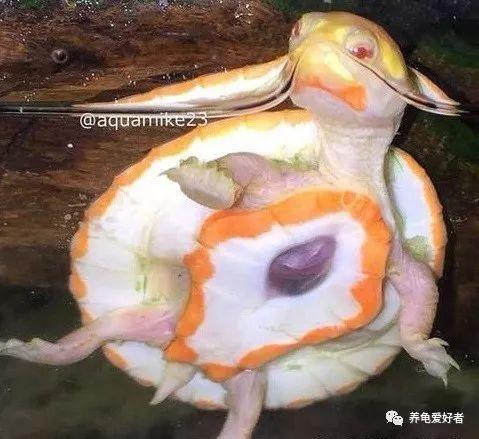
Because of its congenital deformity, its appearance is slightly different from its siblings, who are not shaped like this, and their appearance is familiar to everyone.
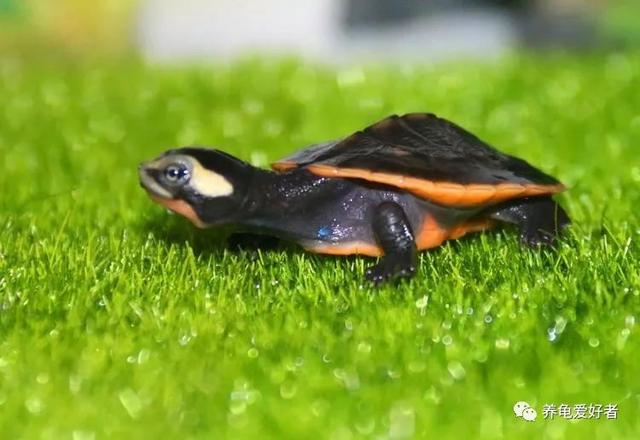
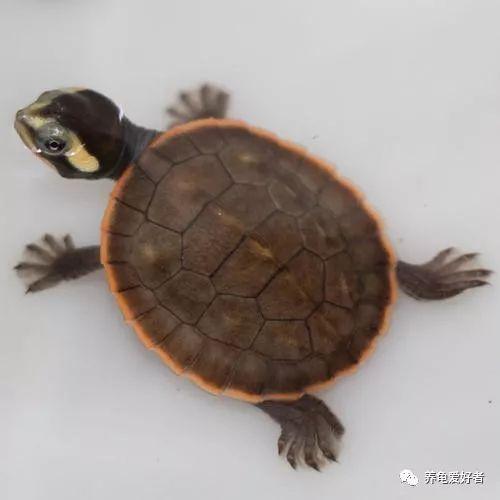
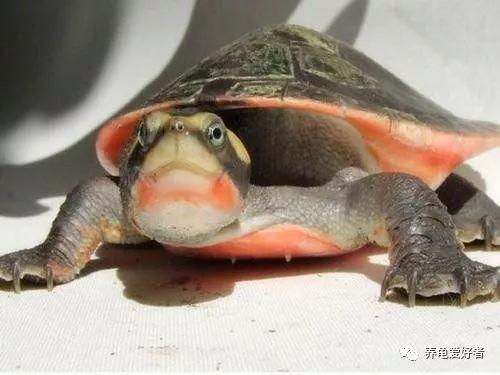
Round Australian musk turtles, also known as red-footed side-necked turtles, are obviously members of 'goosenecks' from their name. Round Australian musk turtles have a carapace mostly brown, with little special patterns, not particularly prominent. But its abdomen is stunning, usually red-orange. Especially super-red-footed Round Australian musk turtles are most sought after.
For Round Australian musk turtles, whether it's a juvenile or an adult, they are very gentle, with no aggression. Round Australian musk turtles belong to musk turtles, and are quite semi-aquatic. Deep aquarium landscaping usually uses Round Australian musk turtles, yellow-headed side-necked turtles, and West African turtles, all of which are 'goosenecks', and their aquatic performance is good.
So a question arises: 'goosenecks' are mostly tropical turtles, intolerant of low temperatures, meaning they cannot hibernate. Yellow-headed side-necked turtles and West African turtles, we know that they cannot hibernate. However, Round Australian musk turtles have always been controversial. Today, let's discuss this with everyone: the editor has been raising Round Australian musk turtles for a short time, as the saying goes, 'a beginner' (). It also needs the guidance of turtle enthusiasts.
In terms of distribution, Round Australian musk turtles are mainly distributed in tropical areas, but there are also distributions in New Zealand, with the lowest winter temperatures reaching about 10℃. According to reason, it should be suitable for turtles to hibernate. If you search online for information, some turtle enthusiasts suggest not hibernating, and some say they have successfully hibernated Round Australian musk turtles. Neither of them will deliberately fabricate, but they are all individual cases. Should Round Australian musk turtles hibernate?
Personally, as some opinions from raising Round Australian musk turtles myself, just for reference, if there are any mistakes, please point them out. Round Australian musk turtles are a relatively 'intermediate' species. If you're just starting to raise them and the turtle is small, it's safer to add heat for winter, and don't hibernate, especially in colder areas. For larger individuals, some turtle enthusiasts have successfully hibernated Round Australian musk turtles.
The editor is located in a southern province, which firstly guarantees low winter temperatures and limits the extent to which it can drop, it won't go too low. But there have been both successes and failures, but individual experiences, especially those with no long-term data to support them, are not easily convincing. Therefore, it's just a deduction based on this foundation.
It's similar to the constant dilemma of whether red-faced turtles hibernate or white-lipped turtles can hibernate, etc. Although many people say that these are large individuals who rely on their own health to withstand it, this is also true.
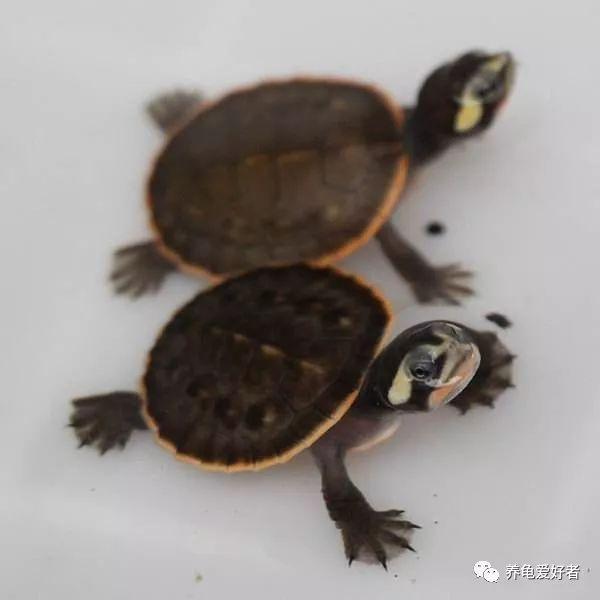
Round Australian musk turtles are also raised in many domestic breeding bases, and there are attempts to hibernate outdoors for turtles, mostly can adapt well. Of course, this also includes turtles that have been raised for many years, and generally will not choose seedlings to try. We usually raise them for security, so it's better to add heat.
Overall, Round Australian musk turtles are medium-sized pet turtles, and their appearance is subjective. Although they are cute when they're young, many people think they're not good-looking when they grow up, but think about it, how many animals are cute when they're young and old, right? They are lively and love to bask in the sun. However, it is generally said that many turtle enthusiasts say: 'my Round Australian musk turtle doesn't like to bask in the sun', which is due to the individuality of individual turtles, they are living beings, and can't be required to be the same.
This wiggling 'gooseneck', are you still interested?