Wild Asian Elephants: Why Have They Declined So Significantly?
Currently, the largest land animal in the world is the elephant, which is divided into African elephants and Asian elephants, once widely distributed across Eurasia. However, with human activities, the range of elephants has rapidly shrunk, and currently, they are only found in Africa south of the Sahara Desert and southern Asia, with the population currently falling below 500,000.
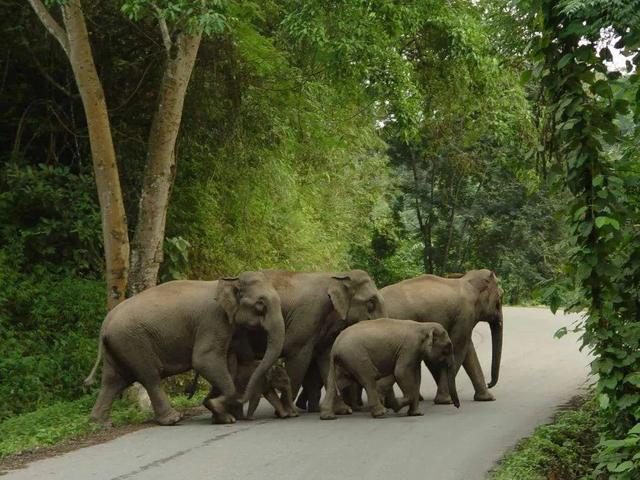
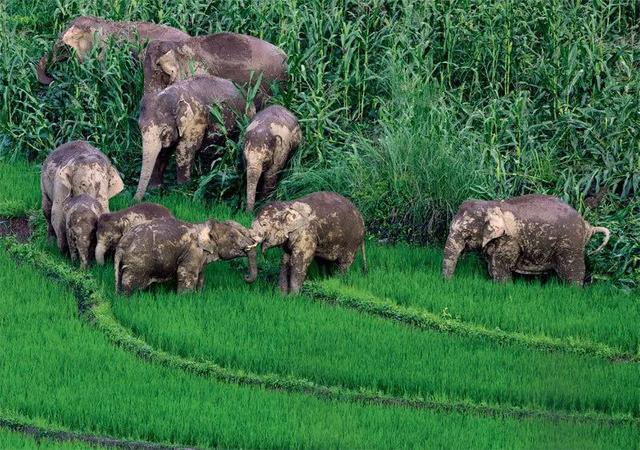
Wild Asian Elephants in Yunnan
And our China is no exception. With the massive southward migration of the population, the original ecological environment has been completely destroyed. Today, only a small number of elephants are distributed in southern Yunnan, and the number has fallen below 500, more importantly, due to the continuous shrinking of habitats, human-elephant conflicts have become increasingly severe. From 1991 to 2004, the direct economic losses caused by the wild Asian elephants in Xishuangbanna amounted to 149,630.
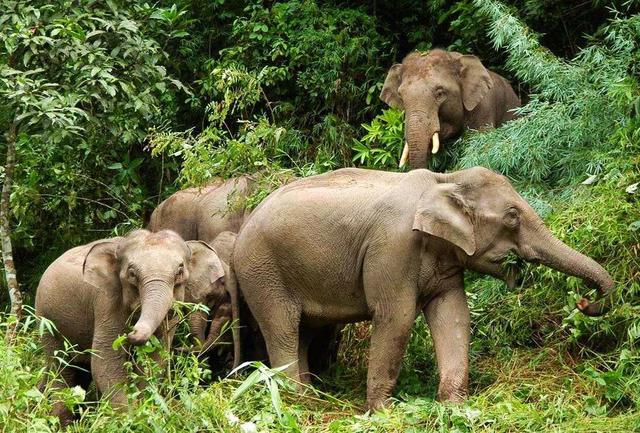
Wild Asian Elephants in Yunnan
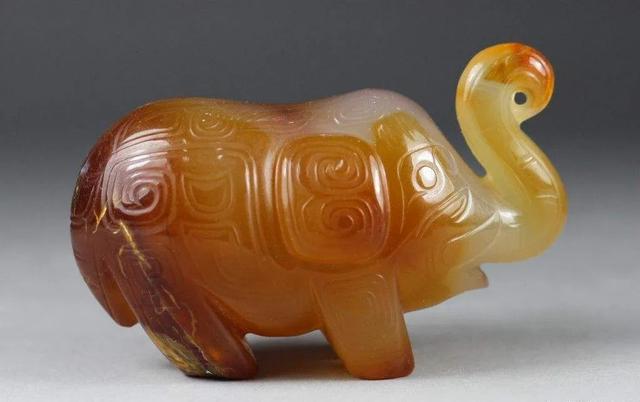
However, if we open the historical records, three to four thousand years ago, elephants were once widespread across the Chinese land. From Hebei Yangyuan area north of the Yellow River to the south of Lingnan area, from the west of Bashu to near Myanmar’s Yunnan region, the traces of elephants can be found everywhere. This situation is probably difficult for people today to imagine. In addition, the archaeological excavations of Yin Xu in Henan in the 1920s and 1930s also unearthed a large number of ivory and bones, further confirming the historical records, and also indicating that wild Asian elephants were active in the Yellow River mid-stream region.
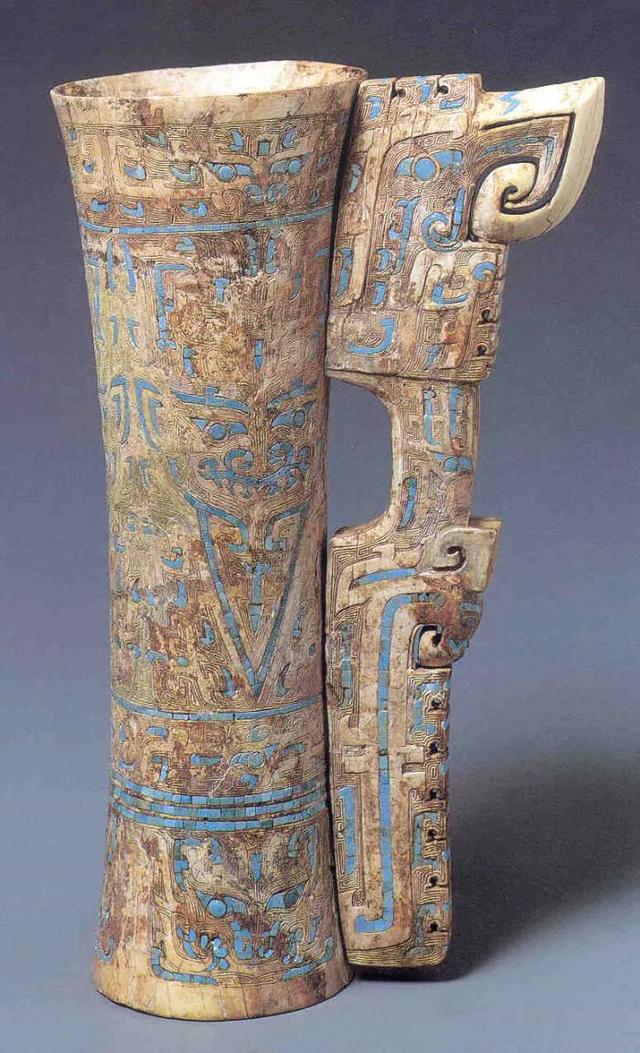
Yin Xu Ivory Cup
Later, with the change of weather in the north, the temperature dropped, and vegetation disappeared, especially the reduction of water bodies, which is unacceptable and unsustainable for elephants that need warm temperatures and like water. Elephants could only choose warmer southern areas as their home. The development of the Central Plains region also made it impossible for elephants to survive, so they had to choose to go south. However, it wasn’t until the 19th century that there were still a large number of wild elephants in Lingnan area.
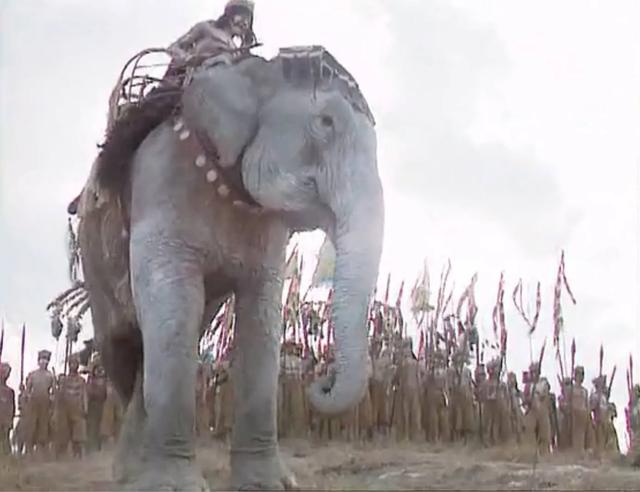
War Elephants in the TV series ‘Three Kingdoms’
Frequent tributes and wars also affected the survival of elephants in Yunnan. In addition, environmental destruction led to the continuous reduction of Yunnan’s wild elephant population. By the 1970s, the wild elephants had retreated to the border regions and are still decreasing until today.
Human-Elephant Conflict in Yunnan
Limited habitats and increasingly intense human-elephant conflicts will inevitably affect the future trajectory of wild Asian elephants in China. But no matter what, we still hope they can continue to survive. Protecting elephants is the responsibility of everyone!!!