China's Largest Inland Freshwater Lake Houses 198 Bird Species, with Thousands of Individuals, Protecting Wild Birds Safeguards Green Water and Green Mountains
The bird species in the Bohus area are 198, and the 3-4 months of each year is the migration season of a large number of birds. This year, the number of birds in Bohus water area has reached thousands of individuals.
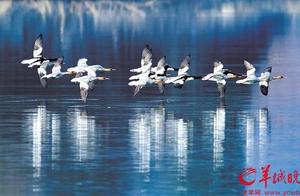
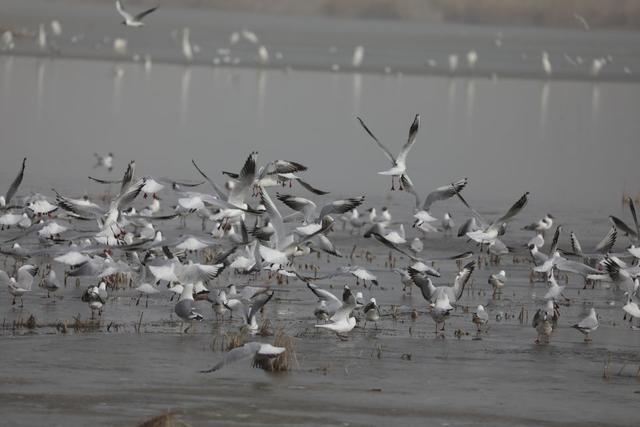
On March 13th, reporters saw by the lakeside of Bohus that thousands of wild waterfowl or soared and whistled, or played and hunted for food, a magnificent picture of thousands of birds gathered on the surface of Bohus.
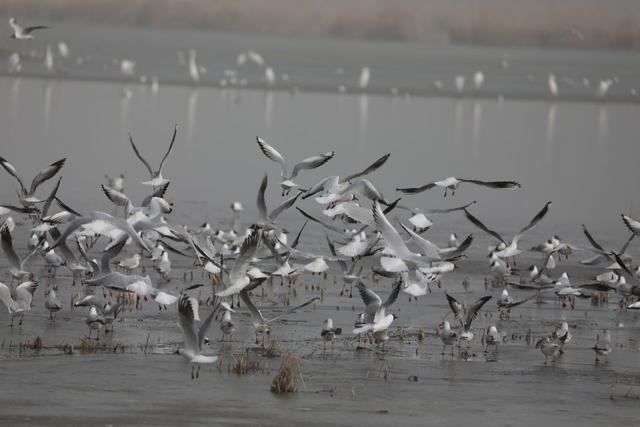
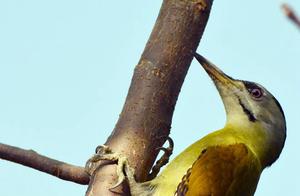
According to Liu Xingchun, director of the Bohus National Wetland Park Management Station, 'Bohus is China's largest inland freshwater lake, with a water area of 1646 square kilometers, and is one of China's important habitats for wild birds. At the same time, it is also a major transit station for migratory birds. The bird species in the Bohus area are 198, including golden eagles, white-winged eagles, black storks, which are national first-class protected animals, and great cormorants, hunters, common falcons, vultures, and other second-class protected animals. Through the implementation of wetland protection and restoration projects, artificial reed cultivation and land reclamation, and other protection measures, the ecological environment of Bohus is constantly improving. The number of red-crested pochard, khaki sheldgoose, gray goose, white egret, red-eyed dove, autumn sandpiper, and great cormorant has increased significantly compared to previous years. During the peak season of bird migration in March and April, the total number of birds can reach thousands of individuals.
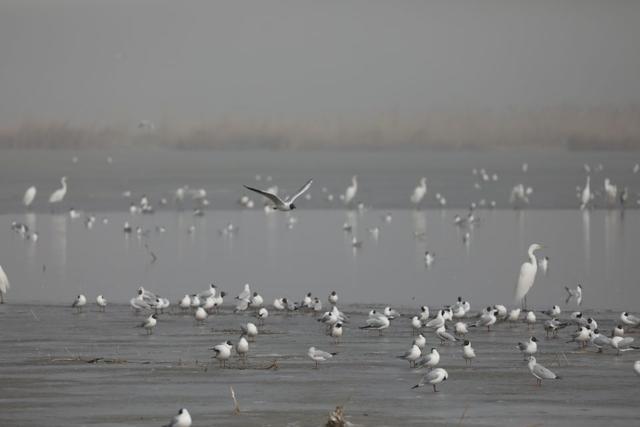
Bohus is China's largest inland freshwater lake, with a water area of 1646 square kilometers, and is one of China's important habitats for wild birds. At the same time, it is also a major transit station for migratory birds. To this end, local authorities have specially set up six bird monitoring stations around Bohus to regularly monitor the activities of birds, providing 'escort' for wild birds.
Zhang Zhaoguang, director of the Bohus Forest and Grassland Bureau, said: 'In the future, we will strengthen the construction of personnel teams responsible for protecting wild animals, strengthen patrol work for wild animals. At the same time, we will increase the crackdown on hunting and sales of edible wild animals, let the sky of Bohus be bluer and the water clearer.'
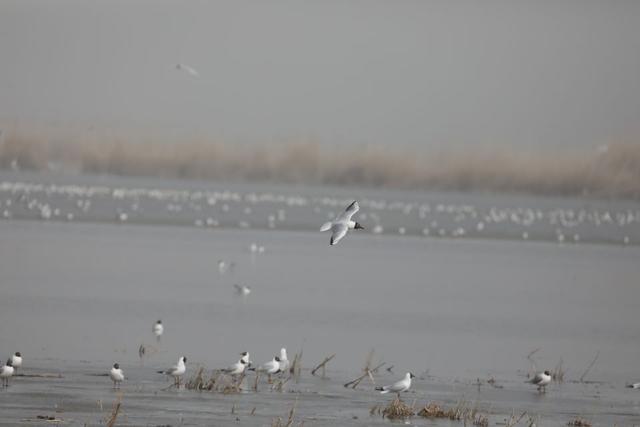
Jin Hua, a villager from Cai Kan Nor Township, Bohus, particularly likes to watch waterbirds, said: 'Every spring, all kinds of birds fly here, and the species are very diverse. We don't hunt it, we don't drive it away, and we don't let others capture it. Seeing so many birds, we are also very happy. This shows that my hometown is beautiful, even the birds like it.'
(Zhou Haixia, Guo Yusun (Photography: Dari)) (China Daily Xinjiang Reporter Station)
Source: China Daily Net