The Origin of ‘Hit a Snake at the Seventh Inch’ – Why Have We Misunderstood It?
Snake is often said: 'Once bitten by a snake, you will be afraid of wells for ten years.' Snakes are truly frightening creatures, and most people have a deep fear of them. Even the thought of grabbing or touching one is terrifying. Many snakes also possess potent venom, so ordinary people instinctively avoid snakes to prevent ‘close contact.’
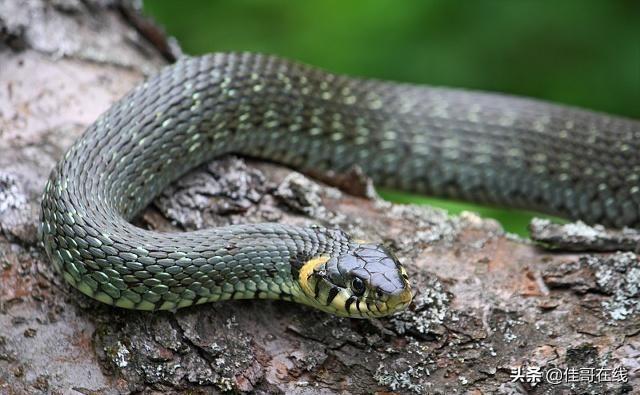
Furthermore, snakes are remarkably agile, and their heads move with their bodies. If you encounter a snake and it attacks, even if you’re holding a stick, a missed strike can easily lead to the snake ‘counterattacking,’ resulting in a bite.
Therefore, the saying “hit a snake at the seventh inch” originated. What is special about the snake’s seventh inch?
First, let’s understand a concept: the seventh inch is approximately 23 cm long. ‘Seventh inch’ doesn’t refer to a precise length, but rather the area between the snake’s head and its belly. Compared to humans, it’s the area below the neck.

Snake species number in the thousands, and their size and length vary greatly. The largest pythons can exceed 10 meters, while the shortest may be less than 10 cm. Therefore, the ‘seventh inch’ position differs for different species and lengths of snakes, as some small snakes simply don’t have that much length.
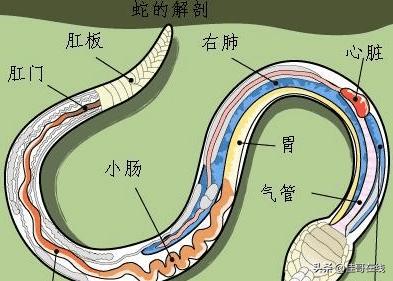
In reality, most people misunderstand this. Simply put, the seventh inch is the area where the snake’s heart is located, which is the snake’s vital point. For any creature, the heart is the most important organ, and disrupting it is crucial. If you strike this area forcefully, it can easily cause a significant impact on the snake’s heart and other vital organs, impairing blood supply and potentially causing the heart to rupture. Snakes will then lose their ability to move.
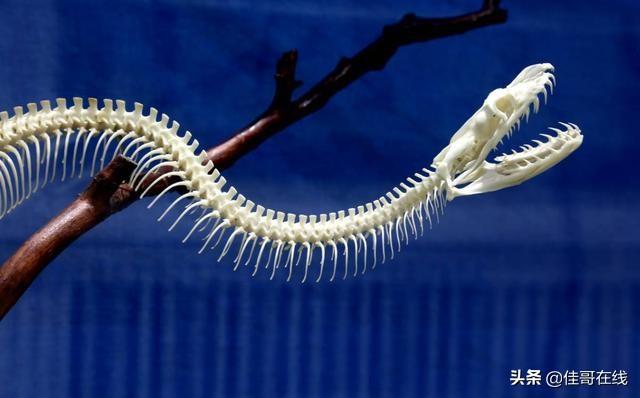
Therefore, it’s obviously not easy to hit a snake’s seventh inch in real life. When snakes move quickly, it’s difficult to accurately aim for their lethal points. Without hitting the vital area accurately, it actually puts you in danger.
Since striking the head has a low success rate, in the limited reaction time, you need to target other more vulnerable parts of the snake. The ‘seventh inch’ is the first choice.
There’s another saying about hitting a snake at the seventh inch: When encountering aggressive snakes in the wild, it is often venomous snakes or large pythons. Small snakes like grass snakes have long since fled. Especially the cobra, when attacking people, they will raise their upper body, at this time the best place to strike is below the raised position, i.e., below the neck. If you aim for the head, you are likely to lose, because the target is too small, so they are finally hit on the snake’s neck, and finally escape with their mouths open.
It is this that spread the saying “hit a snake at the seventh inch.” Later, people also used “hit a snake at the seventh inch” to metaphorize “grasp the key point when doing things”.
Additionally, if you are bitten by a snake, it is important to know what kind of snake it is, and ideally, to kill the snake and take it to the hospital for accurate treatment.
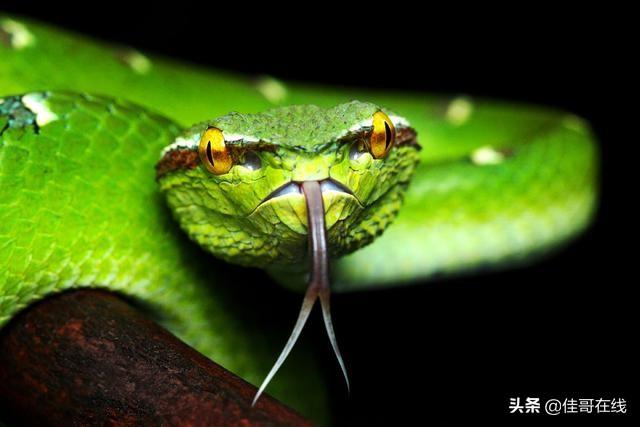
Of course, the best choice is to avoid attracting snakes.