Scientists Discover Four Shark Species That Walk with Their Flippers, Average Length Not Exceeding 1 Meter
When it comes to sharks, many people will immediately think of the terrifying image in the movie 'Jaws'. However, scientists recently discovered four new shark species, which not only will not pose a threat to humans but also give people a cute feeling because of their unique walking style.In the tropical waters between Indonesia and Australia, an research group discovered four new shark species in the Indonesia-Australia islands. These sharks walk on the seabed with their fins, and this walking style is rare in shark groups.
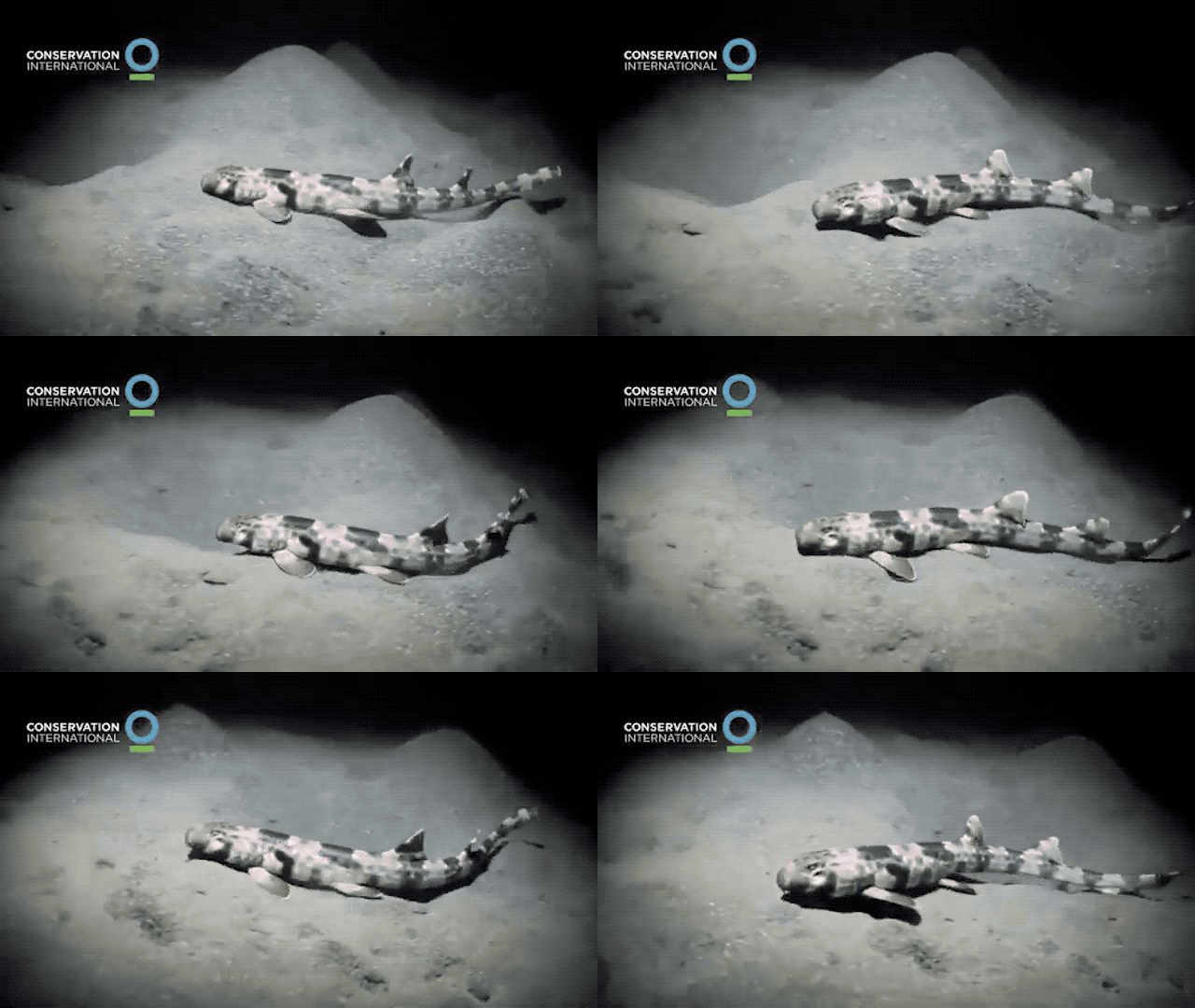
Australian Queensland University's Christine Dudgeon Dr. said: ‘These new sharks have an average body length of less than 1 meter (3.2 feet), will not pose a threat to humans. But they can withstand low-oxygen environments and have the ability to walk with their fins, which gives them a significant advantage in hunting small crustaceans and mollusks.’

Although humans have previously discovered walking sharks, the scientific team’s discovery of these four shark species shows that the number of shark species that can walk has reached 9. Through DNA analysis, the research team believes that sharks separated from their siblings a long time ago and became a new species.
Dudgeon said: ‘The data shows that the new species evolved after the sharks left their original population, they were genetically isolated in the new area and developed into a new species. They may move by swimming or walking with their fins, but it is also possible that two million years ago, they hitchhiked across the top of the New Guinea coral reefs westward. We believe that there are more walking shark species waiting to be discovered.’
This research was published in the journal 'Aquatic and Freshwater Research', and you can also see the sharks’ activities in the video below.