National Level Protected Animal List 31 – Reeves's Sika Deer
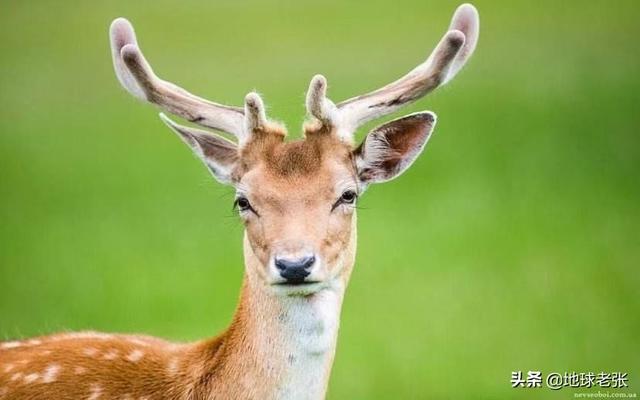
Cervus nippon, also known as the Japanese Sika deer, is a medium-sized deer with a body length of 125 to 145 cm, a tail length of 12 to 13 cm, and a shoulder height of 70 to 95 cm. Its weight ranges from 70 to 100 kg. In summer, its coat is chestnut-red with many white markings resembling a plum blossom; in winter, it turns to a smoky brown, with the white markings less prominent. It has (hierou - mane) on its neck. Male deer have antlers that can grow up to 30 to 66 cm long.
Sika deer are not highly gregarious, with males often living alone. They are most active in the early morning and late evening, and their habitat changes with the seasons: in spring, they are found in shaded slopes, in autumn and winter they move to the edges of shaded forests, and in winter, they prefer sunny slopes. They mainly feed on grass, fruits, herbs, tree buds, and crops. The species is mainly distributed in eastern Russia, Japan, and China. It is a national level protected animal in China and is listed as Low Risk (LC) in the IUCN 2015 Red List version 3.1.
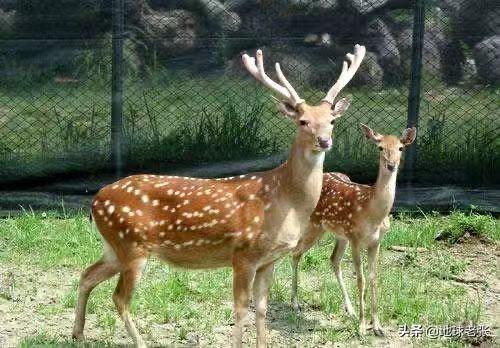
Historically, excessive hunting and capture have led to extremely low wild populations, and now artificial breeding populations have reached tens of thousands. The Sika deer is a native species of Eastern Asia and is found in eastern Russia, Japan, and Korea. It was once widespread throughout China, but now it is only found in a limited number of areas, including Jilin, Anhui south, Northwest Zhejiang, Sichuan, Guangxi, and Taiwan, where a endemic subspecies exists.