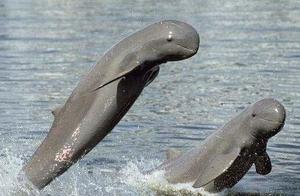
Newly Born Blue Whale 'Charges' into 1,000 Square Meter Broadcasting Studio...
Let's delve into the fascinating world of whales, the largest marine mammals, and explore how they reproduce and live their lives in the water.
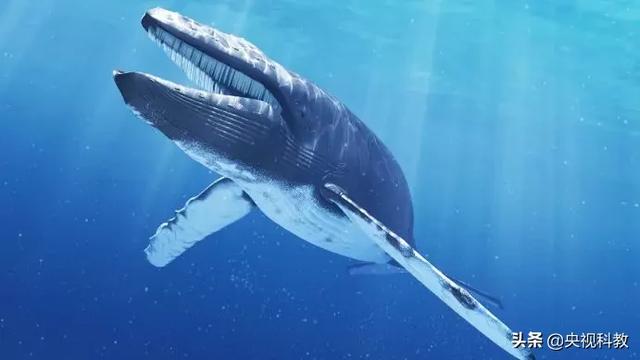
First, let's introduce the ‘giants’ of the whale family – the blue whale. An adult blue whale can reach a length of 30 meters and weigh over 150 tons, which is equivalent to a Boeing 747 aircraft. Its heart is as big as a small car, and 50 people can stand on its tongue. When it surfaces to breathe, the water column it expels is at least 9 meters high.
This episode’s animal expert, Valley Gu, will take you on a ‘wonderful journey’ through a blue whale’s intestines.

Huge body, huge appetite! So, how big are newborn blue whales? Newborn blue whales are true ‘giant babies’, measuring 7 meters long and weighing 2.5 tons at birth – equivalent to an adult African elephant!
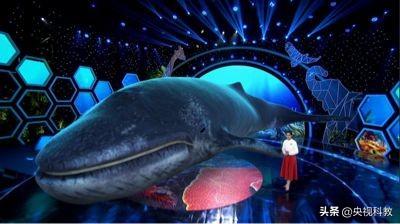
With such a huge body, a newborn blue whale’s appetite is astonishing; it can consume 400 liters of whale milk in one meal! Compared to a human infant of one year old who eats 180ml, it’s 2200 times more!
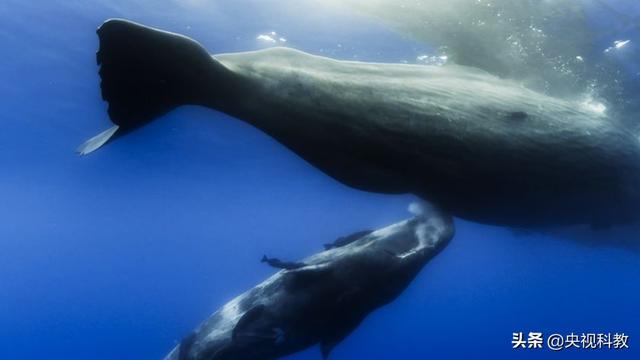
A blue whale mother is breastfeeding her baby whale.
Adult blue whales no longer rely on mother’s milk to gain weight, but must eat to sustain themselves. How much food can a blue whale eat in one meal? What do they like to eat, and how do they eat?
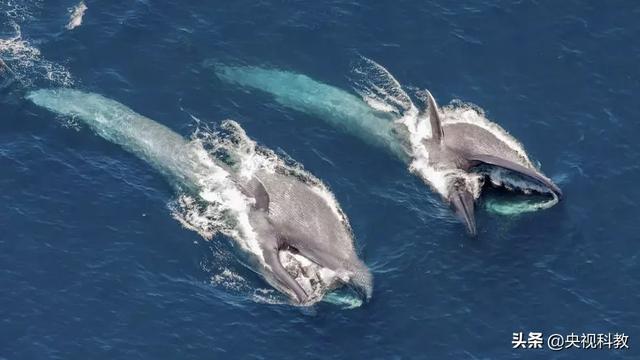
The blue whale opens its large mouth and swims slowly, swallowing large amounts of seawater, which contains large amounts of marine plankton and crustaceans as its main seafood.
When the seawater enters their mouths, they partially close their mouths to filter out the seawater with their baleen, then use their tongues to push the filtered seawater upwards into their mouths, squeezing out the mouths, and the plankton and seafood will remain in their mouths. The blue whale can swallow 96 tons of seawater in one go!!!
Finally, a quiz: What is the closest animal to the whale in terms of kinship? Haha, whales are closely related to hippos, cattle, and sheep, belonging to the odd-toed ungulate order. Isn’t it a surprise?
Are the whales’ senses similar to humans’?
Let’s reveal a little secret: whales can hear the sounds of storms thousands of kilometers away – like shouting in Beijing, and people in Sanya can hear it!
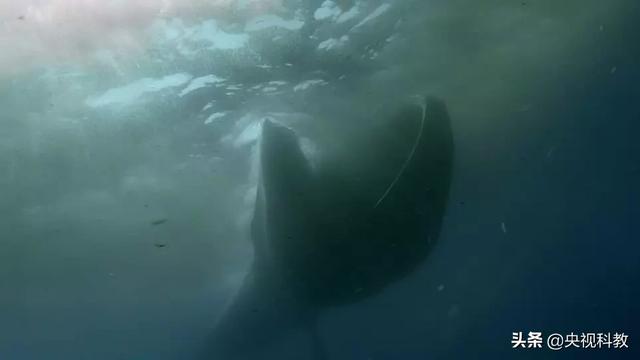
Let’s test your knowledge again: Does the existence of these massive whales pose a threat to marine life? Although most whales feed on fish, scientists have discovered that as the number of whales increases, the number of fish will also increase!
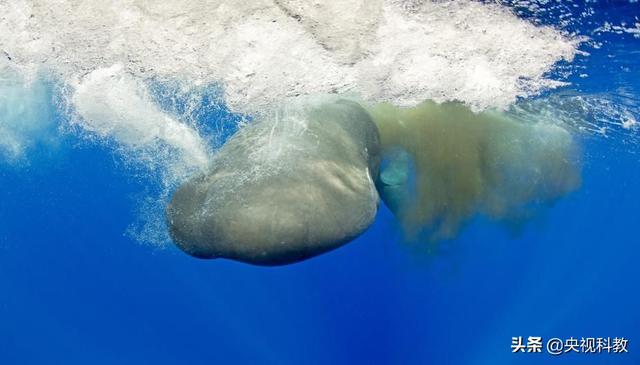
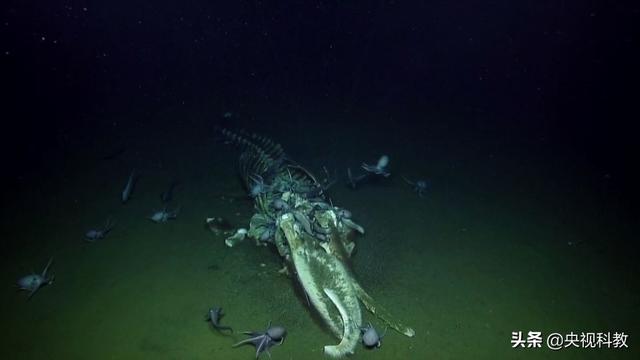
Even after death, whales make a huge contribution to the ocean. The energy in the whale’s body comes from the sun, but when it sinks to the seabed, this energy becomes a gift to the deep-sea dark life, and even if it falls to the seabed, its bones can nourish this entire ecosystem for decades or even hundreds of years, until the last bit of energy it brought from the sea surface is exhausted – this process is called ‘whale fall’, and everything comes to life!
‘Whale Fall’, everything comes to life.
Health tips: Please wear a mask, wash your hands frequently, ventilate frequently, and avoid crowded places. Stay safe and have a happy New Year!
Science Zoo
_
Ocean ‘Whale Spirit’
Broadcast time: February 8 20:10
Producer / Yan Dong Editor / Liu Ming Yellow Li Jun Editor / Tian Chu Yun Zhang Yi Jie Ren Wei (Intern)

/ /
/