First-Ever In Vitro Fertilized Cheetah Cub Born, Scientists Have Studied for 15 Years, Can Save Endangered Species
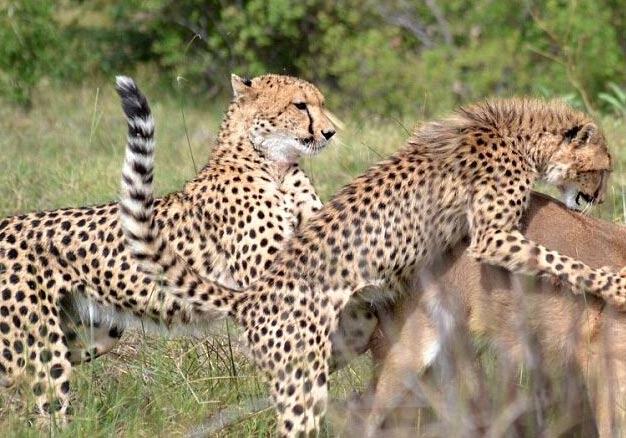
According to CNN on February 24, a pair of cheetah cubs were born on February 19 at the Columbus Zoo in Ohio, with scientists calling it a ‘major scientific breakthrough’.
Smithsonian National Zoological Park reported that the cubs’ mother is a 6.5-year-old cheetah named Kibibi, and the surrogate mother is a 3-year-old cheetah named Izzy.
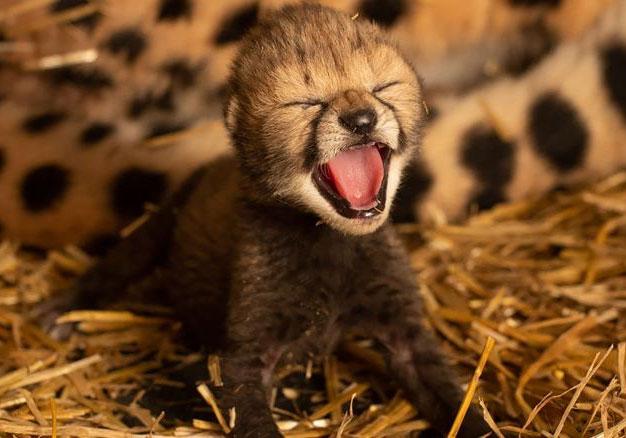
Scientists from the Smithsonian Conservation Biology Institute and the Columbus Zoo collected sperm from a male cheetah living at the Texas Wildlife Sanctuary, froze it, and then combined it with eggs from Kibibi. The fertilized embryo was then transferred to Izzy’s womb, and after three months of pregnancy, the two adorable cubs were born.
Although scientists have studied cheetah IVF and embryo transfer techniques for fifteen years, only three attempts have been made, and this is the first time cubs have successfully been born.
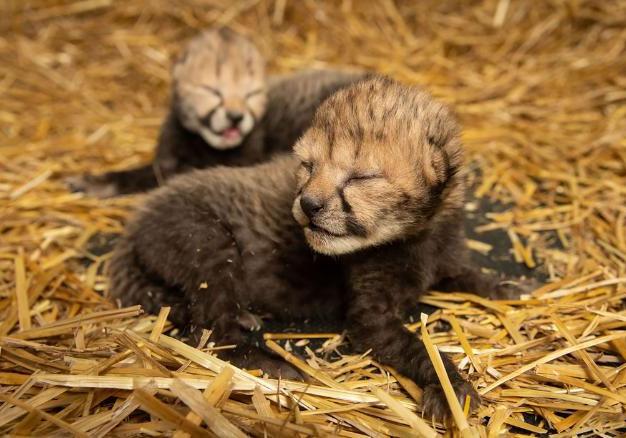
This success is significant because, according to National Zoo resources, cheetahs have been extinct in at least 13 countries and regions over the past 50 years, and now there are approximately 7,500 cheetahs left in the wild due to habitat destruction, hunting, conflicts with humans, and illegal pet trading.
‘This is a major scientific breakthrough, it gives us more flexibility under limited genetic material to extend the cheetah’s biological clock,’ said Adrienne Crosier, cheetah biologist at the Smithsonian Conservation Biology Institute.
Biologist Pierre Comizzoli also said that the success of the IVF cubs is not just about restoring the cheetah population, but also offers hope for saving all endangered species. He said in a statement: ‘We will continue to deepen our understanding of fertility and develop new tools for other species. This is one way we make progress in studying rare and endangered species – a breakthrough for one species will open doors for another.’
“”