Insect Emotions Are No Less Remarkable Than Human Emotions; They Also Have Diverse Courtship Methods
Faber's ‘Insectopedia’ has captivated countless readers and earned him world-wide acclaim, but its accounts and theories concerning insect love and sexuality are not entirely accurate, and, if viewed through the lens of insect romances, there’s a wealth of untold stories waiting to be discovered. It turns out that the romantic lives of insects are no less complex than those of humans.
For love and death, red phoenix rising out of the wall.
Small insects can also be as passionate as humans, either sacrificing themselves for love or, like the red phoenix rising out of the wall.
Faber wrote in ‘Insectopedia’, ‘Male mantises offer their bodies as food to female mantises when mating, to provide nourishment for female mantises to produce more eggs’, and ‘Male mantises approach female mantises when mating; if the female mantises discover them, they will glare at the male mantises, as if a needle had pierced their acupunctural points, rendering them helpless.’ However, these descriptions are seen as untrue by some entomologists, at least Taiwanese entomologist Mr. Zhu Yao-yi.
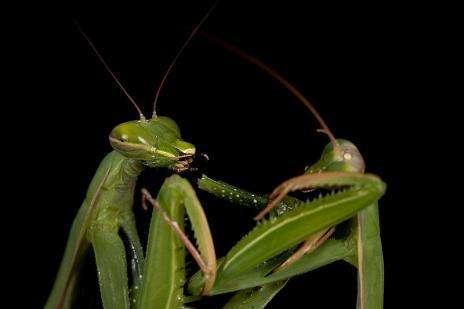
Mr. Zhu’s observations and research on praying mantises with female-eating praying mantises and spiders have led to other conclusions. Firstly, mantises are not as Faber described, most male mantises (2/3) will quickly leave female mantises after mating, only those unlucky ones who couldn’t escape will be eaten by female mantises. The reason is that praying mantises’ predatory instinct is self-cannibalism, and female mantises were very hungry at that time.
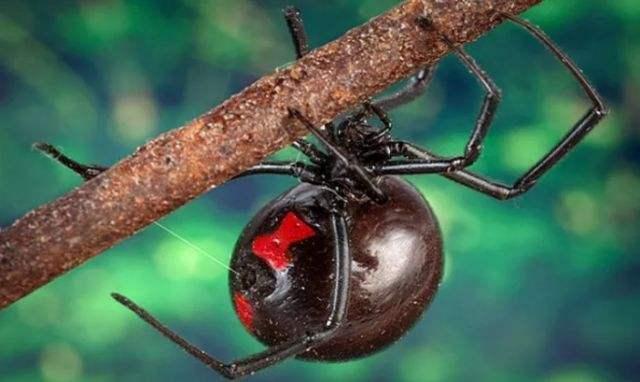
Similarly, research on similar cannibalistic praying spiders has confirmed similar conclusions. The female spider’s weight increased after eating the male spider, exceeding the weight of other female spiders that ate the same amount of food, indicating that male spiders are extremely nutritious for female spiders, which is beneficial for the development of offspring. Therefore, the famous black widow spider will deliberately flip its body to the female spider’s mouth when mating to allow the female spider to feed on it.
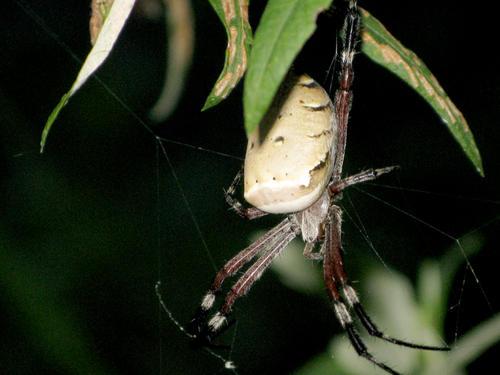
Of course, there are other speculations about male spiders sacrificing themselves for love. Male spiders sacrificing themselves to female spiders is to prevent female spiders from seeking other male spiders for a second mating, to ensure that their genes are passed on to offspring. This situation has been verified in some spiders. For example, some male spiders will put a special substance into the female spider’s reproductive tract to prevent other male spiders from mating with the female spider.
In addition to sacrificing themselves for love, ‘red phoenix rising out of the wall’ is also very common in insects, such as the most obvious in the White Admiral butterflies.
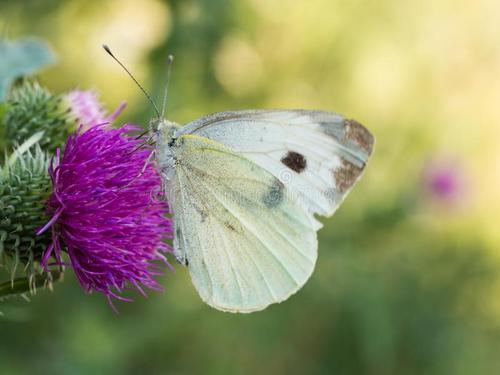
Initially, White Admiral butterflies were faithful and refused to be seduced by male admiral butterflies immediately after completing mating. If you see a large-winged, abdomen-raised female admiral butterfly in the field or forest, it indicates that it is ‘married’. Because the female admiral butterfly, when in this posture, the male admiral butterfly cannot insert its copulatory organ into the female admiral butterfly. If the male admiral butterfly doesn’t give up, the female admiral butterfly will suddenly take off, through rapid flight or continuous ascending and descending, forcing the male admiral butterfly to give up. However, not all female admiral butterflies do this, and some female admiral butterflies are unable to resist the temptation of male admiral butterflies.
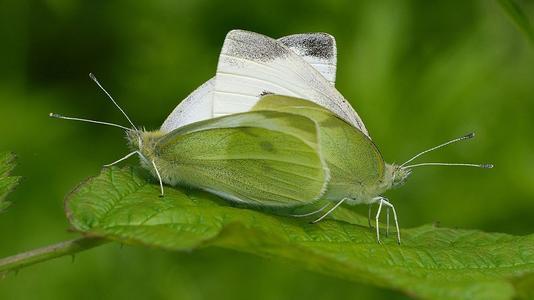
Just by seeing one fact, it is clear. Male admiral butterflies will deliver a package to female admiral butterflies when mating, and one ejaculation only delivers one package. However, if you dissect the bodies of most White Admiral butterfly female butterflies, you will find that 2-4 packages of semen are common. This means that the female admiral butterfly is not faithful to love. Why do they ‘red phoenix rise out of the wall’?
For this situation, biologists have multiple explanations. For example, to promote genetic diversity, or because the sperm delivered by the male admiral butterfly to the female admiral butterfly is insufficient, unable to nurture offspring. However, these reasons are also difficult to verify. Now, researchers provide a more scientific explanation for people.
Researchers used radiolabeled amino acids to feed male admiral butterflies to test the male admiral butterflies that mated with female admiral butterflies. The result showed that there were a large number of immature eggs in the female admiral butterfly’s ovary that had not been fertilized and were not mature. This indicates that the female admiral butterfly was not for conception, but to obtain nutrition from sperm. The female admiral butterfly obtained a large amount of sperm from the male admiral butterfly during mating and transmitted it to the ovary for the egg to develop. This is the real reason for the female admiral butterfly’s ‘red phoenix rising out of the wall’ behavior. Perhaps this ‘red phoenix rising out of the wall’ behavior is forgivable.
Various courtship methods
In the environment of survival of the fittest, in order to survive and let their species continue to thrive, insects, these small creatures may have equally romantic love affairs as humans, and even surpass humans.
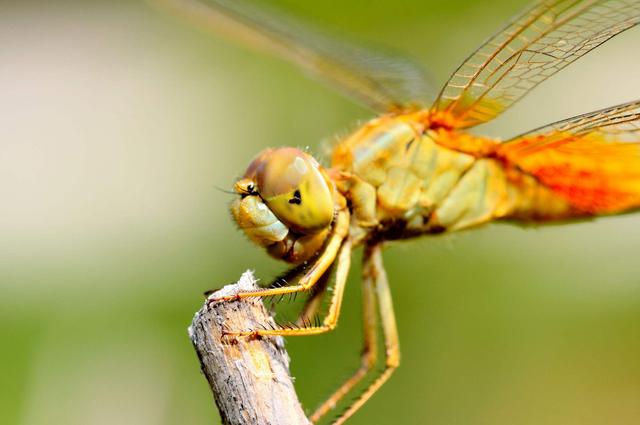
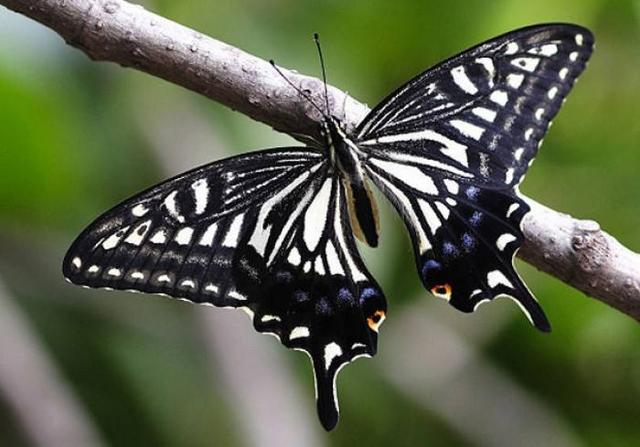
Insects have no language, so they cannot use sweet words like humans to woo, but they have their own methods. Dragonflies use territory occupancy and flying to woo, while swallowtail butterflies use ‘color’ to pursue mates.
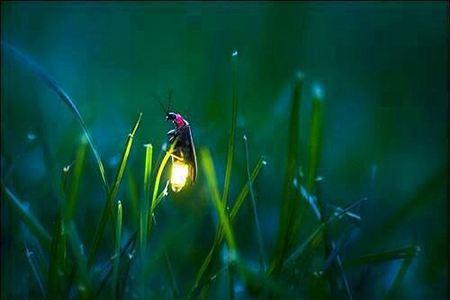
Fireflies are more romantic, using changes in their light signals to woo, while stick insects are more peculiar in their courtship.
Moreover, stick insects also used their tails to shake and lift their tails to beg for love, of course, they also used pheromones to attract mates.
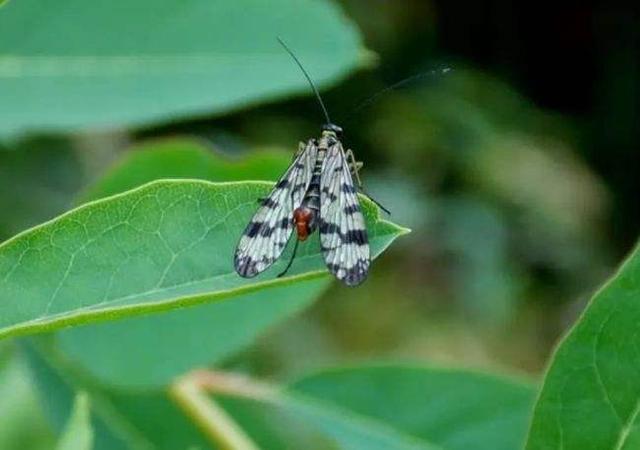
However, insects also use sound or singing to woo, such as crickets.
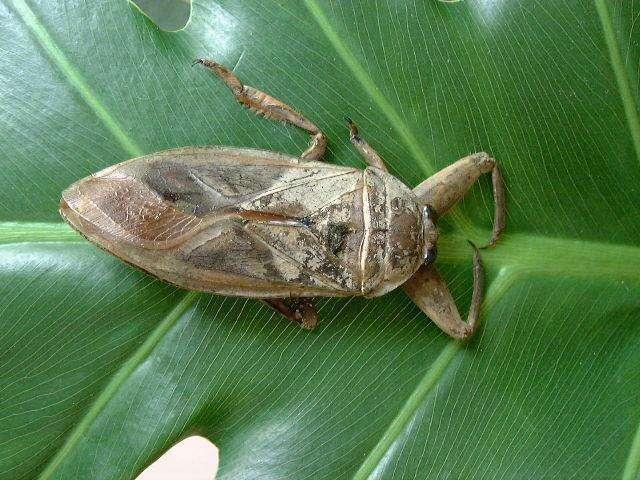
But a more peculiar insect among insects – the courtship of stone mantises is particularly distinctive. Stone mantises are a peculiar insect in entomological classification, like dragonflies, they live in the water as larvae, and as adults, they turn to live on land.
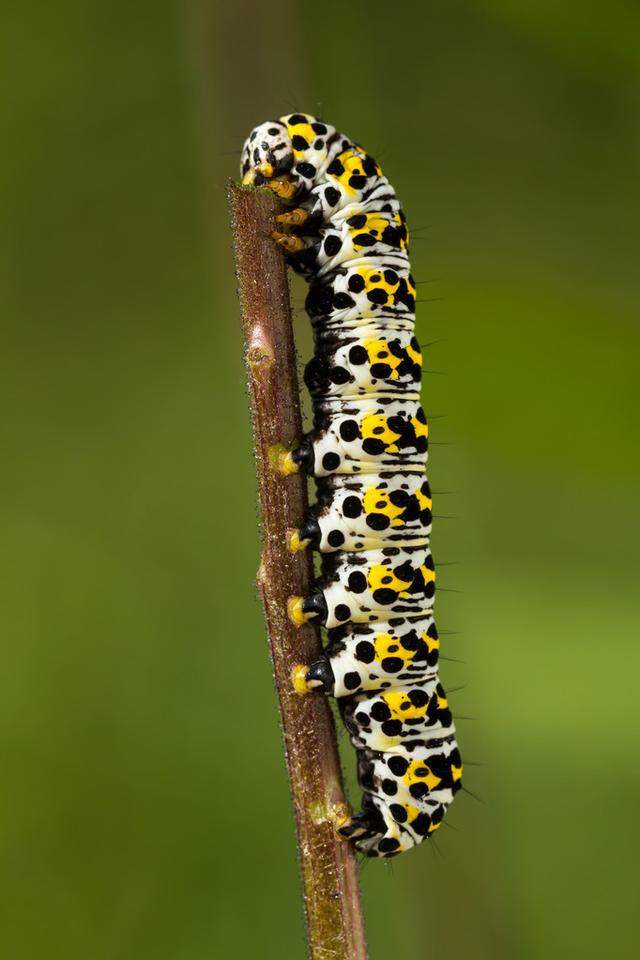
As early as in 1851, a British entomologist discovered that stone mantises use drums to woo. Their drums are the bulges on their abdomen, which they use to hit the leaves (grass leaves, tree leaves). At that time, scientists speculated that this was a courtship. However, due to the difficulty in studying stone mantises in the field, it is difficult to understand their courtship behavior.
In addition, there are other courtship methods, such as female mantises and male mantises taking care of their offspring. For example, male mantises and female mantises need to mate 10-20 times or more, and the female mantises can produce offspring of nearly 100 or 200 pieces, forming an egg block.
However, after the female mantis produces eggs, it will abandon its mate and leave, and the remaining male mantis will take care of the offspring alone. As a single father male mantis, he will not hide when the sun is too strong during the day, and he will stay to protect the egg block. If the male mantis’s body gets dry, he will immediately rush into the water to moisturize his body and then return to the egg block. This is because if the eggs are not moisturized, they cannot hatch, so the male mantis’s parenting role is extremely difficult.
!
“”“”
100lO
2910015000400001
10
“”
1O20100