How Long Can It Survive Without Eating, Drinking, or Defecating? Some Fish Can Survive for One Day, While Others Can Survive for Three to Five Years
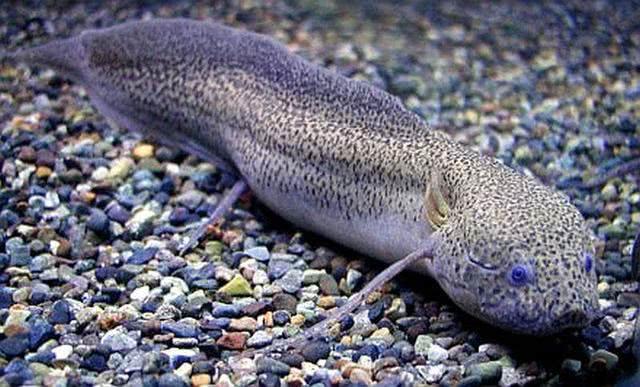
The people live on food, and as a small editor, I can't eat a meal. If I don't eat for a day, I'll fall down. However, African lungfish has a secret: it can survive for three to five years without eating or drinking.
African lungfish belongs to prehistoric animals and has survived on Earth for nearly 400 million years, so it is sometimes called a living fossil.
It has two treasures: one is a natural 'lung', and the other is the ability to hibernate.
A fish that can use its lungs
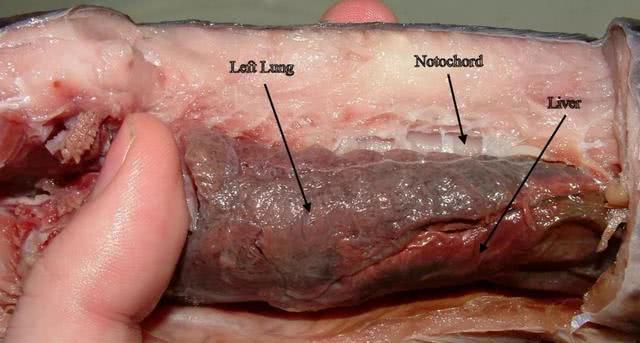
Like all fish, lungfish have gills to extract oxygen from water, in addition to this, lungfish also have a structure similar to terrestrial lungs.
The lungfish's swim bladder is well developed, containing large 'bubbles' and 'small bubbles' inside, which are similar to lungs in terms of function. Therefore, when the lungfish leaves the water, it breathes with its mouth and uses its lungs to metabolize oxygen.
Three to five years of hibernation without eating or drinking.
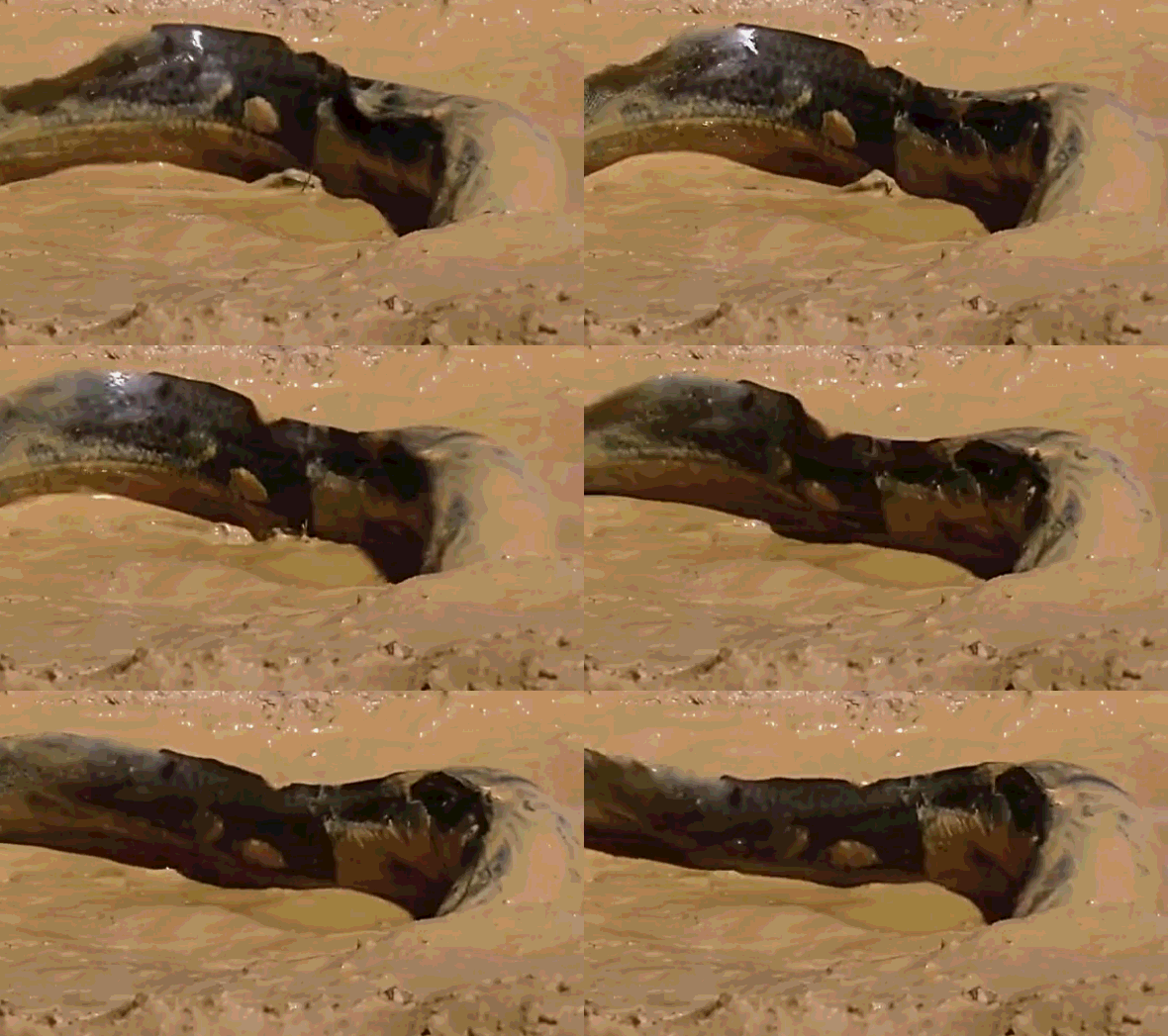
In summer, the weather is hot and rivers often dry up. In order to survive, lungfish will build a small mud cave in the mud to hide, and open a small mouth at the mouth to serve as a breathing hole. In this way, they quietly pass through the drought season. When the drought season lasts for half a year, it will rain, and they will crawl out of the mud cave again. This process is called summer hibernation.
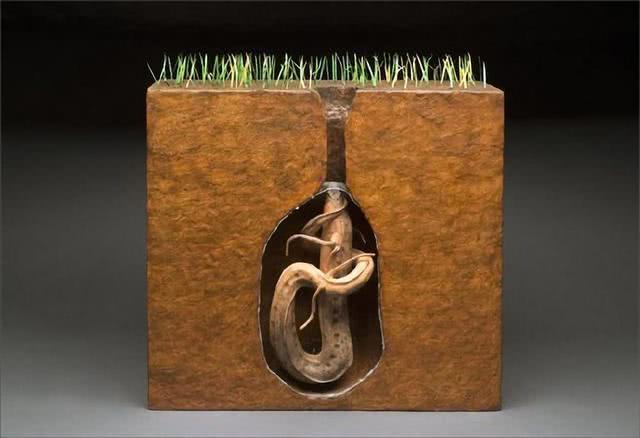
It is reported that lungfish can survive for three to five years in the 'false dead' state of summer hibernation. They don't eat, don't drink water, and don't excrete urine and feces, entering a hibernation state. As long as water comes, they can wake up.
Scientists believe that this is a cell-level hibernation, which is a lungfish's adaptation to poor environment.
'False death' has long attracted scientists, with applications in medicine and space travel.
If 'false death' becomes possible in humans one day, then surgeons will have more time to perform surgery on patients, and the dream of long-distance space travel can be realized.

Finally
In order to survive, the lungfish has made a lot of effort, but still cannot withstand our mouths.
In Africa, lungfish is a rare delicacy, and they take advantage of the lungfish's summer hibernation behavior, when they are still sleeping, they dig out fish from the mud like digging yams and then coat them in flour and fry them directly.