Why Don't Animals Drink Dirty Water? In fact, Wild Animals Are Not as Weak as You Imagine
More than 7.5 billion people live on Earth, and the human population is growing rapidly, making access to clean drinking water one of the greatest challenges facing modern society.
We should all easily obtain clean drinking water, but there are still many places in the world where a clean, hygienic glass of water can be a valuable asset.
Regarding water, ‘cleanliness’ is very important to humans, as water contaminated with bacteria or otherwise unsanitary water affects our health, and even our lives.
As we know, water can spread diseases, and most often, it's the deadliest diseases. At least several million people die each year due to water-related issues.
Therefore, when drinking water, one should take appropriate precautions, especially when outside, as you don't know if the water source is safe.
However, here is a fascinating question: since drinking unclean water is so bad, how do wild animals survive? Or, why are wild animals able to drink ‘dirty’ water and remain healthy?
If I, like you, enjoy watching the animal world, you must have seen this: African animals always drink from water sources that look very dirty.
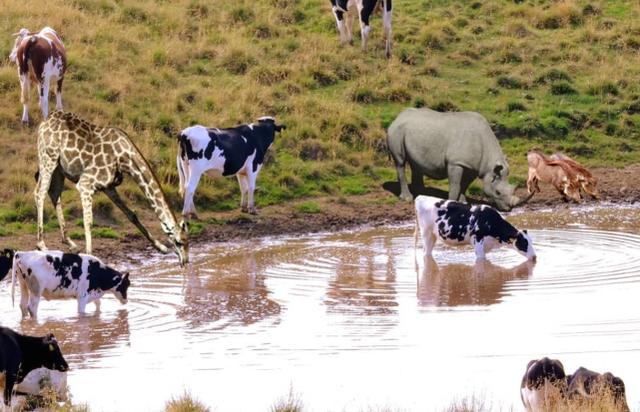
Wild animals have developed tolerance to ‘dirty’ water.
In forests, there are often few large bodies of water – in other words, only a few lakes, ponds, or other small water bodies can satisfy the drinking needs of nearby animals.
Many animals come from distant places, and to find water, they risk traveling to find it, so these animals have no reason to give up a water source and then walk to another one!
When they find a water source, they must drink it, or they may face greater risks!
Because of this, they always repeat drinking the same water source, or the bacterial characteristics of the water source haven’t changed significantly, so their bodies often develop resistance to this ‘dirty’ water.
We know that when organisms are constantly exposed to certain bacteria, their immune systems recognize these bacteria and become more effective at fighting them.
However, if a specific water source suddenly undergoes a serious change and carries a pathogen, it would certainly lead to a large number of animals drinking from it dying.
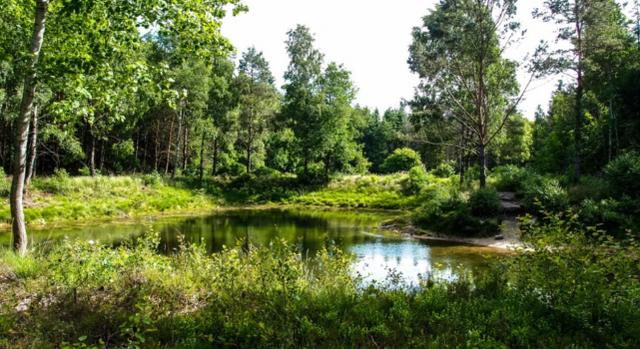
Wild water is not as dirty as you might imagine.
In the animal world, we see African water sources always appearing murky, full of sand – this gives us a false impression that all wild water sources are unclean. In fact, it's not so bad, because there may be some contamination (wild animals bathing in it, excrement, etc.), and it will certainly cause some trouble for the animals that drink it, but it’s not so bad, because there may not be so many harmful bacteria.
And most mammals have very developed senses of smell, which can greatly help them determine whether a water source is harmful to them.
It turns out that many diseases caused by bacteria in wild water are simple bacterial infections, which may just cause diarrhea for humans, not a real threat to life.
Evolution played a role.
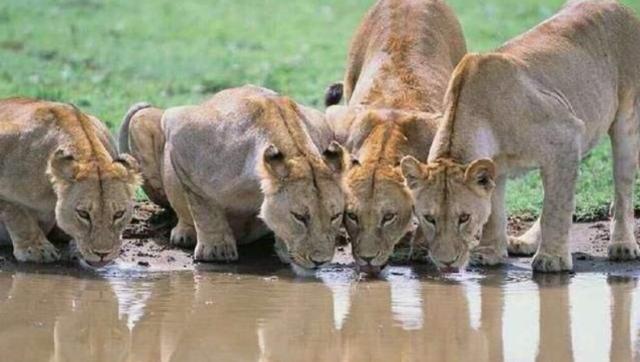
As mentioned above, wild water sources are scarce, and animals that survive from ‘dirty’ water have the opportunity to reproduce.
In reproduction, they pass on the ‘high tolerance for water source bacteria’ genes to their offspring, which is equivalent to vaccinating their offspring against the water source microbes.
In short, if water is scarce, animals’ ability to drink from the dirtiest water pits becomes an advantage.
Just that we haven't seen it.
After reading the points mentioned above, you might think that wild animals do very well digesting ‘dirty’ water, but this is not the case in reality.
In fact, wild animals can easily get sick and even die from drinking substandard water. We only see them drinking from dirty water and willingly believe that it does not matter.
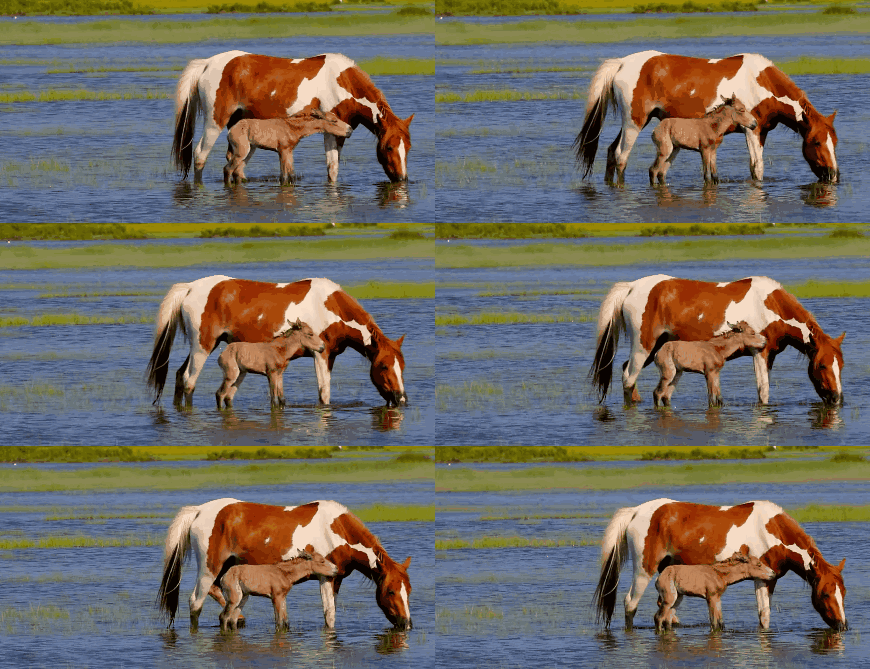
However, we don't see them hiding in a quiet place (such as under bushes or shrubs) to vomit, or dying from infections caused by drinking particularly dirty water.
Almost all animals will choose to hide when they are dying, until they recover or die, so we usually don't see animals that are sick from drinking dirty water.
Finally,